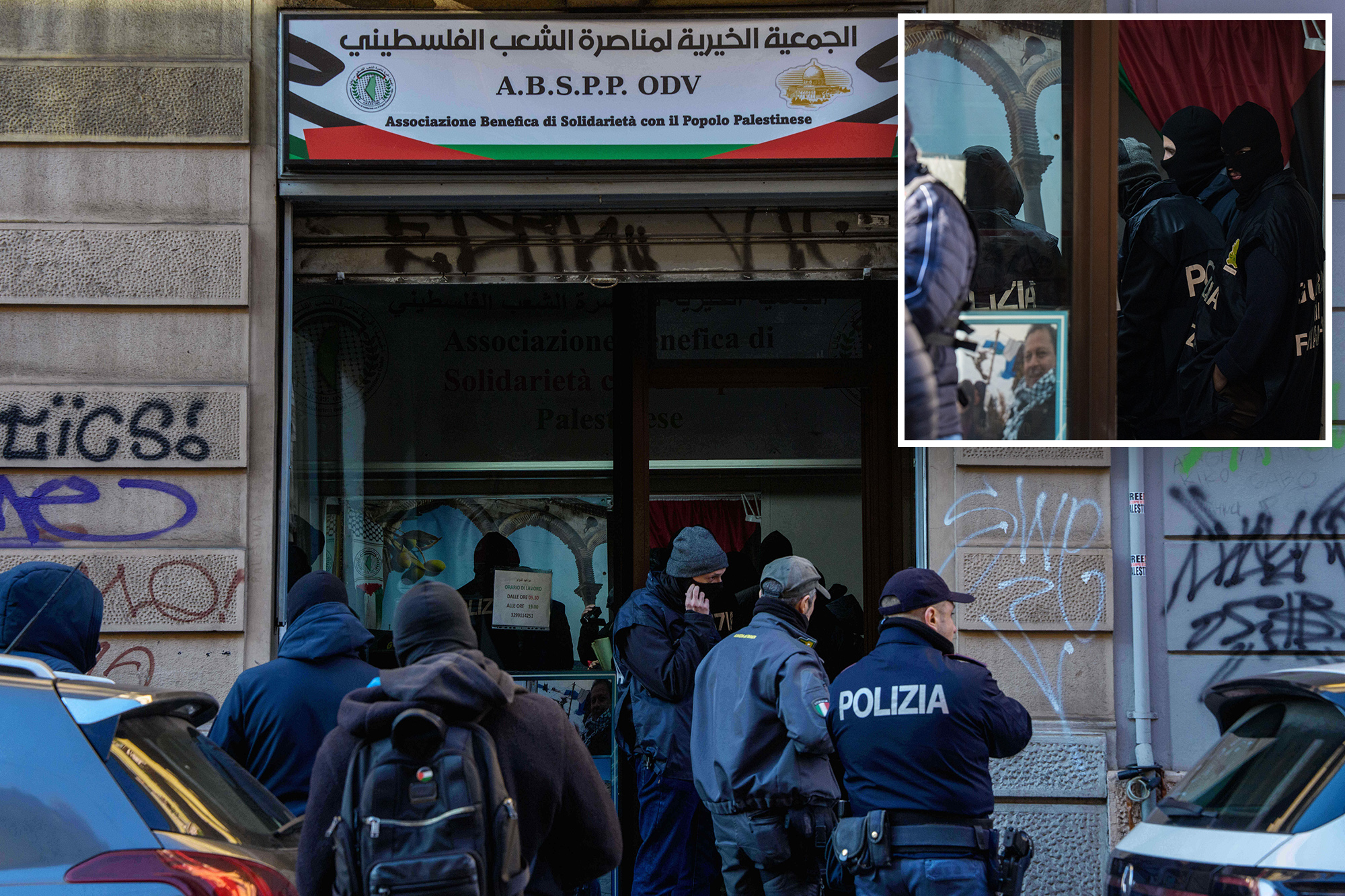
Italian authorities have arrested nine individuals suspected of covertly funnelling more than $8 million to organizations affiliated with Hamas. These arrests, made on Saturday, highlight a significant crackdown on alleged charity fraud that has reportedly supported activities of the designated terrorist group in the Middle East.
The suspects include members of three charitable organizations accused of financing Hamas through entities they controlled, based in Gaza and other Palestinian territories. Italy’s Minister of the Interior, Matteo Piantedosi, expressed satisfaction with the arrests, stating on social media, “the veil has been torn on behaviors and activities that, behind the screen of initiatives in favor of Palestinian populations, concealed support and participation in organizations with true and proper terrorist aims of an Islamist matrix.”
Investigation and Arrests
Among those arrested is Hannoun Mohammad Mahmoud Ahmad, the Imam of Genoa and president of the group Palestinians in Italy. Reports indicate he is believed to be the leader of the Italian cell responsible for coordinating funding efforts for Hamas. The main organization under scrutiny is the Beneficial Association of Solidarity with the Palestinian People, based in Genoa, which allegedly played a central role in the fraud scheme.
The investigation, which commenced several months ago, was conducted in coordination with law enforcement agencies in the Netherlands and Israel. According to reports from La Stampa, payments to Hamas-run organizations are believed to have started in October 2001, with a notable increase following the terror attack in Israel on October 7, 2023.
The ongoing efforts to dismantle these operations come in light of Hamas being classified as a terrorist organization by the European Union. This designation emphasizes the seriousness of the allegations and the implications of the arrests for both Italian and international security landscapes.
Global Implications
The arrests reflect a broader commitment by European nations to address and mitigate financial support for terrorism. As investigations continue, authorities will likely explore the networks and methods used to transfer funds. The Italian government has pledged to further scrutinize charitable organizations to prevent misuse of donations meant to aid humanitarian efforts.
The implications of this case extend beyond Italy, as it raises awareness of how charities can be exploited to fund extremist activities. As the international community grapples with the challenge of ensuring that aid reaches those in need without facilitating terrorism, these arrests may serve as a pivotal moment in the global fight against financing of terrorism.
This situation underscores the importance of vigilance and transparency within charitable sectors, particularly in conflict zones where the risk of diversion to extremist groups remains high.