Israeli military forces launched a series of airstrikes against Iranian military positions on September 30, 2023, in response to escalating tensions following the assassination of Ayatollah Ali Khamenei. This marked a significant escalation in hostilities between the two nations, with both sides exchanging aggressive actions that have heightened concerns across the region.
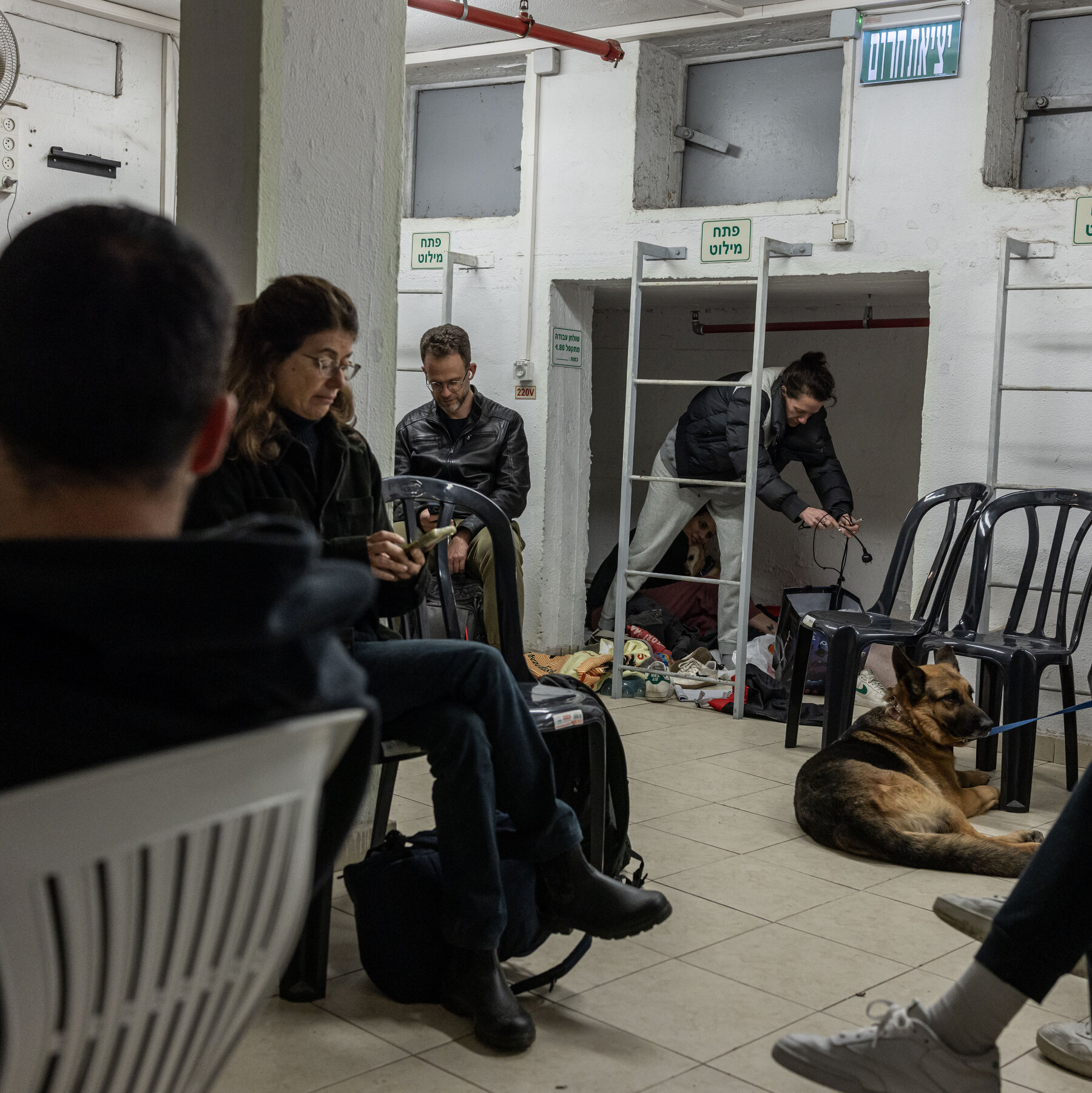
The Israeli Defense Forces (IDF) confirmed their military operations, stating they targeted sites involved in missile and drone attacks. These strikes come as air-raid sirens blared across Tel Aviv, signaling imminent threats from Iranian retaliation. Residents were urged to seek shelter as drones and missiles were reported to have been launched from Iranian territories.
Retaliatory Actions by Iran
Iran’s military responded swiftly, launching multiple missiles and drones aimed at Israeli positions. The Iranian government declared that these actions were a direct response to Khamenei’s death, pledging to avenge the figure who had been a pivotal leader. The situation escalated further as Iranian officials warned of “unprecedented retaliation” against Israel, which they accused of orchestrating the assassination.
The United Nations has called for restraint from both sides, urging dialogue to prevent further escalation. In a statement, the UN Secretary-General emphasized the need to prioritize peace and stability in the volatile region. The international community is closely monitoring the situation, as fears of a broader conflict loom.
Impact on Civilians and Regional Stability
The ongoing conflict has raised alarms among civilians, particularly in urban areas like Tel Aviv. Many residents expressed fears for their safety, with some recounting their experiences of the air raid alerts and the rush to shelters. Local authorities have implemented emergency protocols to ensure public safety, while hospitals are on high alert for potential casualties from the ongoing strikes.
The economic implications of this conflict are already being felt, with markets reacting to the heightened tensions. Investors are wary, fearing that prolonged military actions could disrupt trade and stability in the Middle East. Economists warn that the situation could lead to increased oil prices and a ripple effect on global markets.
As the situation unfolds, the international community remains cautious. Diplomatic efforts are underway, with various nations calling for a de-escalation of hostilities. Observers are urging both Israel and Iran to engage in meaningful dialogue to avoid further conflict that could have catastrophic consequences for the region.
With tensions running high, the world watches closely as this conflict continues to evolve, emphasizing the fragile state of peace in the Middle East.