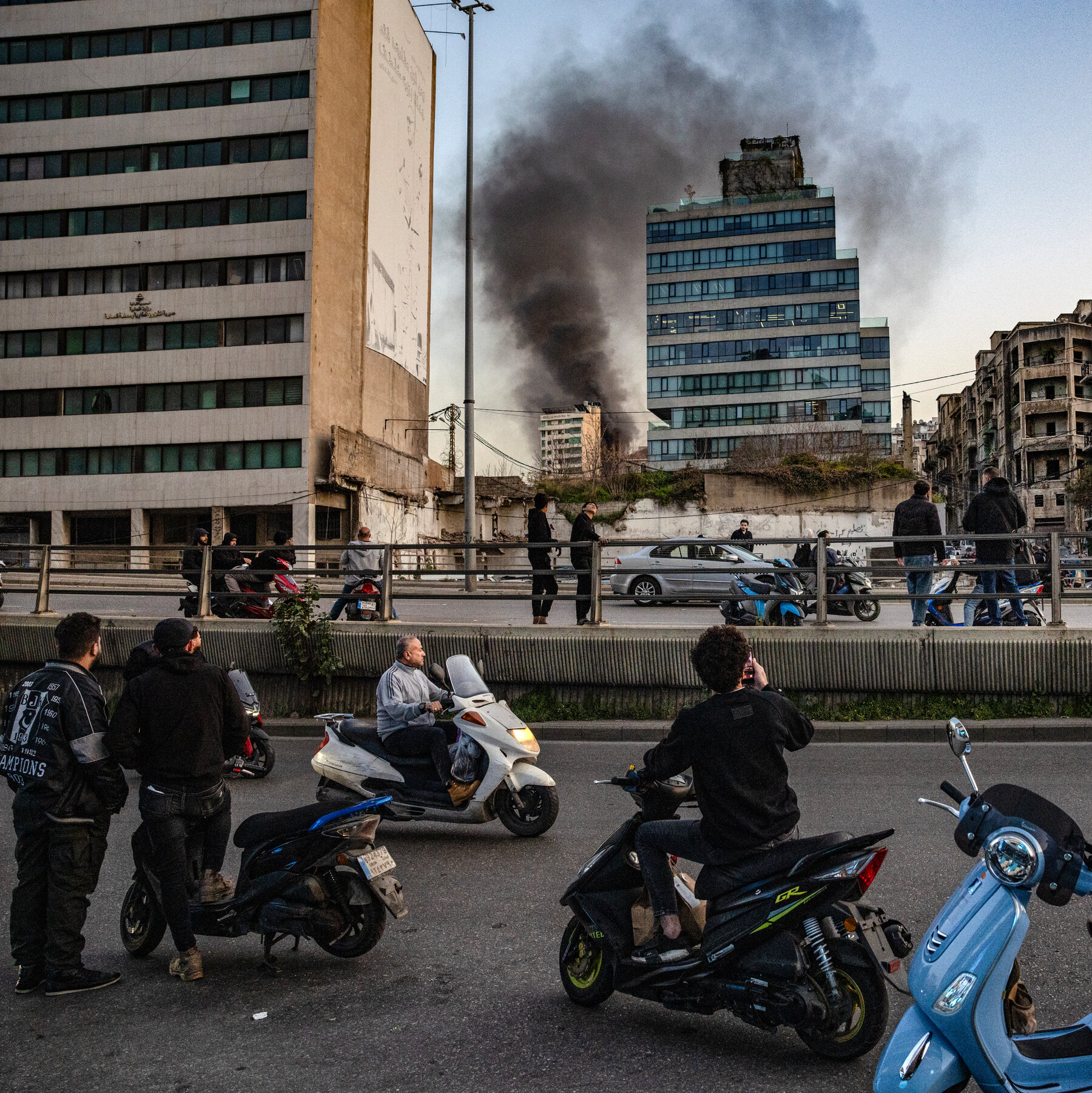
The conflict in the Middle East intensified as Israel launched airstrikes targeting Hezbollah positions in Beirut on October 15, 2023. These strikes marked a significant escalation, extending the war beyond Hezbollah’s traditional strongholds and into areas of the Lebanese capital previously regarded as relatively safe.
Reports indicate that the Israel Defense Forces (IDF) conducted multiple strikes in Beirut, focusing on strategic locations associated with Hezbollah, an armed group based in Lebanon. The attacks are believed to aim at crippling the military capabilities of Hezbollah, which has been a key player in the ongoing conflict. As tensions rise, the Lebanese Armed Forces have issued warnings about the potential for civilian casualties and the broader implications of such military actions.
Wider Regional Implications
The strikes are not confined to Beirut, with additional reports of airstrikes occurring in various locations across Iran and Iraq. These developments have raised concerns about a broader regional conflict, as both Iran and Iraq have historically supported Hezbollah. The situation is evolving rapidly, with each new strike heightening fears of an expanded war that could involve multiple nations.
According to sources within the region, the Iranian government has condemned the Israeli strikes, pledging to support Hezbollah in its defense against what they describe as aggression. This rhetoric underscores the potential for the conflict to draw in other regional players, complicating an already volatile situation.
International Reactions
The international community is closely monitoring the situation, with several governments expressing concern over the potential for widespread violence. Diplomatic efforts are underway to de-escalate tensions, though the prospects for peace appear dim as hostilities continue.
The United Nations has called for an immediate ceasefire and urged all parties to engage in dialogue to prevent further bloodshed. The humanitarian impact of the conflict is already being felt, with civilian casualties reported and many residents of Beirut fleeing their homes in search of safety.
As the conflict escalates, the situation remains fluid. Both military and civilian casualties are likely to rise, and the long-term consequences of these strikes could have profound implications for regional stability and security. The world watches closely as events unfold, with hopes for a peaceful resolution dwindling amidst the backdrop of conflict.