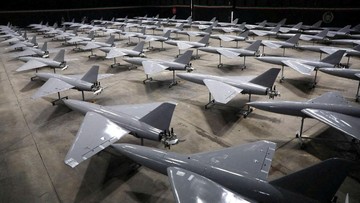
The conflict between the United States, Israel, and Iran has escalated significantly, entering its fifteenth day as Iran deploys low-cost drones known as Shahed to conduct strikes. This tactic has raised the financial stakes for the United States, complicating its military operations in the region and highlighting a shift in warfare strategy.
Iran’s use of Shahed drones represents a strategic pivot, aimed at wearing down the enemy through sustained low-cost assaults. The drones, which have been described as affordable and effective, allow Iran to exert pressure without incurring the high costs typically associated with traditional military engagements. The ongoing use of these UAVs (unmanned aerial vehicles) is not only a challenge for military budgets but also raises questions about the future of aerial warfare in the region.
Operational Costs and Military Strategy
The financial implications for the United States are significant. Estimates suggest that the operational costs for the US military have surged due to the need for advanced countermeasures against these drones. As of March 15, 2024, the Pentagon is reportedly reallocating resources to address this emerging threat, further straining its military budget. The US Department of Defense has acknowledged the challenge posed by Iran’s drone strategy, which they view as a form of attrition warfare aimed at exhausting US military capabilities.
Military analysts are closely monitoring how this conflict evolves. The effectiveness of the Shahed drones has sparked discussions among defense experts about the changing nature of warfare. Traditional air superiority may no longer guarantee victory in conflicts where low-cost, high-impact drone technology is employed. This shift could influence not only the current conflict in the Middle East but also future military engagements worldwide.
Regional Implications and Responses
The increasing use of drones by Iran raises concerns among neighboring countries and international stakeholders. Israel, a key ally of the United States in the region, has heightened its military readiness in response to the threat posed by these drones. Israeli officials have characterized the situation as precarious, emphasizing the need for advanced defense systems to counteract the Iranian drone threat.
The situation is further complicated by the geopolitical landscape. As the conflict unfolds, the potential for broader regional instability remains a concern. Iran’s actions could provoke responses from other nations, potentially leading to a wider confrontation in an already volatile area.
In conclusion, the ongoing conflict underscores the transformative impact of technology on modern warfare. As the United States and Israel navigate this new landscape, they face mounting challenges from Iran’s innovative use of low-cost drones. This situation is likely to shape military strategies and international relations in the Middle East for the foreseeable future.