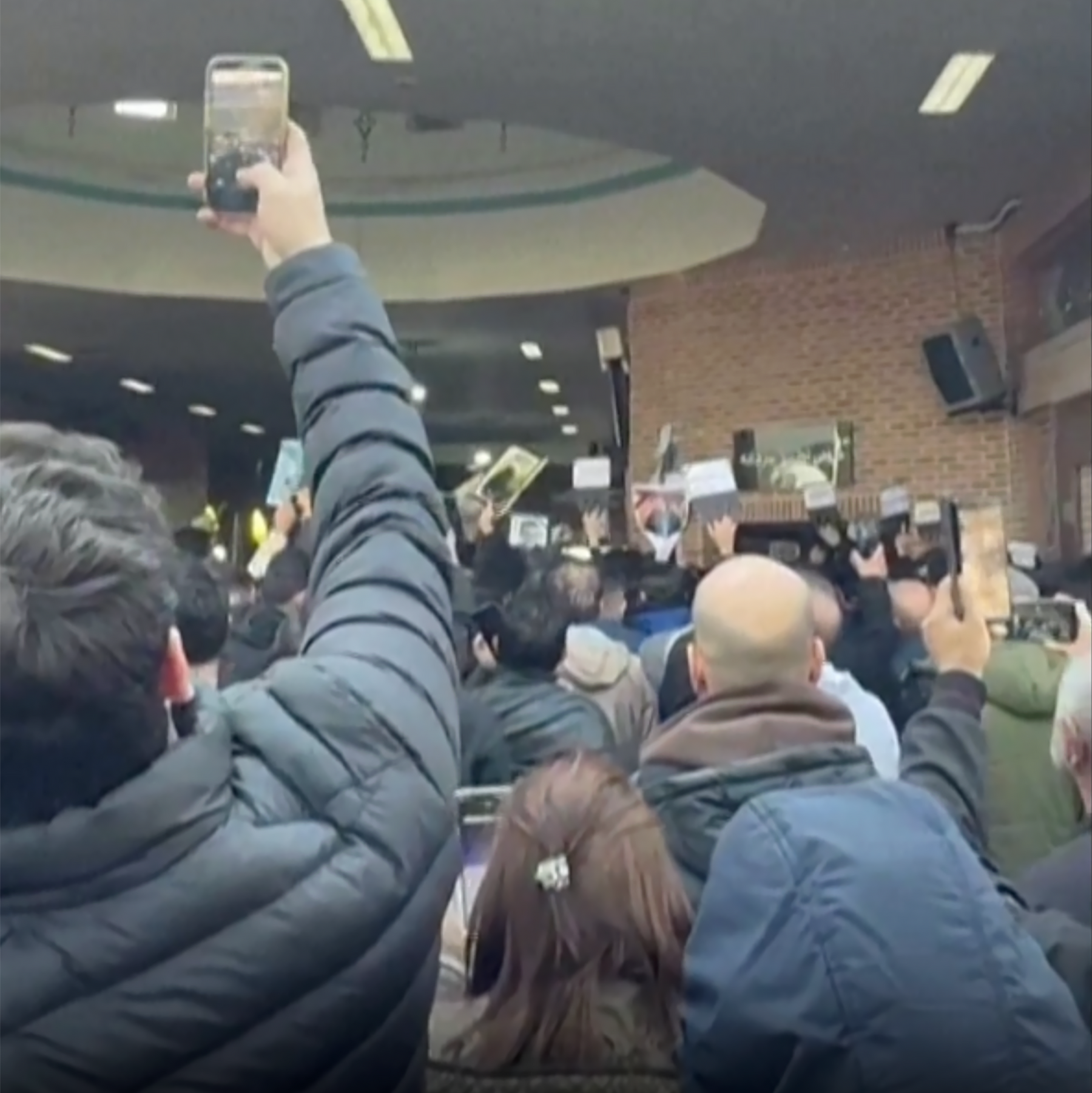
Witness accounts and disturbing footage from Tehran’s largest cemetery reveal a troubling disregard for the dignity of individuals who lost their lives during a violent government crackdown on protests. Reports indicate that the treatment of these victims has sparked outrage and grief among the Iranian populace.
As the nation mourns, the situation escalated following the government’s crackdown on protests that erupted in response to various socio-political issues. Eyewitnesses have shared chilling details regarding the handling of the deceased, suggesting that many bodies were treated with a lack of respect. Videos circulating on social media show improper storage of the deceased, raising serious ethical concerns about how the state is managing the aftermath of civil unrest.
Public Reaction and International Condemnation
The public response has been swift, with many Iranians expressing their anger and sorrow on social media platforms. hashtags related to the protests and the treatment of the dead have trended, amplifying calls for accountability. “We cannot allow such dishonor to befall those who died fighting for their rights,” wrote one user, encapsulating a sentiment shared by many.
International human rights organizations have also condemned these actions. According to a statement from Human Rights Watch on October 5, 2023, the treatment of protest victims is indicative of a broader pattern of repression in Iran. The organization called for an independent investigation into the circumstances surrounding these deaths and urged the Iranian government to uphold its obligations under international law.
Eyewitness accounts from the cemetery depict chaotic scenes, where families were reportedly denied the opportunity to grieve properly. One witness shared, “They were not given a proper burial. It was as if their lives didn’t matter.” This sentiment resonates deeply within a society grappling with loss and injustice.
Government Response and Accountability
In light of the mounting criticism, Iranian officials have issued statements denying any wrongdoing. A spokesperson for the government claimed that all procedures followed were in line with national regulations. However, many citizens are skeptical of these assurances, citing previous instances of state misinformation.
Human rights advocates continue to call for transparency and accountability. The treatment of the deceased not only affects the families involved but also serves as a reflection of the government’s broader approach to dissent. Observers argue that respecting the dead is a crucial aspect of honoring human rights and dignity.
As Iran navigates this difficult period, the public’s grief is palpable, and the demand for justice remains strong. The situation highlights a complex interplay between governmental authority and civil liberties, with the world watching closely as events unfold. The need for respectful treatment of victims, especially in times of national mourning, cannot be overstated.
The fallout from these incidents may have lasting implications for Iran’s reputation both domestically and internationally. As the nation processes its collective grief, the call for accountability and change continues to resonate among its citizens.