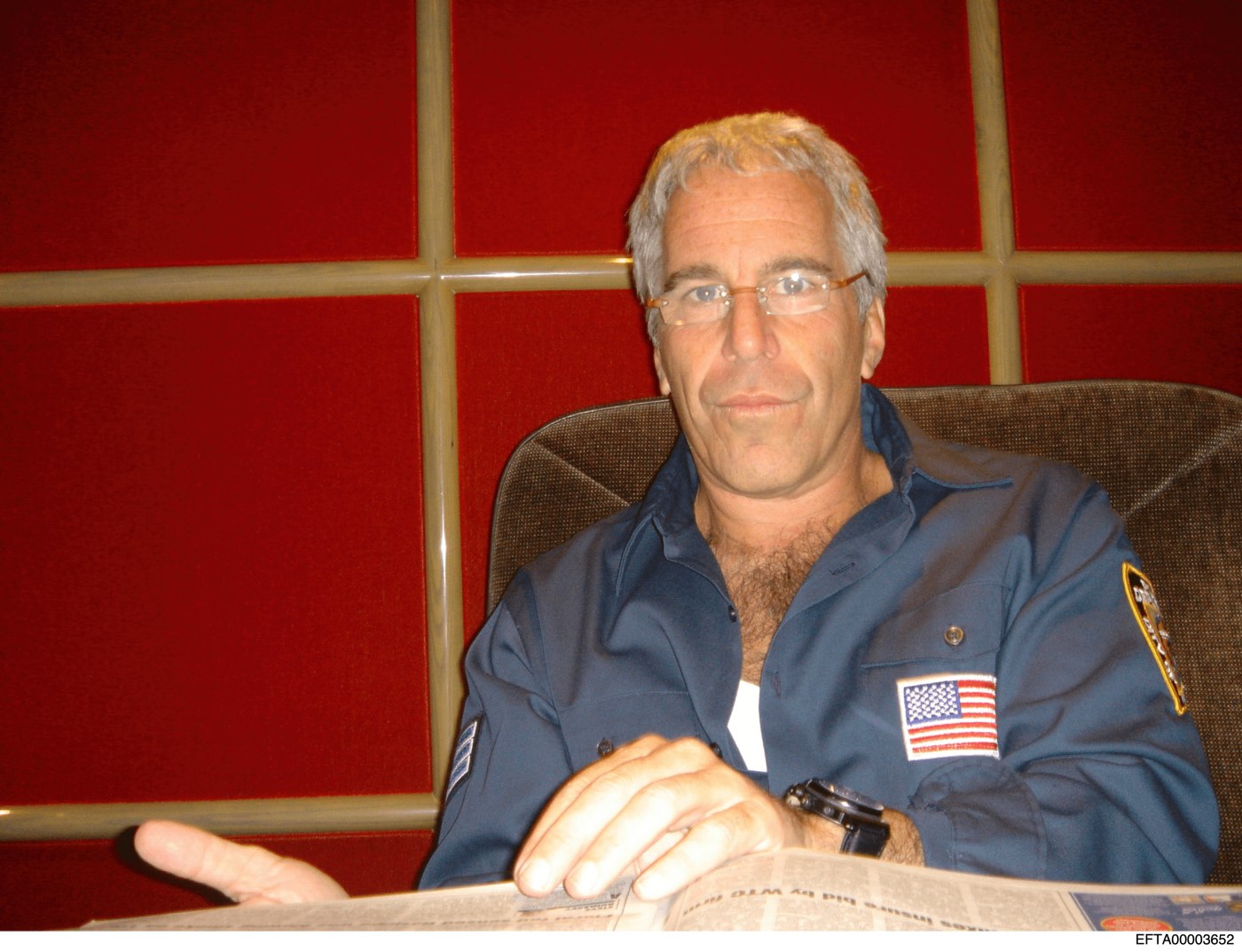
Documents released by the U.S. Department of Justice reveal that the FBI was informed as early as September 3, 1996 about Jeffrey Epstein’s interest in child pornography. A former employee, Maria Farmer, reported Epstein’s threats to harm her if she disclosed his actions. Despite her allegations, the FBI did not publicly acknowledge her complaint at that time.
Farmer, who was hired by Epstein to assist in purchasing art, confirmed to The New York Times that she filed a complaint detailing her concerns about Epstein’s behavior. In an emotional response, she reflected on the long wait for recognition, stating, “I can’t believe it. They can’t call me a liar anymore.” She expressed her devastation over the impact Epstein had on vulnerable young girls.
The documents describe Farmer as a professional artist, although her name was redacted. She reported that Epstein had stolen photographs she took of her younger sisters, aged 16 and 12, which were intended for her personal artwork. According to the report, Epstein also requested Farmer to photograph young girls at swimming pools.
In her interview, Farmer confirmed that the stolen photographs included naked images. She noted that she did not hear back from the FBI until a decade later, when the bureau investigated Epstein, ultimately leading to his 2008 plea deal in Florida. Farmer stated that her original complaint did not encompass all her concerns regarding Epstein’s connections, particularly with his associate, Ghislaine Maxwell, and powerful figures like Bill Clinton and Donald Trump.
Farmer’s relationship with Epstein ended following an incident of sexual assault, after which she discovered the photos of her sisters were missing. Her sister, Annie, later testified at Maxwell’s trial about being invited to Epstein’s ranch in New Mexico at age 16. She described uncomfortable encounters, including instances where Epstein climbed into bed with her and Maxwell provided her with a massage.
The release of these documents comes under the Epstein Files Transparency Act, which mandates the DOJ to make all unclassified records related to Epstein public. This initiative arises amid ongoing public concern regarding a lack of transparency in the investigation into Epstein’s activities.
The House Oversight Committee has expressed its determination to investigate further. Following comments from Deputy Attorney General Todd Blanche, who stated the DOJ would not disclose all remaining documents from the federal investigation, committee members are considering legal actions against Attorney General Pam Bondi for non-compliance.
Blanche emphasized the department’s commitment to protecting victims’ identities while ensuring transparency. He stated, “We’re going to release more documents over the next couple of weeks,” indicating that several hundred thousand additional files will be made available soon.
The revelations surrounding Epstein’s case continue to prompt calls for accountability and justice for the victims affected by his actions. As these documents surface, the implications of the reported warnings and the subsequent lack of immediate action by the FBI are being scrutinized in the context of broader societal concerns regarding child exploitation and institutional responses.