The security landscape in Europe is increasingly precarious as challenges mount from both Russia and the United States. With critical decisions on the future of Ukraine approaching, European leaders must navigate a complex geopolitical environment marked by competing interests and rising tensions.
European nations are caught in a difficult position, balancing the need for security against the backdrop of a shifting international order. The ongoing conflict in Ukraine has highlighted the urgency of these challenges, as Russia continues to assert its influence in the region. According to NATO Secretary General Jens Stoltenberg, European countries must enhance their military readiness and strategic cohesion to address the evolving threat landscape.
The relationship between Europe and the United States adds another layer of complexity. With the potential for a change in U.S. foreign policy, particularly in light of the upcoming elections, European leaders are acutely aware that they cannot rely solely on Washington for support. This uncertainty has led to calls for greater European autonomy in defense matters, prompting discussions about strengthening the European Union’s military capabilities.
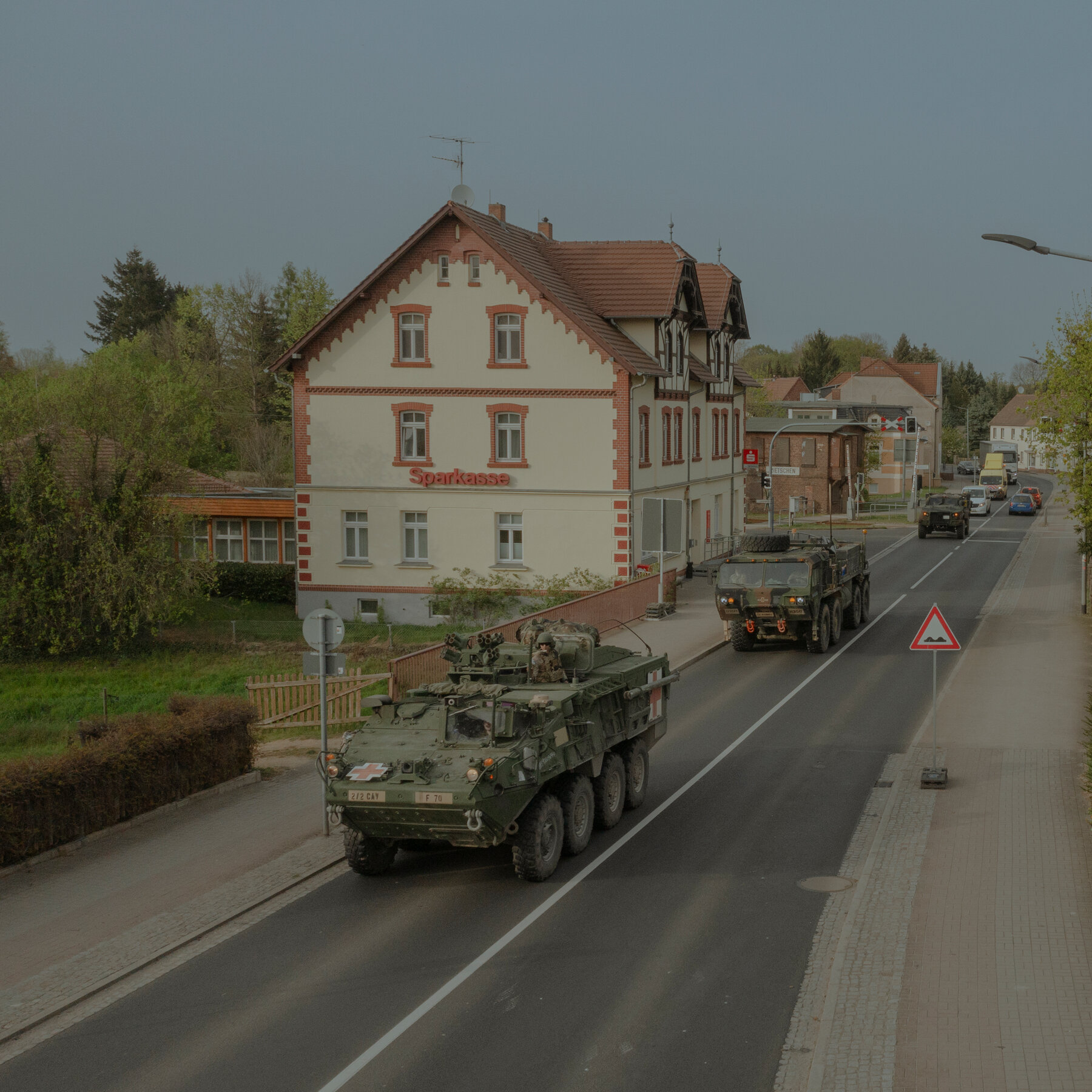
While the transatlantic alliance remains crucial, European nations are increasingly recognizing the need to develop their own strategies. This has been underscored by recent military exercises in Germany and France, which aimed to enhance collaboration among European forces. Such initiatives are essential for ensuring that Europe can respond effectively to any potential threats without depending entirely on U.S. intervention.
The situation is further complicated by the economic implications of these geopolitical tensions. European countries are facing rising energy prices, partly due to sanctions on Russian oil and gas. The economic fallout from the conflict is prompting discussions about diversifying energy sources and reducing reliance on imports from hostile nations. The European Union has set ambitious targets to accelerate the transition to renewable energy, aiming to bolster energy security and reduce vulnerability.
As Europe grapples with these multifaceted challenges, the future of Ukraine remains a pivotal issue. The ongoing conflict has prompted humanitarian crises, with millions displaced and in need of assistance. European nations have responded with significant financial aid and military support for Ukraine, but the long-term resolution of the conflict hinges on diplomatic efforts.
The path forward requires not only military readiness but also a concerted diplomatic strategy. European leaders are engaging with various stakeholders, including Russia, to explore avenues for peace. However, the likelihood of meaningful progress remains uncertain, as entrenched positions on both sides complicate negotiations.
The situation in Europe serves as a reminder of the interconnectedness of global security. As nations navigate this complex landscape, the importance of unity and cooperation within Europe cannot be overstated. The decisions made in the coming months will shape the future not only of Ukraine but also of European security for years to come.
In conclusion, Europe stands at a critical juncture as it confronts significant security challenges. The delicate balance between addressing immediate threats and fostering long-term stability will require strategic foresight and unwavering commitment from European leaders. The stakes are high, and the eyes of the world are watching as Europe charts its course in an increasingly hostile environment.