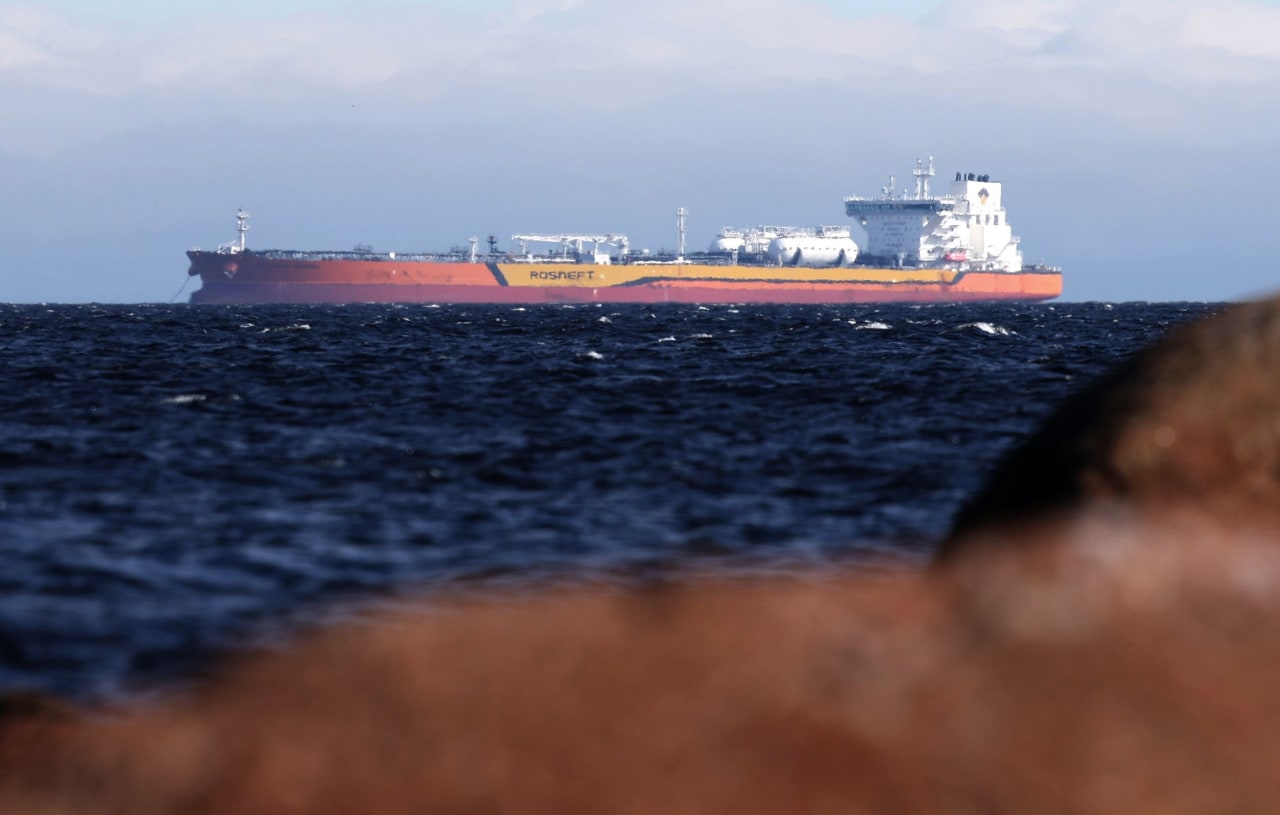
The European Union has imposed sanctions on two prominent traders in the Russian oil market, significantly impacting operations that have financially supported Moscow’s ongoing military actions in Ukraine. This decisive action, announced on December 5, 2023, aims to disrupt the clandestine networks that have facilitated oil exports amidst existing sanctions.
The targeted traders, identified as Igor Sechin and Vladimir Bogdanov, are key figures within the Russian energy sector. Both have been instrumental in circumventing international regulations, allowing the continued flow of oil revenues to the Russian government. According to the European Council, these measures are part of a broader strategy to weaken Russia’s economic foundations in light of its aggression against Ukraine.
Details of the Sanctions
The sanctions specifically prohibit EU-based entities from engaging in any transactions with Sechin and Bogdanov, effectively isolating them from the European market. This includes a freeze on assets held in EU jurisdictions, which could significantly hinder their ability to operate internationally. The European Union’s commitment to curtailing the financial resources available to Russia is evident in the comprehensive nature of these sanctions.
In a statement, the European Commission highlighted the need to tighten the grip on those profiting from the war. “We are determined to ensure that those who support this conflict face the consequences of their actions,” said Ursula von der Leyen, President of the European Commission. This reflects a concerted effort by the EU to not only respond to the war but also to deter future aggression by targeting the financial underpinnings of the Russian state.
Impact on the Oil Market
The sanctions come at a time when the Russian oil market is already facing challenges due to fluctuating global prices and existing sanctions imposed by Western nations. Analysts estimate that the revenue generated from oil exports has been a crucial lifeline for Russia, providing approximately $50 billion annually to fund military operations.
With these new sanctions, the EU aims to further diminish this revenue stream. The oil traders’ ability to navigate the complex web of international laws has been a significant factor in Russia’s resilience in maintaining its oil exports, despite previous sanctions. The effectiveness of these new measures will depend on the EU’s ability to enforce compliance across member states and the wider international community.
As the situation unfolds, the anticipated short-term impact on global oil prices remains uncertain. While some analysts predict a potential increase in prices due to supply constraints, others believe that the overall market will adjust as alternative suppliers step in to fill any gaps left by Russian oil.
The EU’s latest actions underscore a firm stance against not only Russian aggression in Ukraine but also against individuals and entities that facilitate this conflict. The targeted sanctions represent a significant escalation in the bloc’s efforts to hold accountable those who profit from war and instability.
In conclusion, the EU’s sanctions against Sechin and Bogdanov mark a critical moment in the ongoing effort to undermine Russia’s ability to finance its military actions. As the international community watches closely, the repercussions of these measures may extend well beyond the oil market, influencing global geopolitical dynamics in the months ahead.