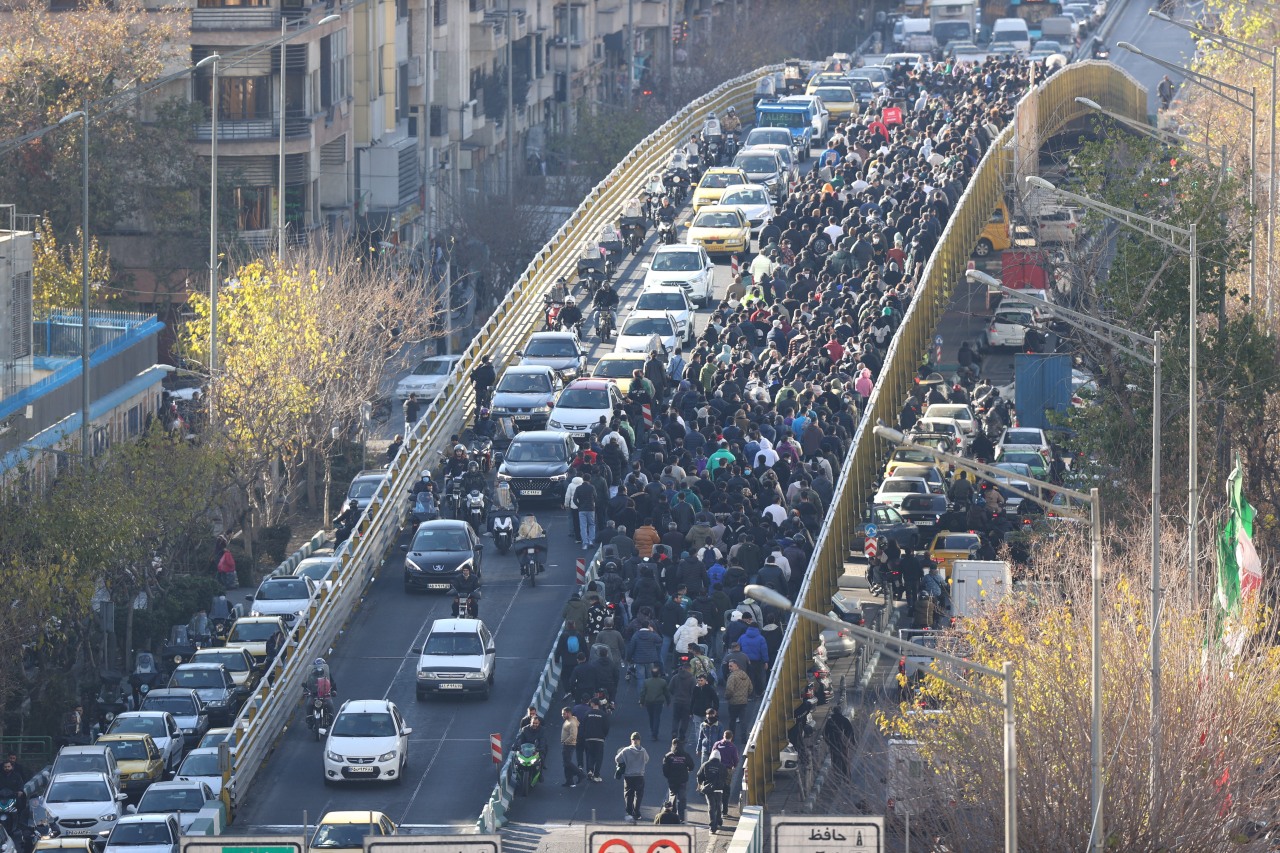
Protests have erupted across Iran as citizens voice their anger over the plunging value of the Iranian rial, exacerbating an already severe economic crisis. Demonstrators took to the streets in cities including Tehran on March 1, 2024, demanding government accountability and urgent economic reforms. This unrest reflects the growing frustration among Iranians who are grappling with the impacts of inflation and declining living standards.
The Iranian rial has seen a significant depreciation, recently falling to a record low against the US dollar. As of March 2024, the exchange rate approached 400,000 rials per dollar, a stark contrast to just a few years prior when the rate hovered around 30,000 rials. This dramatic decline has intensified the public’s discontent with the regime led by President Ebrahim Raisi, who faces mounting pressure to address the economic turmoil.
Government Response to Protests
Authorities have responded to the protests with a heavy security presence, aiming to quell dissent. The Central Bank of Iran has attempted various measures to stabilize the currency, including tightening monetary policy and engaging with foreign exchange markets. However, these efforts have largely failed to restore public confidence.
In a statement, President Raisi acknowledged the economic hardships faced by the population but emphasized the government’s commitment to improving the situation. “We are working diligently to stabilize the economy and will not shy away from implementing necessary reforms,” he said during a press conference on March 3, 2024. The administration’s assurances have not appeased many protesters, who demand immediate action to alleviate their financial struggles.
The protests have drawn attention from international observers. Human rights organizations have expressed concern over the government’s handling of dissent, urging authorities to respect citizens’ rights to peaceful assembly. Reports indicate that several demonstrators have been arrested, leading to further outrage among the population.
Impact on Daily Life and Economy
The economic crisis has led to a steep rise in the cost of essential goods, pushing many families to the brink of poverty. Food prices have surged, with staples such as bread and rice becoming increasingly unaffordable for average citizens. The Food and Agriculture Organization has reported a sharp increase in food insecurity in Iran, where nearly 30% of the population now faces hunger.
Protesters have taken to social media to share their experiences, highlighting the daily struggles they face due to the economic downturn. Many express feelings of helplessness as their purchasing power dwindles and opportunities for employment become scarce. The unrest serves as a stark reminder of the human impact of economic policies and the urgent need for systemic change.
As the situation in Iran continues to unfold, the government’s ability to manage the protests and implement effective economic solutions will be crucial. The public’s patience is wearing thin, and the potential for further unrest looms large if significant improvements are not made in the coming months.