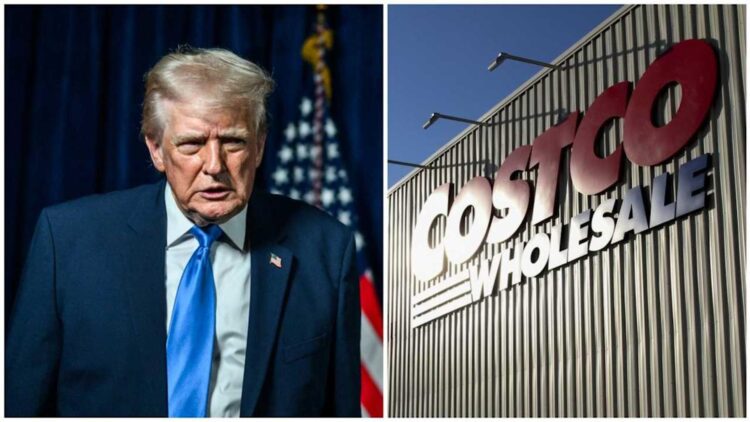
Costco Wholesale has officially filed a lawsuit against the Trump administration in the International Trade Court, seeking to overturn tariffs imposed under the International Emergency Economic Powers Act (IEEPA). The company is demanding a full refund of the import duties it has paid since the tariffs took effect.
This legal challenge marks a significant moment in the ongoing debate over the legitimacy of these tariffs, which have prompted numerous businesses to voice their discontent. While Costco is not the first company to take action, its stature in the retail sector amplifies the implications of this case. According to data from U.S. Customs and Border Protection, importers have collectively paid nearly $90 billion under the IEEPA, raising questions about the government’s handling of these funds.
Legal Grounds and Financial Implications
Costco’s legal team argues that the IEEPA does not grant the President the authority to impose tariffs. As stated by one of the company’s attorneys, “Because the IEEPA does not clearly authorize the President to impose tariffs, the Challenged Tariff Orders cannot be upheld, and the defendants are not authorized to implement or collect them.”
As the case progresses, the Supreme Court is currently reviewing the legal justifications behind Trump’s tariff policies. During recent proceedings, Solicitor General D. John Sauer faced challenging inquiries from the justices, which may suggest growing skepticism regarding the administration’s approach.
Costco’s Chief Financial Officer, Gary Millerchip, expressed the company’s concerns about the impact of these tariffs on consumers. He noted that approximately one-third of Costco’s U.S. sales are derived from imported products, with around 8% sourced from China. Millerchip emphasized the company’s commitment to keeping prices stable on essential items, despite the rising costs associated with tariffs on fresh food imports from Central and South America. “We have kept the price on those to ensure that we are protecting the member,” he said.
Wider Impact and Industry Response
The legal action brought by Costco adds weight to a series of similar lawsuits filed by various companies, including cosmetics giant Revlon, eyewear manufacturer EssilorLuxottica, and motorcycle maker Kawasaki. Many small and medium-sized businesses have also challenged the tariffs, highlighting a widespread discontent within the retail sector.
As of late October, the U.S. government had collected approximately $205 billion in tariffs, leading Costco to assert that the government has retained funds that rightfully belong to importers. This sentiment was echoed by Kush Desai, a White House spokesperson, who noted, “The economic consequences of the failure to uphold President Trump’s lawful tariffs are enormous, and this suit highlights that fact.”
Costco’s entry into this legal battle may reshape the landscape of tariff-related litigation, given its substantial market presence. The outcome will not only affect Costco but could set precedents for other companies grappling with similar challenges. As the case unfolds, many will be watching closely to see how the courts address these complex issues surrounding trade and economic policy.