ConocoPhillips is navigating a complex landscape as it contemplates re-entering the Venezuelan oil market, a move that comes with both significant potential and considerable risks. The company faces an uphill battle, especially given its ongoing $12 billion legal dispute with the Venezuelan government over nationalized assets.
Venezuela, once a powerhouse in the oil industry, has struggled with years of economic turmoil and mismanagement. Recent discussions indicate that U.S. President Donald Trump is encouraging American oil companies to explore opportunities in Latin America, aiming to bolster energy production and reduce reliance on foreign oil. However, for ConocoPhillips, the path back to Venezuela is complicated by regulatory hurdles and geopolitical factors.
Legal and Operational Hurdles
The crux of ConocoPhillips’ challenge lies in its legal battle with the Venezuelan state oil company, PDVSA. The company has sought compensation for the expropriation of its assets in 2007, a situation that has left it wary of re-engaging with the Venezuelan government. The ongoing dispute could complicate any negotiations, as the company must weigh the risks against potential rewards in a country rich in oil reserves but plagued by instability.
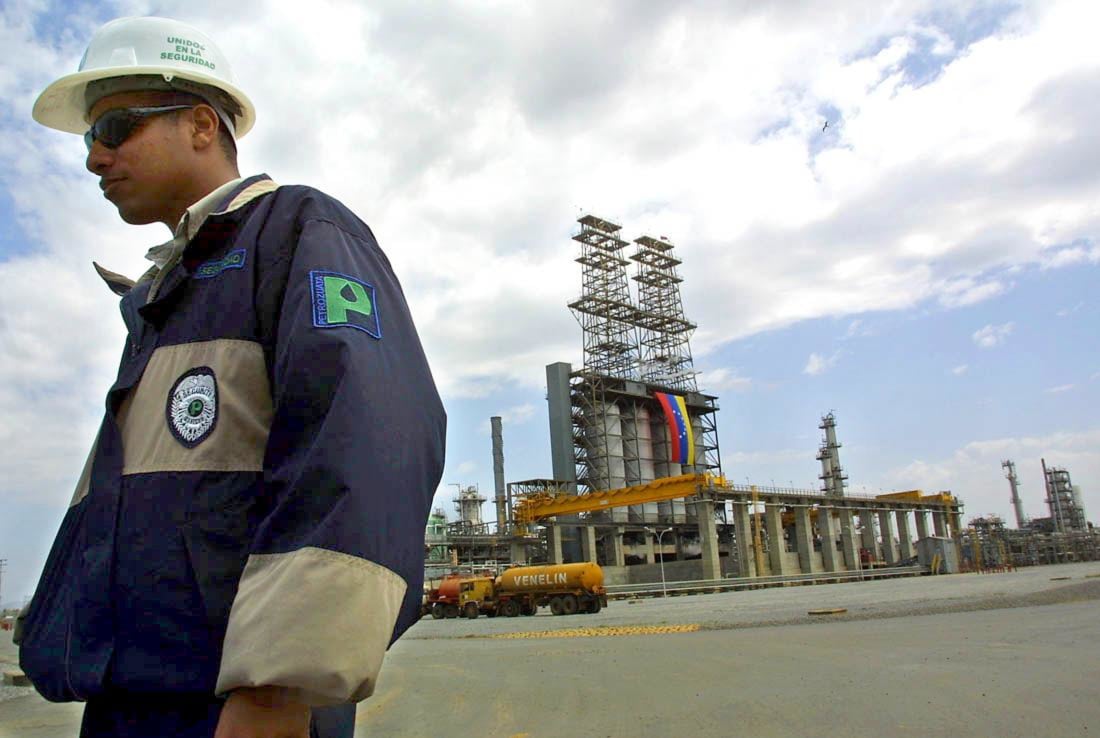
In addition to legal concerns, operational issues also loom large. Venezuela’s oil infrastructure has deteriorated significantly over the past decade, with many facilities in dire need of repair. If ConocoPhillips decides to invest, it would require immense capital and expertise to restore production levels. The company must consider whether the potential financial gains outweigh the costs and risks associated with such an undertaking.
Political Climate and International Relations
The political climate surrounding Venezuela remains turbulent. Sanctions imposed by the U.S. and other countries have isolated the nation economically. The U.S. Treasury Department has maintained strict regulations on American companies operating in Venezuela, adding another layer of complexity for ConocoPhillips. Any decision to return to the Venezuelan market would not only affect the company’s financial standing but could also have broader implications for U.S.-Venezuelan relations.
Despite these challenges, the allure of Venezuela’s vast oil reserves is undeniable. The country holds some of the largest proven oil reserves in the world, which could provide a lucrative opportunity for companies willing to navigate the complexities involved. ConocoPhillips must carefully assess its strategy in light of the legal, operational, and political hurdles it faces.
As the situation evolves, the decision-making process for ConocoPhillips will likely involve intense scrutiny from stakeholders. The company’s board will have to consider not only the financial implications of a potential return but also the ethical considerations of engaging with a government criticized for human rights abuses and poor governance.
The coming months will be pivotal for ConocoPhillips as it weighs its options in relation to Venezuela’s oil industry. The outcome of this deliberation could significantly shape the future of the company and its role in the global energy market.