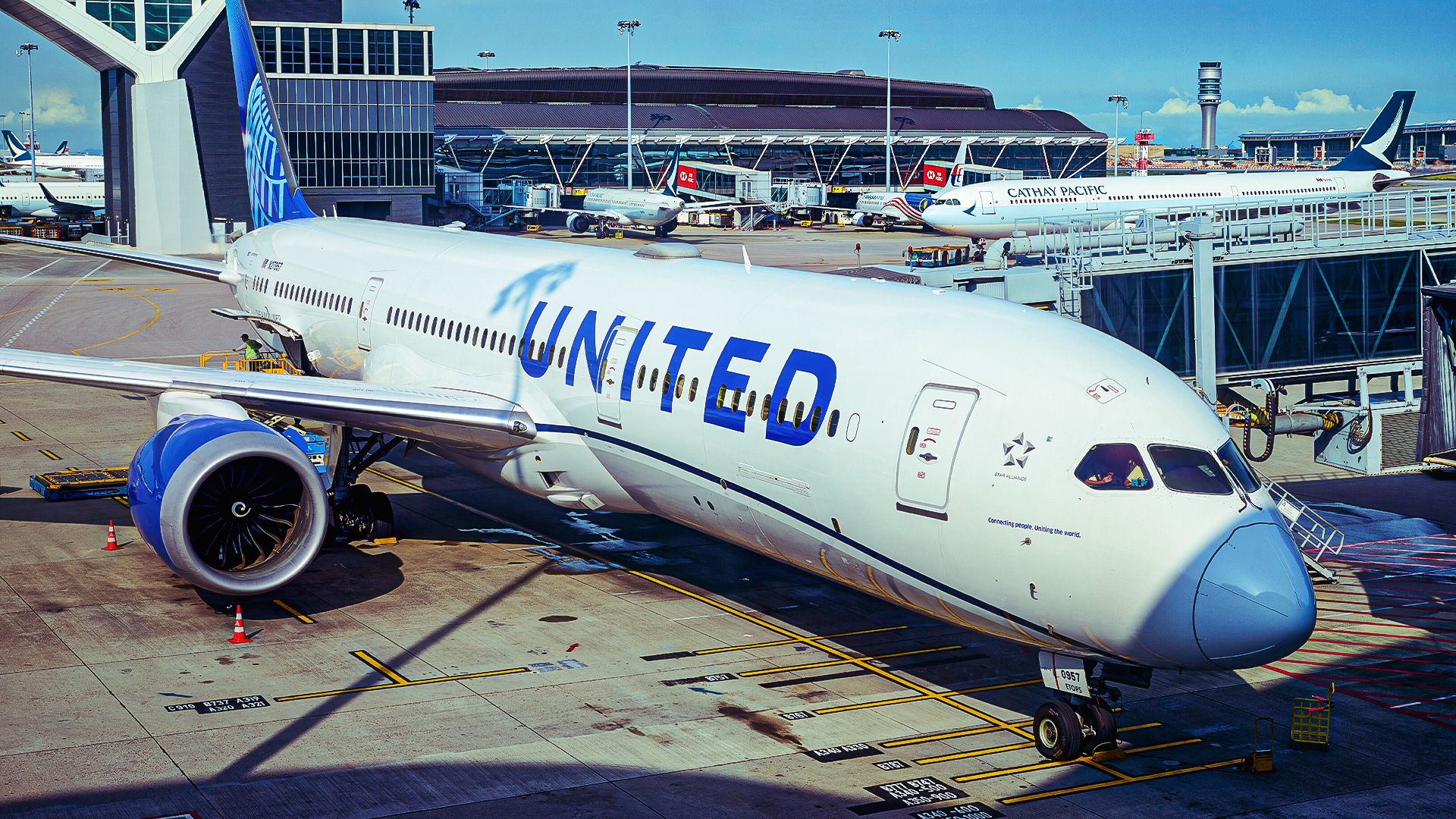
The competition between the Boeing 787 and the Airbus A330neo is intensifying as airlines look for suitable replacements for the aging Boeing 767 fleet. Currently, the two largest operators of the Boeing 767 are Delta Air Lines and United Airlines, which operate a combined total of 111 aircraft. Delta has 58 Boeing 767s in service, while United maintains a fleet of 53, both predominantly flying the 767-300ER and 767-400ER variants. Given that these aircraft are now well over 20 years old, airlines are increasingly considering newer models to enhance efficiency and passenger comfort.
Assessing the Boeing 787
The Boeing 787, known for its advanced materials and fuel-efficient engines, offers significant operational benefits. The aircraft is equipped with composite structures and advanced aerodynamics, allowing it to achieve a fuel efficiency improvement of approximately 20 to 30 percent compared to older models. This efficiency translates into lower operating costs, which is a crucial factor for airlines looking to maintain profitability in a competitive market.
Moreover, the 787 features a spacious cabin design, enhanced passenger comfort, and modern amenities. Airlines can configure the 787 to carry between 242 and 335 passengers, depending on the variant, making it a versatile option for long-haul routes. Delta and United have both expressed interest in the 787 for various routes, suggesting it could play a significant role in their future fleets.
Examining the Airbus A330neo
On the other side, the Airbus A330neo presents a strong alternative to the 787. This aircraft combines the proven A330 design with modern technology, including new engines that provide improved fuel efficiency. The A330neo’s range allows it to cover long-haul routes while accommodating between 260 and 300 passengers.
Airbus has positioned the A330neo as a cost-effective choice for airlines, particularly those operating in markets where efficiency and flexibility are paramount. With its larger cabin space and advanced in-flight entertainment systems, the A330neo appeals to airlines focused on passenger experience.
Both the Boeing 787 and Airbus A330neo have been designed with sustainability in mind, incorporating features that reduce environmental impact. As the aviation industry continues to grapple with climate change, airlines are increasingly prioritizing aircraft that not only meet operational needs but also align with environmental goals.
With the Boeing 767 aging significantly, Delta and United are at a crossroads. The choice between the 787 and the A330neo will depend on operational needs, financial considerations, and market demand. As air travel continues to rebound post-pandemic, the decision to replace the 767 fleet could reshape the future of long-haul travel for these major carriers.
In conclusion, the competition between the Boeing 787 and Airbus A330neo highlights the evolving landscape of commercial aviation. As airlines weigh their options, the legacy of the Boeing 767 may soon give way to a new era of aircraft that prioritize efficiency and passenger comfort.