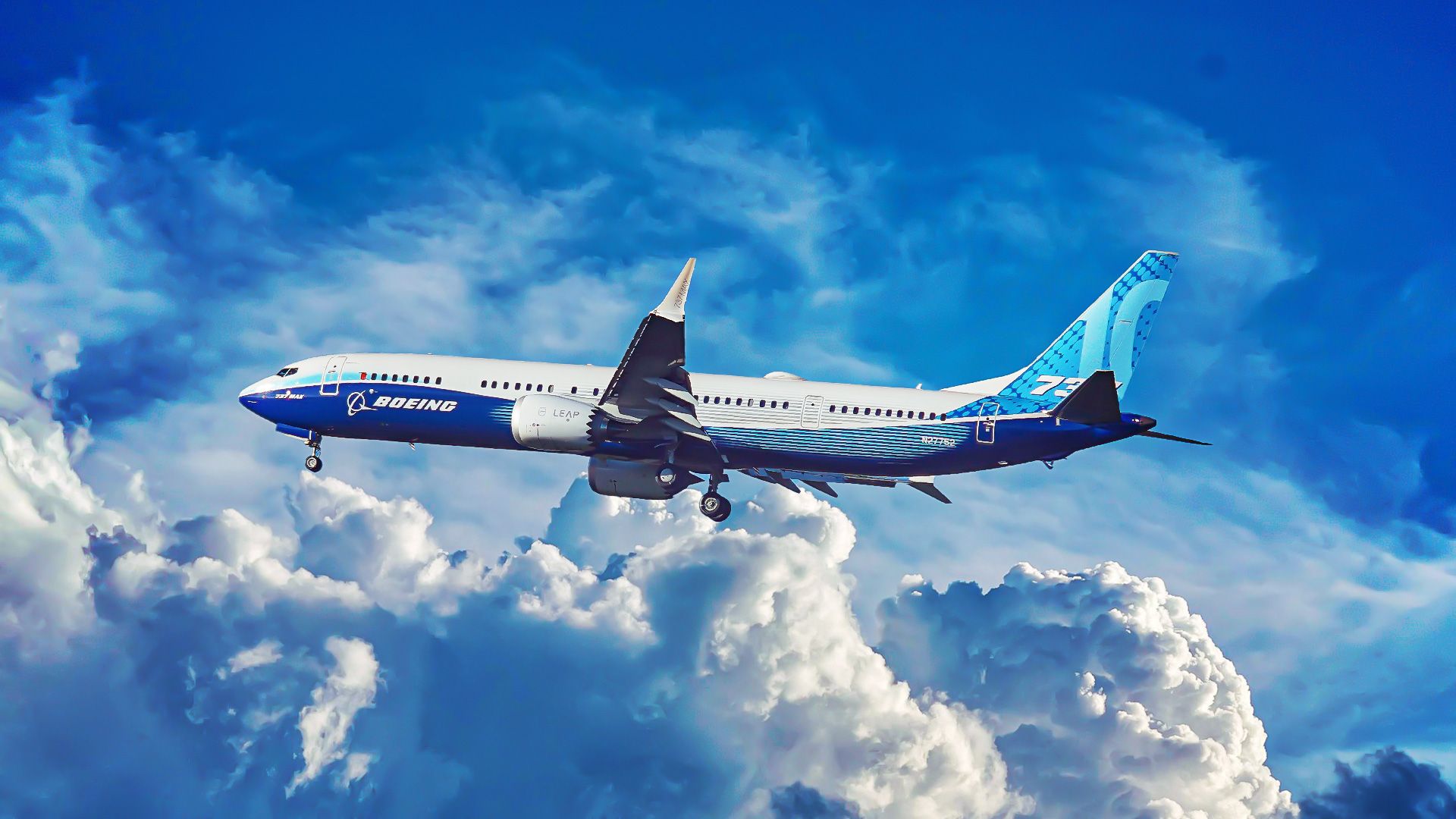
The debate over whether the Boeing 737 MAX 10 is the world’s most profitable large single-aisle aircraft is intensifying as the model continues to await certification. Boeing has positioned the MAX 10 as the economic peak of the 737 family, suggesting it will deliver unmatched profitability in an industry grappling with rising fuel prices and labor costs. Yet, the reality is that profitability in aviation is complex and contingent on various factors, including aircraft design, certification timing, and operational deployment.
Assessing Profitability Claims
While Boeing asserts that the 737 MAX 10 will feature the lowest seat-mile costs of any large single-aisle aircraft, it has not yet entered commercial service. Consequently, the actual profitability of the MAX 10 remains theoretical. Current claims are based on performance models rather than operational data. This distinction is vital because profitability projections generally assume ideal conditions, such as high utilization rates and favorable route structures.
Aircraft like the Airbus A321neo are already in widespread operation, providing measurable returns for airlines across diverse business models. Without the MAX 10 operating at scale, a direct comparison with existing aircraft remains elusive. Historical trends also warrant caution; previous stretched narrowbodies like the Boeing 737-900ER and A321ceo were marketed as cost leaders, yet their actual profitability varied significantly based on airline operations.
Boeing’s arguments for the MAX 10 focus on factors such as seating capacity, trip-cost efficiency, and fleet commonality. When configured for high-density operations, the MAX 10 can accommodate approximately 220 to 230 passengers, allowing airlines to spread fixed costs, including fuel and maintenance, across more seats. For airlines already operating the 737 MAX, this commonality reduces training and operational complexity, enhancing the economic case for the aircraft.
Comparative Analysis with Competitors
In the realm of commercial aviation, the term “profitability” often requires careful interpretation. While the MAX 10 offers advantages in capacity, it has limitations compared to the Airbus A321neo line. The A321neo’s range of approximately 3,500 nautical miles allows for greater operational flexibility, particularly on longer routes. This broader mission profile makes the A321neo a strong competitor, especially since it has demonstrated its economic viability in day-to-day airline operations.
Airlines that have ordered the MAX 10 typically view it as a tool for reducing costs rather than a guaranteed profit generator. For instance, United Airlines has highlighted the aircraft’s potential to lower unit costs on high-density routes while benefiting from fleet commonality, yet they stop short of labeling it the most profitable aircraft available. This cautious approach reflects how airlines assess new aircraft, prioritizing controllable cost improvements over absolute profit outcomes.
Industry analysts largely share this cautious optimism. Many acknowledge that Boeing’s cost assumptions are credible for carriers operating dense networks. However, they also emphasize that certification delays diminish the financial advantages originally anticipated. Over the past seven years, the entry into service for the MAX 10 has been postponed, impacting potential revenue generation for airlines.
The ongoing uncertainty regarding certification remains a critical factor. Regulatory delays have compelled airlines to adjust their fleet plans or extend the operation of older aircraft. From an airline’s perspective, an aircraft’s profitability hinges not only on its economic metrics but also on its timely arrival to capitalize on favorable market conditions.
In contrast, the Airbus A321neo has already established itself as a profitable large single-aisle aircraft, thanks to its flexibility, range, and proven performance across various routes. Unlike the MAX 10, the A321neo has demonstrated its economic viability, providing airlines and lessors with greater confidence in its long-term profitability.
Ultimately, the MAX 10’s reputation will be shaped by its real-world performance rather than marketing claims. If it achieves certification and airlines effectively deploy the aircraft, it could potentially be recognized among the most profitable narrowbodies ever built. However, for now, the title remains speculative, contingent on future operational success.