The McDonnell Douglas MD-11, once a significant player in the aviation industry, marked the last major three-engine aircraft in commercial service. Designed during the late Cold War era, the MD-11 entered service just as the airline industry began shifting towards long-range twin-engine aircraft. Despite its promise of enhanced range and fuel efficiency, the aircraft ultimately became a transitional model, with several major airlines adopting it in the early 1990s before retiring it sooner than anticipated due to evolving market dynamics and technological advancements.
The MD-11 was an evolution of the DC-10, featuring a stretched fuselage, updated avionics, and winglets. These enhancements made it attractive to airlines looking for improved operational efficiency without fully committing to larger aircraft like the Boeing 747. The aircraft’s strong payload capacity and durability allowed it to remain in service within cargo operations long after many passenger airlines phased it out.
American Airlines: Bridging Classic and Modern
American Airlines operated a fleet of 18 MD-11s from 1991 until their retirement in 2001. During this decade, the aircraft served as a high-capacity workhorse, facilitating the airline’s expansion as global networks grew. The MD-11 provided modern cockpit features and strong cargo capabilities, fitting seamlessly into American’s operational framework.
However, changing economic factors in the 2000s, such as rising fuel prices and the increasing efficiency of twin-engine aircraft, led to the MD-11’s decline. The aircraft became emblematic of a pivotal shift within the industry, as airlines increasingly prioritized cost-effectiveness and flexibility offered by newer twin-engine models.
Regional Insights: Other Airlines’ Experiences
China Airlines operated four MD-11s between 1992 and 2002. The airline strategically utilized the aircraft to enhance long-haul capabilities without committing to a larger fleet. This approach reflected the broader industry trend of retiring three-engine aircraft as twin-engine options matured and market dynamics shifted.
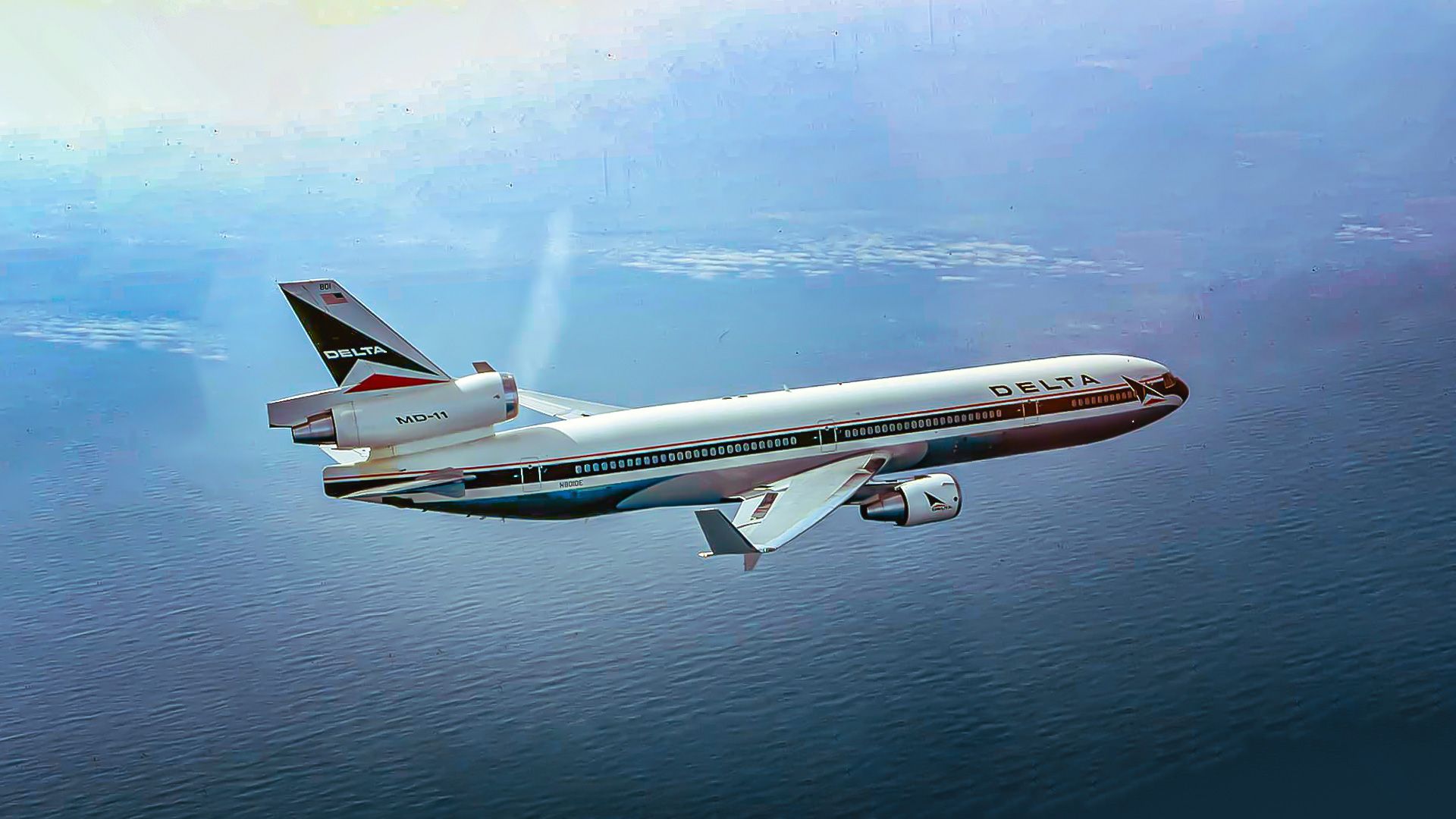
Delta Air Lines introduced the MD-11 in 1990, maintaining a fleet of 17 until 2005. Delta’s extended use of the aircraft indicated its effective deployment on specific missions, even as the broader industry moved toward fleet simplification and twin-engine efficiency.
Finnair’s experience with the MD-11 was similarly notable. The airline operated seven of the jets from 1990 until 2010, effectively integrating them into its Helsinki-based network, which favored long-haul flying. The MD-11 helped Finnair establish its intercontinental identity, successfully balancing passenger and cargo needs.
Garuda Indonesia’s tenure with the MD-11 was brief, as the airline operated five units from 1991 to 1998. The high operational costs and maintenance challenges associated with the aircraft made it difficult for the airline to sustain profitable operations in a rapidly evolving market.
Japan Airlines managed a fleet of ten MD-11s from 1993 until 2004. The aircraft served as a strategic component of JAL’s long-haul capacity, but the airline retired it as twin-engine models proved more efficient and operationally viable.
KLM Royal Dutch Airlines is perhaps the most iconic operator of the MD-11, maintaining a fleet of ten until 2014. KLM’s successful integration of the aircraft into its network showcased its reliability and performance, particularly in trunk markets. The aircraft’s longevity with the airline highlighted the economic advantages of a well-managed fleet, even as industry trends shifted towards more efficient twin-engine jets.
The MD-11’s journey through various airlines illustrates a significant chapter in aviation history. As the industry continues to evolve with newer technologies and changing economic landscapes, the legacy of the MD-11 remains influential, shaping the design and operational strategies of modern aircraft.