UPDATE: In a significant shake-up of Ukraine’s national security leadership, President Volodymyr Zelenskyy has appointed Kyrylo Budanov, head of the military intelligence agency, as his new chief of staff. This urgent change, announced late Friday, follows the resignation of Andriy Yermak, who stepped down amid a corruption scandal.
Zelenskyy emphasized that this “substantial overhaul” is crucial for making Ukraine “more resilient” as the nation continues to face the ongoing conflict with Russia. In his address, he stated, “The country needs greater focus on security issues and further progress on the diplomatic track of negotiations.”
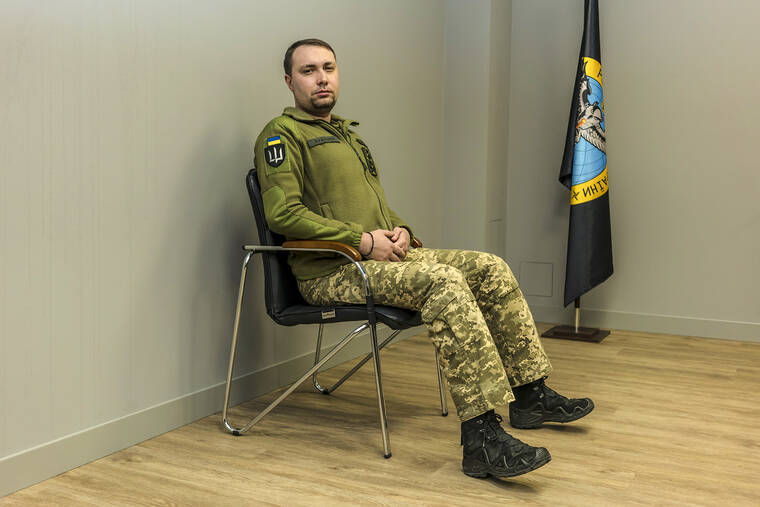
The appointment comes as tensions rise over potential elections in Ukraine, contingent on a ceasefire agreement with Russia. The new chief of staff, Budanov, 39, is known for his strategic military expertise and has been pivotal in Ukraine’s intelligence operations. His close ties with Washington, established through a CIA-backed training program, could play a critical role in ongoing peace discussions with the United States.
Zelenskyy also announced the appointment of Mykhailo Fedorov, the current Minister of Digital Transformation, as the new defense minister, marking a wave of personnel changes aimed at strengthening Ukraine’s defense capabilities. This decision indicates a shift towards a more integrated approach to governance and military strategy.
Budanov’s transition into a political role raises questions about future dynamics within Ukraine’s leadership. Political analysts suggest that his appointment may eliminate him as a competitor in any potential presidential race, as his influence consolidates within Zelenskyy’s inner circle. Recent polls indicate Budanov could surpass Zelenskyy in a two-phase presidential election, highlighting his rising prominence among Ukrainian citizens.
The urgency of these changes cannot be overstated. The ongoing war with Russia and the recent calls for Ukraine to hold elections have created a precarious political landscape. Zelenskyy’s leadership is under scrutiny, especially as he navigates the complex relationship with both domestic and international stakeholders.
As Ukraine prepares for possible elections post-ceasefire, Budanov’s strategic vision is expected to prioritize asymmetrical military strategies over direct confrontations, which he famously utilized during covert operations. His previous achievements, including daring missions in occupied territories, have earned him a reputation as a formidable figure in Ukraine’s defense narrative.
The political ramifications of these appointments are profound. Zelenskyy’s recent efforts to fortify his administration come at a time when U.S. officials are closely monitoring Ukraine’s internal stability. The reshuffling signals a commitment to addressing leadership voids created by corruption scandals while reinforcing Ukraine’s defense strategy.
Looking ahead, observers will be watching closely for further developments in Ukraine’s internal politics and its ongoing negotiations with Russia. Zelenskyy has indicated that “more decisions will follow,” suggesting that additional appointments or policy shifts may be imminent as the nation strives for unity and resilience in these tumultuous times.
With the stakes higher than ever, the world watches as Ukraine faces its most critical juncture yet, balancing the need for robust leadership with the aspiration for peace.