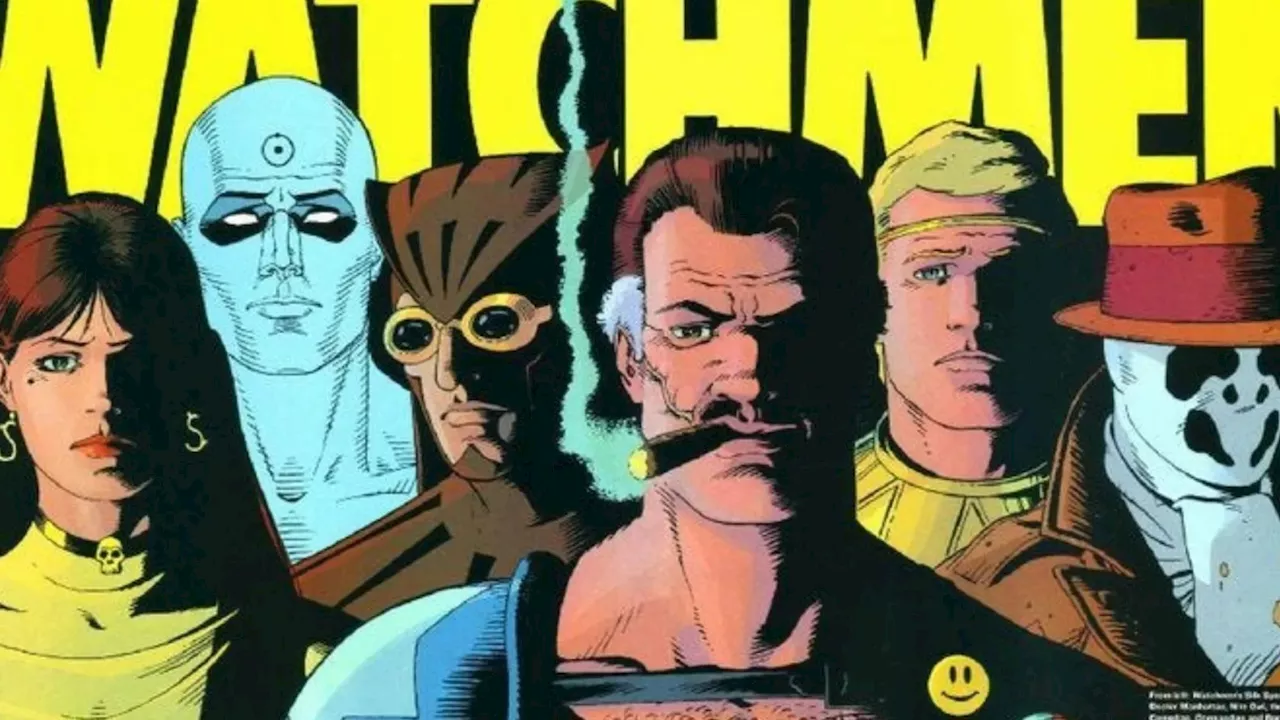
UPDATE: As the iconic Watchmen celebrates its 40th anniversary, critical discussions are emerging regarding its legacy and relevance in today’s cultural landscape. This beloved comic, created by writer Alan Moore and artist Dave Gibbons, originally serialized from 1986 to 1987, is now facing scrutiny over whether its influence is being misinterpreted in contemporary society.
The urgency of this re-evaluation comes as discussions intensify about the shifting dynamics of superhero narratives. Watchmen is acclaimed for its complex storytelling and subversion of the superhero archetype. However, experts argue that its historical context—rooted in the socio-political climate of the 1980s, marked by Cold War anxieties and governmental distrust—may be overshadowing its present-day significance.
As we reflect on this iconic work, questions arise: Is Watchmen truly the defining statement on superheroes, or has its legacy been inflated over time? Critics suggest that the comic’s dense narrative and pacing may now serve more as a time capsule, rather than a relevant commentary on current issues. The cultural landscape has evolved significantly since its release, with the 1990s and beyond introducing new social and moral complexities that challenge the book’s foundational themes.
The impact of Watchmen on modern comics is undeniable; however, many creators may have taken away the wrong lessons. The groundbreaking success of Watchmen led to a surge of dark and gritty narratives, with morally ambiguous heroes becoming the norm. While this approach allows for nuanced storytelling, the replication of shock value often overlooks the deeper themes that Watchmen masterfully explored.
With the comic’s legacy under examination, it’s crucial to understand that the conversation surrounding Watchmen extends beyond its pages. The narrative’s portrayal of a cynical world, where heroes are sidelined, was a mirror to its time. Yet, as society continues to evolve, the question remains: how do we reinterpret such influential works in light of current realities?
As fans, creators, and critics engage in this urgent discourse, the need for a contemporary lens on storytelling becomes increasingly clear. The shifts in culture and heroism today demand a reevaluation of what makes a story resonate with audiences. Watchmen‘s 40th anniversary serves as a pivotal moment to reassess the comic not just as a classic, but as a foundational text that must adapt to the ever-changing landscape of superhero narratives.
Stay tuned for more insights on how Watchmen continues to influence the comics industry and what its legacy means for future storytelling. The dialogue surrounding this milestone will undoubtedly inspire new interpretations and creative approaches in the world of comics.