UPDATE: The capture of ousted Venezuelan President Nicolás Maduro has sent shockwaves through Caracas and Washington, raising urgent questions about the future of Venezuela and its implications for the United States. Just days after this significant event, officials express uncertainty regarding next steps for the beleaguered South American nation.
House Speaker Mike Johnson (R-LA) stated, “This has all just happened within the last couple of days, so there are more questions ultimately about how it resolves, probably, than answers at the moment.” As discussions unfold, the critical inquiry remains: what comes next for Venezuela?
Senate Majority Leader Chuck Schumer (D-NY) echoed concerns, emphasizing the importance of understanding the broader impact on U.S. interests.
In an exclusive interview with NBC News, former President Donald Trump announced he will oversee the transition in Venezuela, asserting, “It’s going to take a period of time” before the country stabilizes enough to hold elections. Trump has promised a strategic approach, noting that U.S. oil companies could operate in Venezuela within 18 months, provided they invest in the nation’s resources.
However, a new poll reveals that 72% of Americans are apprehensive about potential U.S. military involvement in Venezuela, indicating a widespread fear of escalating intervention. Johnson reassured, “We don’t expect troops on the ground. We don’t expect direct involvement in any other way,” but the public remains uneasy.
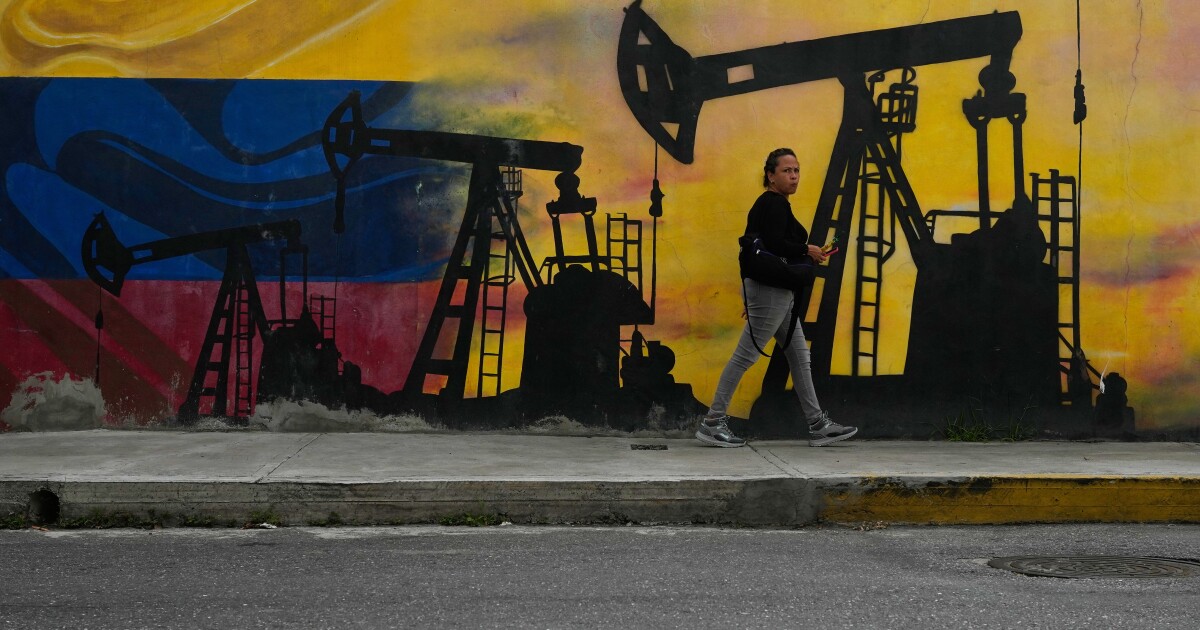
The fate of Venezuela’s vast oil reserves is another pressing concern. Trump highlighted the country’s capacity to produce oil, stating, “We’ve got a lot of oil to drill, which is going to bring down oil prices even further.” Yet, analysts suggest that restarting Venezuela’s oil production to its previous level of 2.5 million barrels per day could cost between $80 billion to $90 billion and take six to seven years to achieve.
GasBuddy’s Patrick De Haan cautioned, “There’s a lot of promise for Venezuela’s future, but it may take years for an increase in production to actually occur.” He added that any immediate relief at the pump for American consumers is unlikely, as the timeline for meaningful oil production improvements stretches far into the future.
As the situation develops, the world watches closely for updates on both Venezuela’s political landscape and the potential economic implications for global oil markets. The urgency of the matter cannot be overstated as officials and citizens alike seek clarity in a time of profound uncertainty.
Stay tuned for further updates as this story unfolds, and watch for critical decisions that will shape the future of Venezuela and its relationship with the United States.