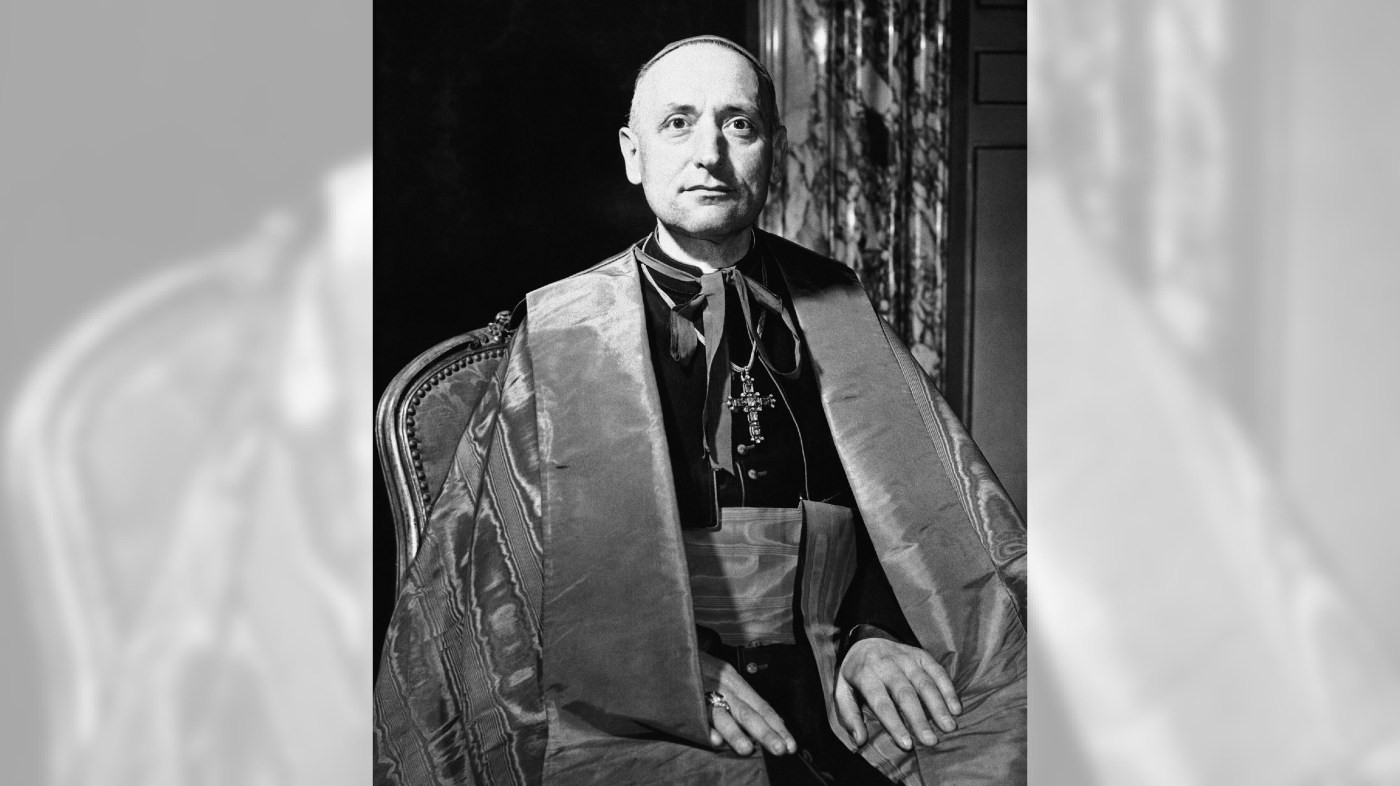
BREAKING: On this day, February 8, in 1949, Roman Catholic Cardinal József Mindszenty was sentenced to life in prison for his courageous opposition to the fascist and later communist regimes in Hungary. This landmark event underscores the brutal repression faced by dissenters during a tumultuous period in Eastern European history.
Mindszenty’s imprisonment came amidst a wave of political purges, and he would later gain international attention during the 1956 Hungarian Revolution. Following the uprising, he sought refuge at the U.S. Embassy in Budapest, where he remained for an astonishing 15 years as the Soviet military tightened its grip on Hungary. He ultimately left Hungary in 1971 and passed away in exile in Vienna in 1975.
This date also marks several other significant historical events. In 1587, Mary, Queen of Scots was executed at Fotheringhay Castle after being implicated in a plot against her cousin, Queen Elizabeth I.
In 1968, the tragic Orangeburg Massacre unfolded when state troopers opened fire on demonstrators at South Carolina State College, resulting in the deaths of three Black students and wounding 28 others.
Today’s history is steeped in emotional weight and pivotal moments. The Boy Scouts of America was incorporated in 1910, and in 2000, the world witnessed a devastating snowstorm that left parts of the U.S. Northeast buried under up to 3 feet of snow, causing widespread power outages and loss of life.
As we reflect on these historical events, it is essential to recognize their enduring impact on contemporary society and the ongoing fight for justice and human rights around the globe.
Today also marks the birthdays of notable figures, including composer-conductor John Williams at age 94 and broadcast journalist Ted Koppel at 86.
Stay tuned for further updates as we continue to examine the implications of these historical events and their relevance in today’s world.