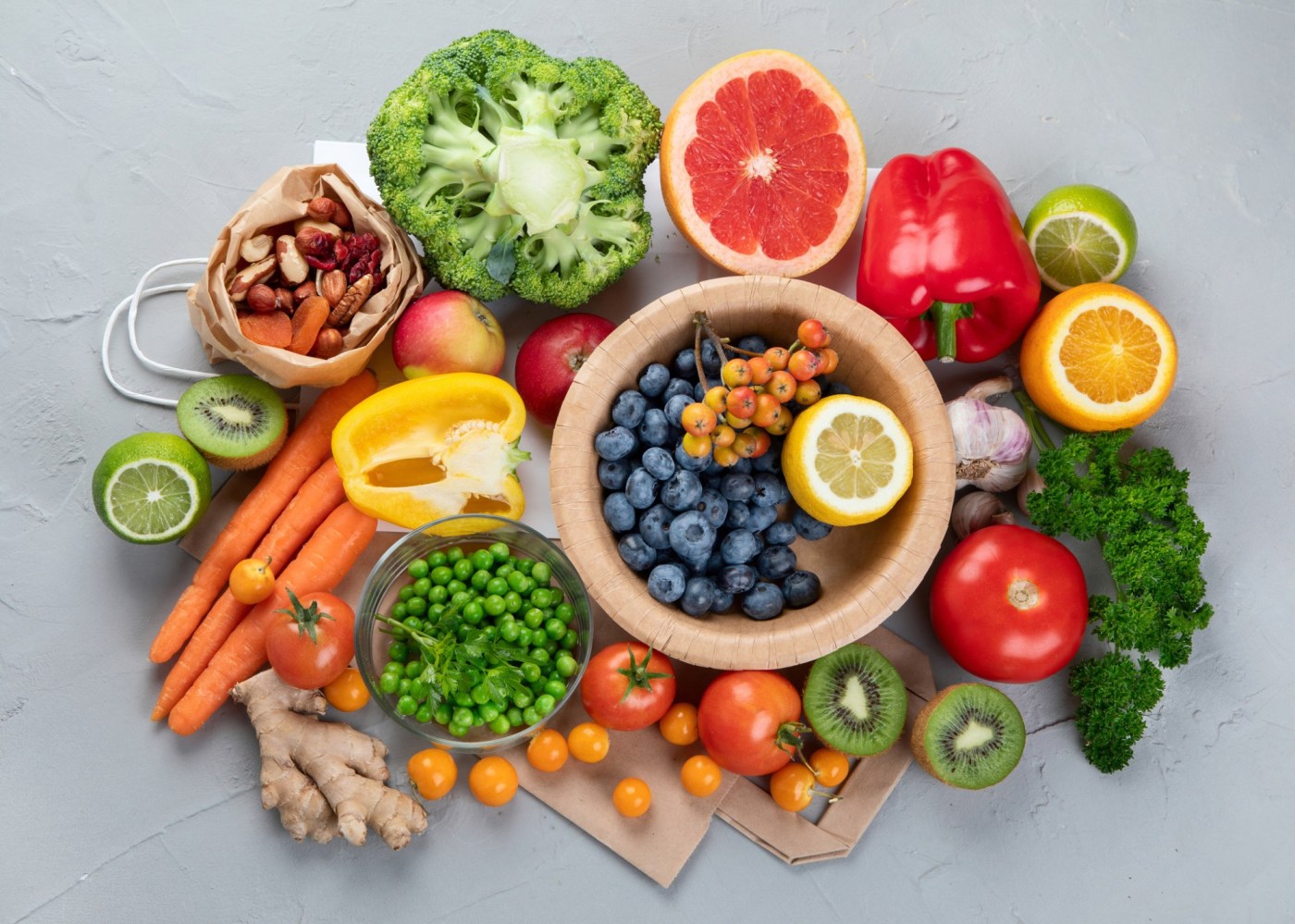
UPDATE: New guidance released indicates that many American adults are falling short on essential Vitamin C intake, critical for immune function and skin health, especially during the winter months. Authorities emphasize the importance of incorporating Vitamin C-rich foods into daily diets as flu season intensifies.
Vitamin C is not just a seasonal nutrient; it plays a vital role in supporting the immune system, enhancing collagen production, and acting as a powerful antioxidant. Yet, alarming reports show that a significant portion of the population may not be consuming the recommended amounts of this crucial nutrient.
Current recommendations suggest that women need 75 mg and men require 90 mg of Vitamin C daily. Smokers should consider even higher intakes due to increased oxidative stress. Despite its availability in various fruits and vegetables, many individuals are still under-consuming this essential vitamin.
The impact of Vitamin C extends beyond just preventing colds. Research indicates that adequate Vitamin C intake can potentially reduce the duration and severity of cold symptoms, making it all the more urgent to boost consumption during this peak season.
Experts, including registered dietitian LeeAnn Weintraub, MPH, RD, underscore the need for practical strategies to enhance Vitamin C levels. Here are four immediate, actionable tips that everyone should adopt:
1. **Incorporate More Citrus**: Snack on oranges, grapefruits, and tangerines. Their vibrant flavors not only add zest to meals but also provide a significant Vitamin C boost.
2. **Add Bell Peppers**: These colorful vegetables are versatile and can be easily added to salads, stir-fries, and even enjoyed raw with hummus. Just one cup of chopped red bell pepper contains about 190 mg of Vitamin C, surpassing the daily requirement.
3. **Enjoy a Variety of Fruits**: Include fruits like kiwi, strawberries, and pineapple in your breakfast or snacks. These fruits are not only delicious but also rich in antioxidants and other beneficial nutrients.
4. **Choose Vitamin-C-Rich Vegetables**: Make broccoli, Brussels sprouts, and spinach staples in your diet. These are not only healthy but can easily be integrated into various dishes.
This January, as dry winter air and post-holiday stress can negatively impact skin and health, ensuring adequate Vitamin C intake becomes crucial. The nutrient supports skin repair and helps maintain elasticity, which is especially relevant during these harsh weather conditions.
As health experts continue to stress the importance of nutrition for overall well-being, now is the time to act. By integrating these Vitamin C-rich foods into your meals, you support not just your immune health but also your skin and overall vitality.
Stay informed and prioritize your health this winter season. For further guidance and nutrition counseling, you can reach out to LeeAnn Weintraub, MPH, RD, at [email protected].
Don’t wait—start boosting your Vitamin C today for better health tomorrow!