UPDATE: The situation in Sudan is escalating, as reports confirm the increasing influence of the Muslim Brotherhood within the Sudanese Armed Forces (SAF). This development presents a critical challenge to U.S. policy, which has designated similar groups in the region as terrorist organizations.
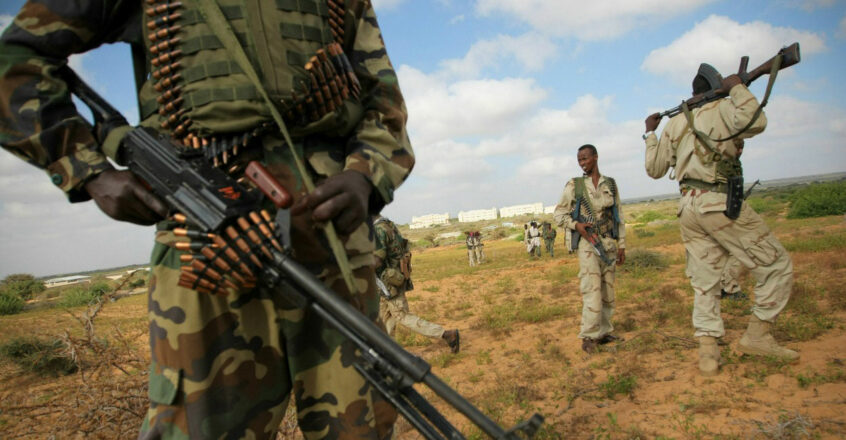
The ongoing civil war in Sudan, primarily between the SAF and the Rapid Support Forces (RSF), is now overshadowed by the Brotherhood’s growing control over military structures. The SAF, under the leadership of General Abdel Fattah al-Burhan, has become a vehicle for Islamist interests, undermining democratic efforts and peace negotiations.
This troubling shift comes as the international community grapples with the implications of treating the SAF as a conventional military force. Recent data reveals that thousands of former regime Islamists have joined the SAF, complicating humanitarian efforts and peace initiatives. The atrocities committed by the SAF against non-Arab ethnicities have been reported widely, with the U.S. Treasury already sanctioning militia groups for egregious human rights violations.
In late 2025, disturbing accounts emerged of the SAF’s violent tactics, including the dumping of bodies into waterways and the use of starvation as a military strategy. The urgency of reforming U.S. engagement strategies has never been clearer, as continued support for the SAF risks empowering the very actors obstructing peace and democratic reform.
The Civil Democratic Alliance for Revolutionary Forces, known as Somoud, has publicly condemned the SAF and its Islamist factions, calling for international support to foster a democratic transition. Similarly, the Sudan Founding Alliance (Tasis) is advocating for an inclusive, secular, and democratic Sudan, highlighting the need for a shift in international support.
As the U.S. and its allies consider their next steps, the implications of their actions weigh heavily on Sudan’s future. The entrenchment of figures like Ali Karti and Ahmed Haroun, who are deeply embedded in the SAF command structure, poses a significant obstacle to any potential peace process.
The international community must confront a stark reality: if the SAF continues to operate under the influence of the Muslim Brotherhood, the prospects for a democratic Sudan remain bleak. Continued legitimacy for leaders aligned with the Brotherhood could ultimately undermine the very initiatives aimed at restoring democracy.
As this crisis unfolds, the urgency for a coherent and principled international response has never been more pressing. The world watches closely as Sudan stands at a crossroads, with the potential for either deepening conflict or a fragile path toward democracy. The choices made in the coming days will be crucial for the future of Sudan and its people.