UPDATE: A critical deadline approaches as Congress struggles to address a staggering surge in health care costs. With enhanced tax credits under the Affordable Care Act set to expire on December 31, 2023, urgent action is needed now as Americans face premium increases of up to 300%.
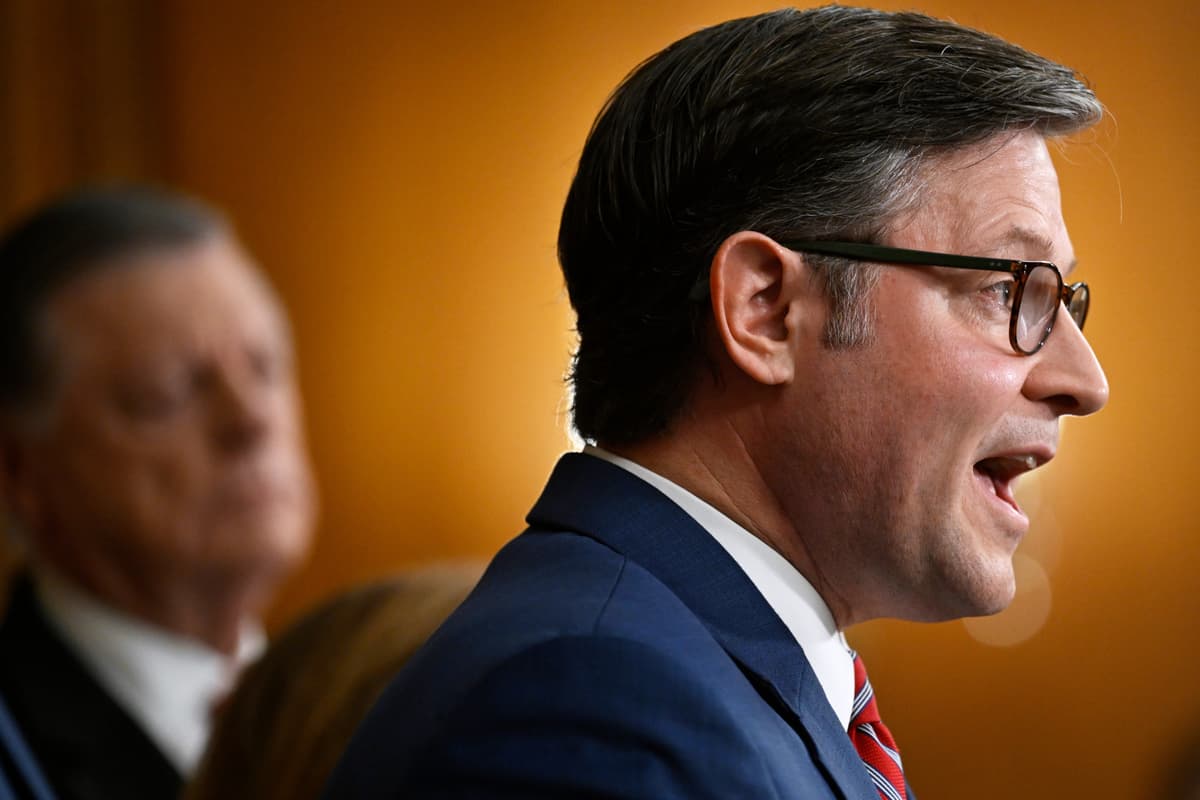
Speaker Mike Johnson has repeatedly emphasized that tackling rising health care expenses is a priority, yet it appears Congress will likely fail to reach a solution before the end-of-year deadline. Despite attempts by Democrats to leverage the recent government shutdown to negotiate health care subsidies, progress has stalled. A small coalition of lawmakers managed to reopen the government, but the path forward remains unclear.
Senator John Thune assured Democrats they could introduce a proposal to extend tax credits before the deadline; however, a clean extension pushed by Senate Democrats is anticipated to face significant opposition in the Republican-controlled Senate. Concurrently, a bipartisan group of 35 House lawmakers rallied on Capitol Hill to push for a proposal that would extend these crucial subsidies for at least two more years.
If their plan is enacted, it would impose a lower income cap for subsidy eligibility and introduce a phase-out for incomes exceeding 600% of the federal poverty line. Additionally, the bill aims to extend open enrollment until next spring and address inflated prescription drug prices by targeting middlemen profiting from the system.
“We have a responsibility before the end of the year to pass a bill that will address the issue of health care costs in this country,” Congressman Mike Lawler stated emphatically during the rally. “This group is coming together today to say to our leadership on both sides: Enough.”
Facing increasing pressure, Speaker Johnson is caught between a rising tide of bipartisan concern and the hardline stance of the House Freedom Caucus, which has openly dismissed the idea of extending Affordable Care Act subsidies. They argue these adjustments were meant to be temporary and highlight that expanded ACA tax credits have inadvertently allowed higher-income Americans to access taxpayer-funded assistance.
Former President Donald Trump has not engaged in substantial negotiations regarding these subsidies, further complicating matters. Instead, Congressman Kevin Kiley warned that “doing nothing is not an option,” as up to 22 million Americans may face drastic increases in their health care costs if Congress fails to act.
Kiley criticized the House leadership for prolonged absences, stating, “This has not exactly been the finest hour for the U.S. House of Representatives.” With only two weeks left before Congress breaks for the holidays, lawmakers are racing against the clock to find a workable solution.
The growing bipartisan coalition in the House represents a crucial effort to break the deadlock and prioritize the needs of millions of Americans facing healthcare affordability crises. As the clock ticks down to the end of the year, all eyes are on Capitol Hill to see if a meaningful compromise can emerge before it’s too late.
Stay tuned for updates on this developing story that could have significant implications for health care costs across the nation.