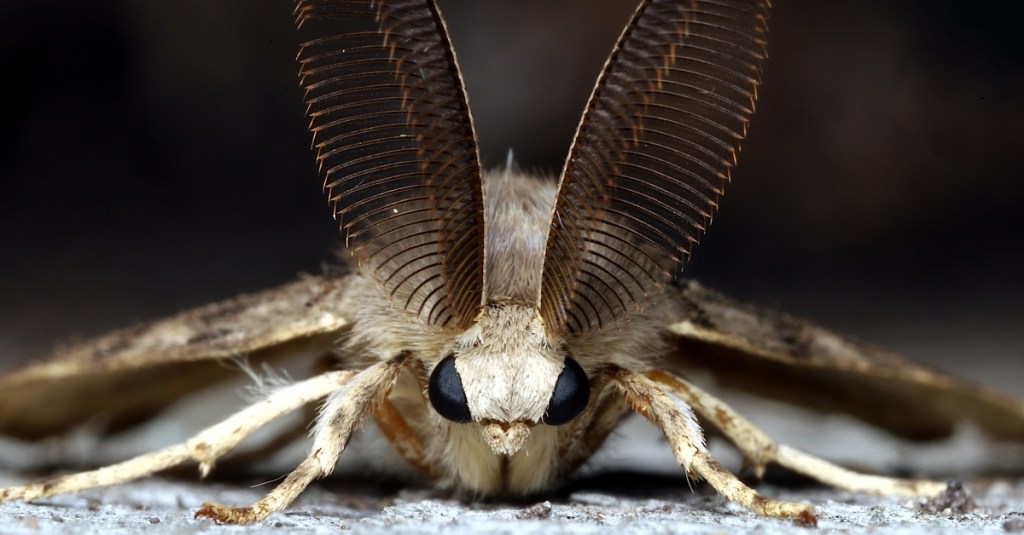
BREAKING: In a startling new discovery, researchers have captured video evidence of moths in Vermont drinking tears from a moose. This unusual behavior, known as lachryphagy, was documented on June 19, 2024, at 1:44 AM to 1:48 AM in the Green Mountain National Forest.
Trail cameras recorded 80 images of these moths clustered around a male moose, marking a significant addition to the study of animal behavior. This is the first documented instance of moths engaging in tear-drinking in cold-weather regions, expanding the known range of this behavior beyond tropical zones.
Why does this matter? Lachryphagy is a rare phenomenon typically observed in warmer climates, where butterflies and moths have been seen sipping tears from larger animals, such as turtles and crocodiles. The study, published in Ecosphere and highlighted by Scientific American, suggests that moths may drink tears to supplement their nutrient intake, particularly sodium and minerals.
The researchers believe these moths likely belong to the Geometridae family, based on their physical characteristics. Despite being a peculiar behavior, researchers caution that it could pose risks. They note that tick-feeding insects could potentially spread diseases such as keratoconjunctivitis, which could harm moose populations. However, current data indicates that moths have not been documented to transmit diseases through tear-drinking.
This unique observation adds to the ongoing fascination with animal behaviors and their adaptations to environments. The findings emphasize how little we know about wildlife interactions in less explored regions like Vermont. As researchers continue to analyze the implications of this behavior, it raises questions about the ecological dynamics between species.
Stay tuned for further updates on this intriguing discovery as researchers delve deeper into the mysteries of these fascinating moths and their interactions with moose. This is a developing story that highlights the unexpected connections in nature—one that will surely captivate animal lovers and researchers alike.