UPDATE: A political deadlock in Congress has triggered widespread disruptions across the United States, causing significant delays and inconveniences for travelers and government employees. As the nation grapples with the fallout from this month’s shutdown, it parallels the dire conditions faced by impoverished Cubans, highlighting urgent governance failures at home and abroad.
Just last week, a mission trip to rural Cuba by a Dallas resident’s daughter exposed the stark realities of life under a struggling communist regime. Impoverished Cubans endure electricity shortages, receiving power for only two to three hours per day. This means families must spring into action at unexpected times to prepare basic meals of rice and beans, showcasing a heartbreaking struggle for basic necessities.
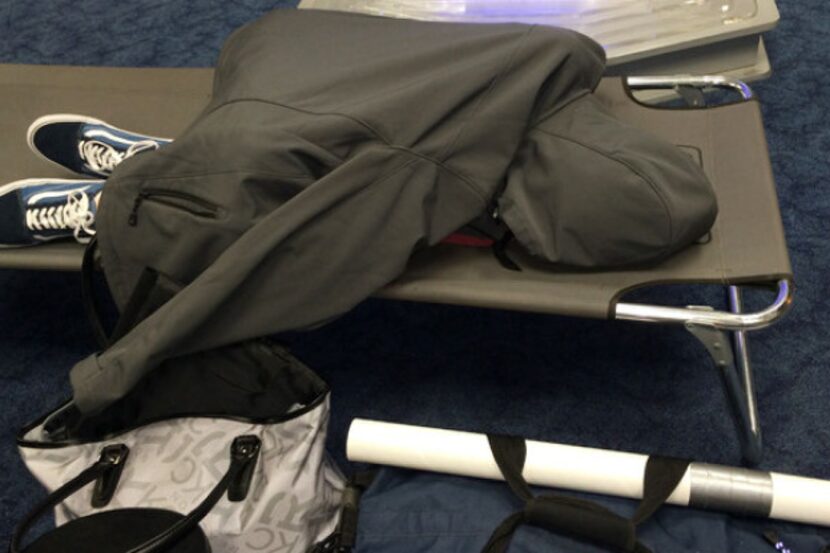
In a stunning comparison, while Cuba faces a humanitarian crisis, American citizens are experiencing the consequences of a partisan stalemate in Congress over federal spending, causing flight cancellations and delays. The recent shutdown, which has now ended, forced travelers to sleep on benches in airports like Memphis, as they faced connections disrupted due to the ongoing political impasse.
Officials report that the national debt has surged to unprecedented levels, complicating any consensus on fiscal responsibility. With 535 members of Congress failing to agree on spending priorities, the implications are felt nationwide. Citizens are left feeling the repercussions of this incompetence, as government workers are often asked to work without pay, and crucial services are disrupted.
“Let them eat cake!”
echoes the sentiment of frustration as citizens miss flights and important events, reflecting a disconnect between lawmakers and the public they serve. The analogy draws parallels with the past, as both wealthy and impoverished nations grapple with leadership that lacks accountability.
This month marks the ongoing struggle to address the Social Security and Medicare programs, which were intended to be self-sustaining. With life expectancy now at 78.4 years, Congress has failed to make necessary adjustments to these programs, leaving future fiscal stability in jeopardy. The last major reform to Social Security dates back to August 14, 1935, and as the landscape changes, so too must legislative action.
As the government prepares for potential shutdowns in January, citizens must hold their representatives accountable. The urgency of this situation cannot be overstated; the time for change is now. The American public must demand responsible financial management from their leaders to ensure that the needs of the people are prioritized.
For now, the government has reopened, but the looming threat of another shutdown remains. The public must stay vigilant, advocating for accountability to prevent further disruptions and to ensure equitable access to resources. As John Whitmore Jenkins, author of “Looking Through a Glass Darkly,” emphasizes, “We the People” must exercise our civic responsibility to demand better governance.
This developing story highlights the interconnectedness of global governance and the immediate impact on citizens’ lives, emphasizing the need for urgent reforms in both the United States and abroad.