URGENT UPDATE: A new climate report highlights a severe warning for humanity: without snow and ice, our planet faces catastrophic consequences. Just this week, the Northeast US experienced record-breaking snowfalls, with Vermont’s Jay Peak ski resort receiving an astonishing 349 inches of snow, marking the highest levels since the 1980s. Meanwhile, Lake Champlain has frozen for the first time since 2019. Meteorologists have dubbed this week’s weather pattern a “winter hurricane,” bringing up to three feet of snow across several states from Delaware to New Hampshire.
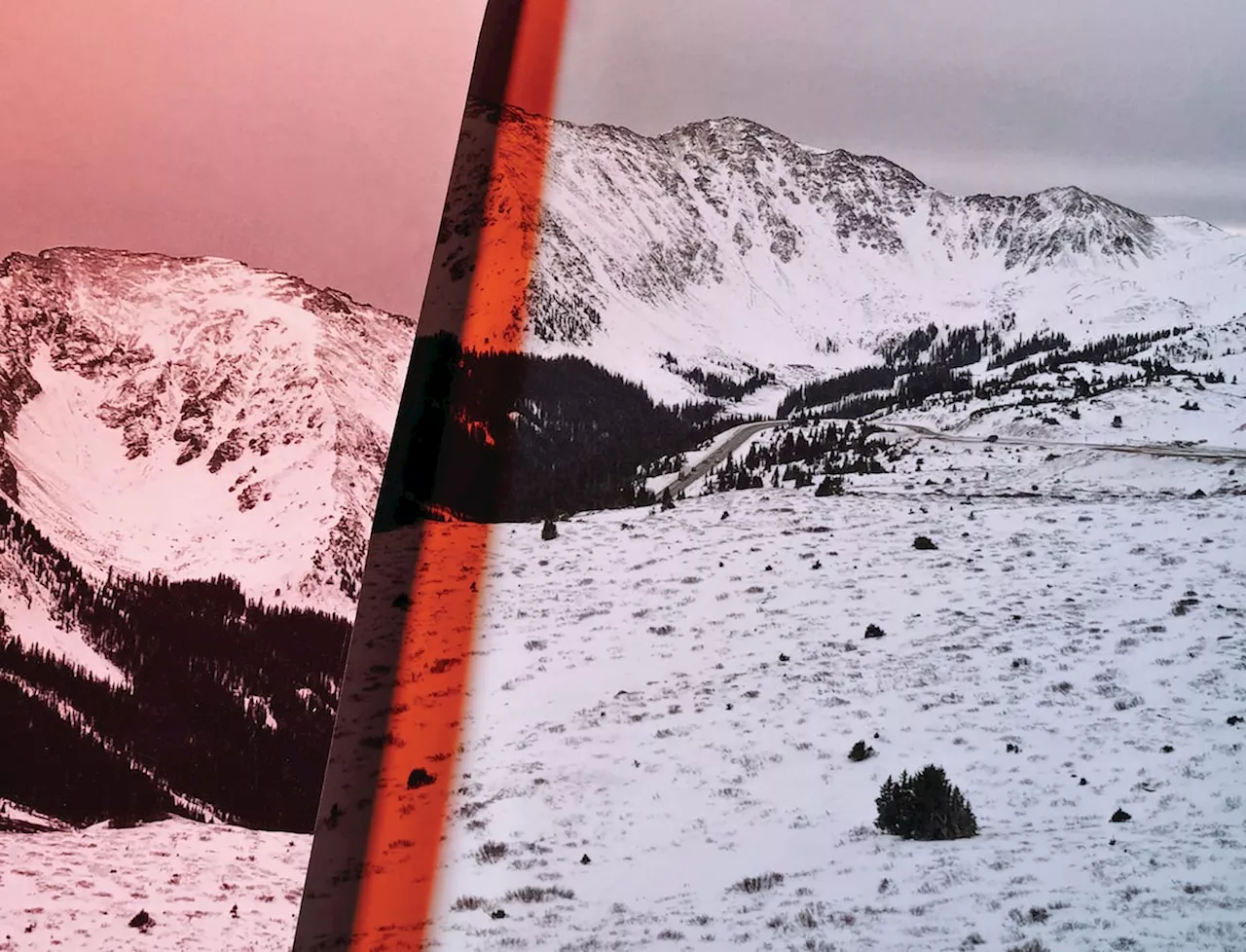
This dramatic winter weather is not just a winter wonderland for snow lovers. It serves as a critical reminder of the vital role that snow and ice play in regulating our planet’s climate. Snow’s reflective surface helps return up to 80 percent of solar energy back into space, cooling the Earth. However, as humanity continues to emit greenhouse gases, we risk melting these essential ice caps and snowpacks, leaving ourselves exposed to the sun’s heat.
The implications are alarming. The Arctic region, with its vast frozen tundra, holds nine million square miles of methane-rich permafrost. As this ice melts, it releases massive amounts of carbon into the atmosphere, drastically increasing global temperatures. Additionally, the rapid melting of polar ice threatens to raise sea levels significantly, endangering coastal communities worldwide.
Recent data reveals that North America has lost 46 metric gigatons of snow per decade over the past 39 years. Projections indicate that by 2050, winter lengths at U.S. ski resorts could decline by more than 50 percent, with a staggering 80 percent reduction by 2090. This loss of winter not only disrupts recreational activities but also threatens vital ecosystems and water supplies.
Mountain glaciers, often referred to as the world’s water towers, are essential for providing fresh water to over two billion people. However, rapid melting in regions like the Alps and the Tibetan Plateau is depleting rivers crucial for agriculture and electricity generation. The ongoing climate crisis is reshaping not only weather patterns but also the very foundations of human survival.
NEXT STEPS: As the world grapples with these changes, it is imperative for governments to implement deeper reductions in greenhouse gas emissions. Without immediate and substantial action, the winter weather that many cherish today could become a distant memory, severely impacting global communities.
This urgent call to action stresses the importance of recognizing the interconnectedness of our climate systems and the dire need for collective efforts to mitigate climate change. The time to act is NOW, as our planet’s delicate balance hangs in the balance.