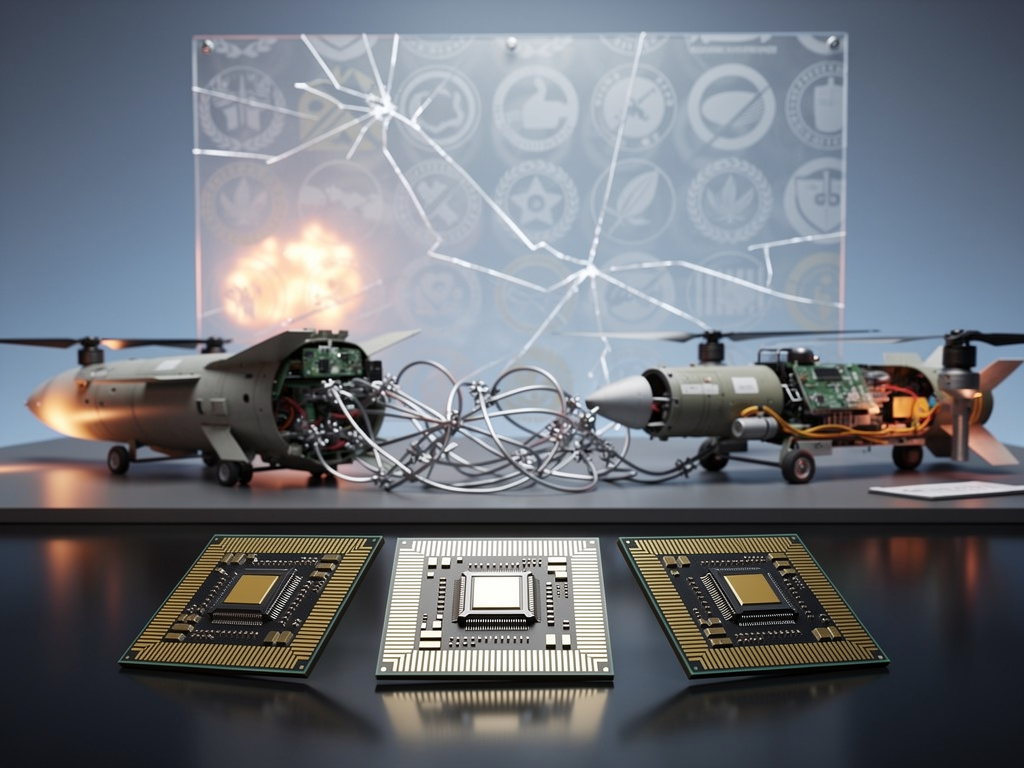
URGENT UPDATE: New lawsuits have been filed against semiconductor giants Intel Corp., Advanced Micro Devices Inc. (AMD), and Texas Instruments Inc., accusing them of enabling Russia’s military by supplying chips used in missiles and drones targeting Ukrainian civilians. This pivotal legal action, initiated by attorney Mikal Watts on behalf of dozens of victims, underscores serious allegations of corporate negligence amid ongoing geopolitical tensions.
The lawsuits assert that despite stringent U.S. sanctions following Russia’s 2022 invasion of Ukraine, technology from these American firms continues to power deadly weaponry. According to court documents, components from Intel and AMD were allegedly utilized in Russian KH-101 cruise missiles and Iranian-made drones, leading to tragic attacks on civilians in Ukraine.
Reports indicate that these allegations reveal a troubling pattern of sanctions evasion, where intermediary countries such as Turkey and Hong Kong facilitate the illicit flow of restricted goods. Despite U.S. regulations prohibiting exports to Russia without licenses, critics claim that Intel and AMD failed to adequately vet their distribution networks, allowing their chips to be rerouted for military purposes.
A shocking report from Bloomberg highlights specific incidents between 2023 and 2025, including missile strikes that utilized technology from these firms. Social media discussions have intensified scrutiny, with users sharing insights regarding ongoing chip flows to Russia, reflecting public concern over corporate accountability.
Both Intel and AMD have publicly denied any wrongdoing, asserting their compliance with sanctions. Intel emphasized its suspension of shipments to Russia since 2022, while AMD pointed to cooperation with U.S. authorities. However, the lawsuits demand not only compensation for victims—estimated in the millions—but also systemic changes to enhance supply chain transparency.
As investigations unfold, industry experts warn that the complexities of modern supply chains make oversight exceedingly challenging. U.S. regulations require companies to perform due diligence on end-users, yet the sheer volume of transactions complicates compliance efforts. Investigative analysis suggests that smuggling operations may have generated hundreds of millions in illicit imports to Russia, despite a reported decline in official channels.
The emotional impact of these allegations is profound. Victims’ stories, including the devastating missile strike on a Kyiv apartment block in 2024 that killed 15 individuals, underscore the human cost of these corporate actions. The narratives shared in media outlets highlight the urgent need for accountability as these lawsuits progress.
As the situation develops, stock prices for Intel and AMD have already seen a decline, reflecting investor anxiety over potential legal repercussions and reputational damage. Financial analysts speculate that these incidents could lead to tighter export controls, particularly concerning emerging technologies.
Beyond the courtroom, the ramifications extend into international relations. The Ukrainian government has long advocated for stricter enforcement of sanctions, with officials highlighting the need for accountability from tech companies. The persistent flow of chips to Russia raises critical questions about the effectiveness of current regulatory frameworks.
With trials on the horizon, the tech industry faces heightened scrutiny. Experts suggest that companies must integrate risk management strategies into their operations to prevent future breaches. The lawsuits serve as a clarion call for greater corporate responsibility, emphasizing the need for technological safeguards that prioritize ethical considerations.
As the world watches these developments unfold, the outcomes of these lawsuits could reshape the relationship between technology and global security. The stakes are high, and the tech industry’s self-image as a force for good is now under intense examination. As one expert noted, the real test lies in whether these lawsuits will catalyze genuine reform or remain mere symbolic gestures in the face of pressing geopolitical challenges.