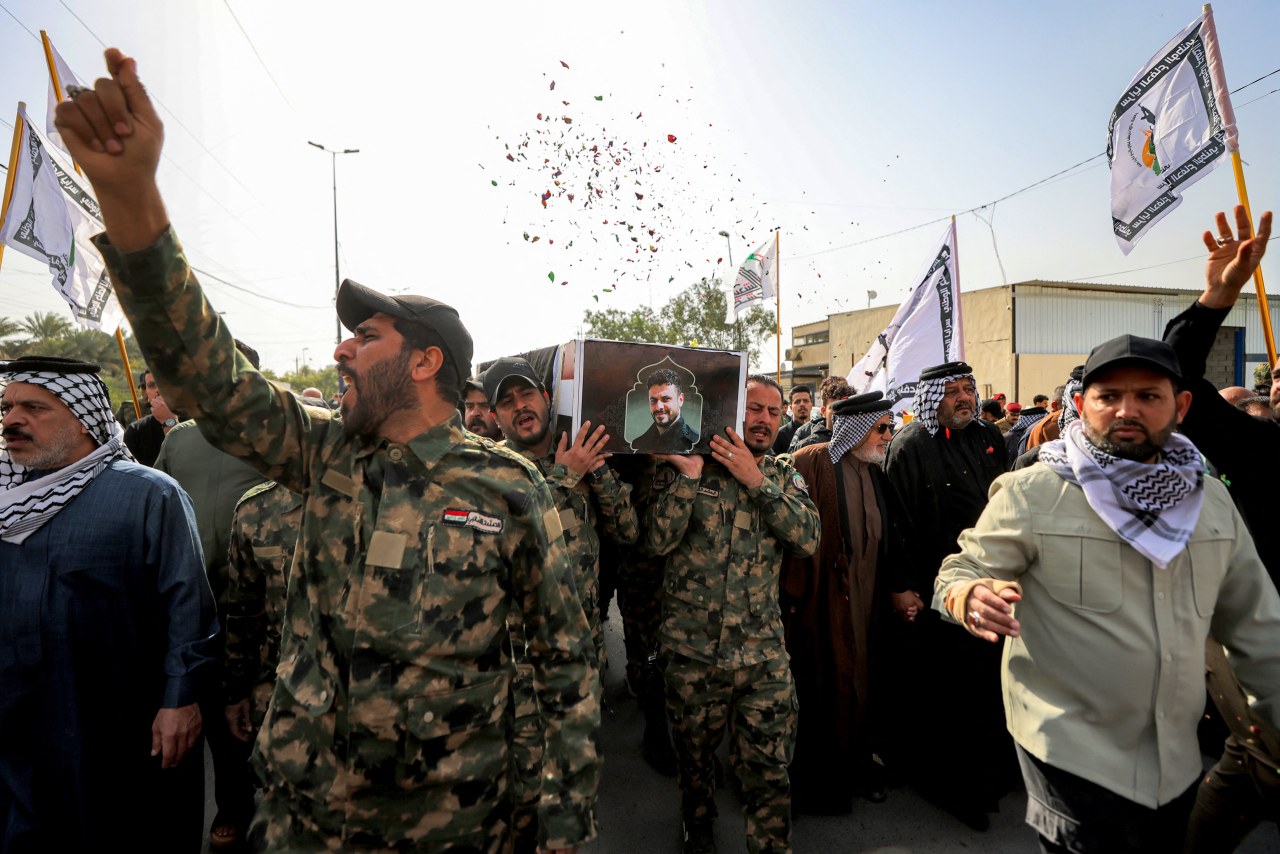
Tensions in Iraq have escalated as U.S. forces intensify operations targeting Iranian-backed militias. This development comes in response to a series of attacks attributed to these groups, which have raised security concerns in the region. The Pentagon confirmed that these militias have carried out over 30 attacks against U.S. interests in recent months, prompting a decisive military response.
The U.S. has identified specific militias, including factions within Al-Hashd Al-Shaabi, as responsible for these assaults. These groups, which have been implicated in numerous rocket attacks, are seen as extensions of Iranian influence in Iraq. U.S. officials assert that the operations aim not only to protect American personnel but also to deter further aggression from Tehran’s proxies.
Strategic Implications of U.S. Actions
The renewed focus on militias in Iraq highlights a significant shift in U.S. military strategy. According to the Pentagon, the operations are designed to disrupt the operational capabilities of these militias and diminish their capacity to coordinate attacks. This approach marks a change from previous tactics that emphasized a more hands-off stance regarding local conflicts.
The situation is particularly complex in Iraq, where U.S. forces have played a critical role in the fight against the Islamic State group. However, the presence of Iranian-affiliated militias complicates the security landscape. The U.S. aims to reassure its allies in the region that it remains committed to countering Iranian influence while ensuring the safety of its military personnel.
Recent reports indicate that the U.S. military has conducted targeted airstrikes against militia positions in Baghdad and surrounding areas. Local sources claim that these strikes have resulted in significant damage to militia infrastructure, although details on casualties remain unclear.
Reactions and Future Outlook
Reactions to the U.S. operations have been mixed. Iraqi government officials have expressed concern over the potential for increased violence, while some factions within the militias have vowed to retaliate. The fear is that these actions could ignite a broader conflict, drawing in regional powers and further destabilizing Iraq.
The ongoing situation is under close watch by international observers. Analysts suggest that the U.S. will need to balance military action with diplomatic efforts to prevent a full-scale escalation. As of now, the U.S. remains committed to defending its interests while navigating the intricate web of alliances and hostilities in Iraq.
With these developments unfolding, the international community continues to monitor the situation closely. The implications of the U.S. military’s renewed engagement in Iraq will likely resonate across the region, influencing both local and global dynamics.