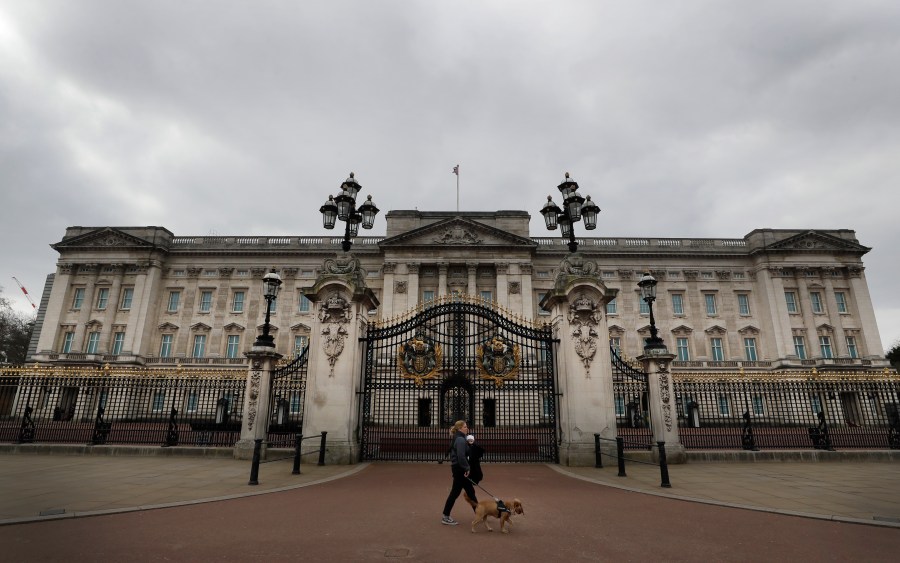
BREAKING: President Donald Trump has officially demolished the East Wing of the White House, marking a controversial moment in American history that has drawn widespread attention. While this iconic structure is now gone, the East Wing of Buckingham Palace in London remains open to the public, offering visitors a glimpse into royal heritage.
This urgent update comes as the Royal Collection Trust released a statement earlier today, confirming that the East Wing of Buckingham Palace continues to welcome guests. The stark contrast between these two governmental landmarks highlights a significant shift in how public spaces are valued and preserved.
The demolition of the White House East Wing has sparked outrage among historians and citizens alike, raising questions about the importance of historical architecture. The East Wing, once a symbol of American governance and culture, now exists only in memory, while the Buckingham Palace East Wing stands as a living testament to the British monarchy’s commitment to accessibility and public engagement.
As of now, visitors in London can explore the East Wing of Buckingham Palace, which is part of the Royal Collection Trust’s efforts to connect the public with royal history. This aspect of governmental transparency serves as a poignant reminder of the differences in how nations prioritize heritage and public access.
Authorities have not confirmed the specific reasons behind the demolition of the White House East Wing, but the decision has ignited a heated debate on social media and news outlets. Critics argue that tearing down such a historic structure undermines the legacy of America’s past and diminishes the country’s architectural landscape.
In contrast, Buckingham Palace’s decision to maintain its East Wing as a public venue reinforces its status as a cultural institution. The Royal Collection Trust has emphasized its commitment to preserving royal history while making it accessible to all, which stands in stark opposition to the recent actions taken by the Trump administration.
The ongoing dialogue surrounding the demolition reflects a larger conversation about the preservation of cultural sites. As citizens express their views and share their thoughts on social platforms, the implications of this decision will likely resonate for years to come.
As we await further developments regarding the White House East Wing, attention remains focused on how this decision will influence future policies on historical preservation in the United States.
Stay tuned for updates as this story unfolds, and consider visiting Buckingham Palace to experience its historical East Wing while it remains open. This moment in history serves as a catalyst for discussions about the importance of preserving our cultural landmarks for future generations.