President Donald Trump revealed on Saturday that Iran is willing to negotiate a deal to end the ongoing conflict, but he is hesitant to proceed due to the proposed terms he deems unsatisfactory. In a detailed conversation with NBC News, Trump emphasized that any agreement with Tehran must meet stringent criteria before he will consider concluding the US-Israel military campaign.
During the 30-minute interview, Trump expressed skepticism regarding the leadership in Iran, specifically questioning whether the new Supreme Leader, Mojtaba Khamenei, remains alive. He stated, “Iran wants to make a deal, and I don’t want to make it because the terms aren’t good enough yet.” Trump highlighted that any potential agreement would necessitate Iran’s complete renunciation of its nuclear ambitions.
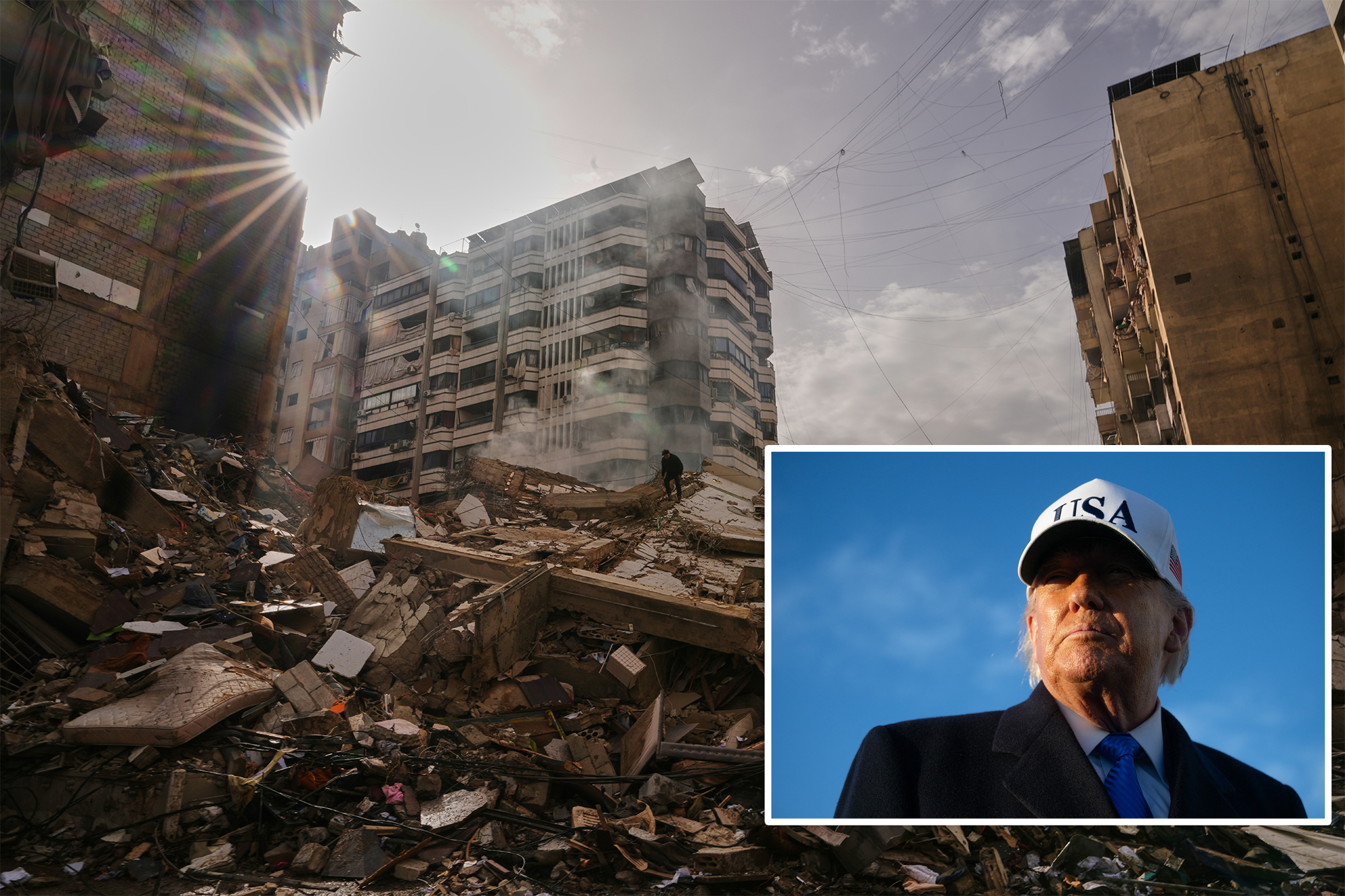
Trump elaborated on Iran’s military capabilities, suggesting that their primary power lies in limited offensive tools such as short-range missiles. He argued, “The only power they have, and it’s a power that can be closed off relatively quickly, is the power of dropping a mine or shooting a relatively short-range missile.” He claimed that the United States has significantly diminished Iran’s military strength, noting, “We’ve knocked out most of their missiles. We’ve knocked out most of their drones. We knocked out their manufacturing of missiles and drones, largely. Within two days, it’ll be totally decimated.”
Military Context and Negotiation Stance
Trump’s remarks come at a time of heightened tensions in the region, with the US and Israel actively engaging in military operations aimed at curtailing Iran’s influence. The President’s firm stance on the negotiations reflects broader concerns about Iran’s potential nuclear capabilities and the implications for regional stability.
While Trump acknowledges Iran’s interest in reaching a deal, he remains resolute in his position that any agreement must be comprehensive and robust. The insistence on a “very solid” deal underscores the strategic priorities of the US administration as they navigate the complexities of foreign diplomacy.
The ongoing discussions about Iran’s military capabilities and nuclear ambitions have significant implications for international relations. Trump’s comments highlight the delicate balance between diplomacy and military readiness, as the US seeks to deter any threats while also exploring avenues for peace.
As the situation continues to evolve, the international community will be closely monitoring the dialogues between the US and Iran, particularly the conditions under which any potential deal may be reached. The outcome of these negotiations could have far-reaching effects on geopolitical dynamics in the Middle East and beyond.