UPDATE: A controversial move by Senate Republicans to allow compensation for members whose phone records were collected during the January 6 investigation has ignited a firestorm of criticism. Prominent Democrat Sen. Ben Ray Luján (D-NM) condemned the proposal, stating it “stinks like sh––” and undermines public trust in politicians.
The provision, driven by Senate Majority Leader John Thune (R-SD), was tucked into an essential government funding bill passed on November 10, 2023. It would enable senators affected by the investigation led by Special Counsel Jack Smith to claim up to $500,000 each in compensation. This move comes amid a record-breaking government shutdown and has drawn sharp bipartisan backlash.
“It’s why people across the country hate politicians,” Luján told Raw Story. He highlighted the hypocrisy of Republicans pushing to reopen the government while simultaneously seeking substantial payouts for themselves. “They sneak in more than a $500,000 payoff,” he added.
The backlash intensified after the House of Representatives, controlled by Republicans, unanimously voted to repeal the provision. Luján noted that this could translate to millions of dollars for just eight senators involved in the investigation.
“It’s stinky,” Luján expressed. “Kudos to the House Republicans for moving so quickly to address this.”
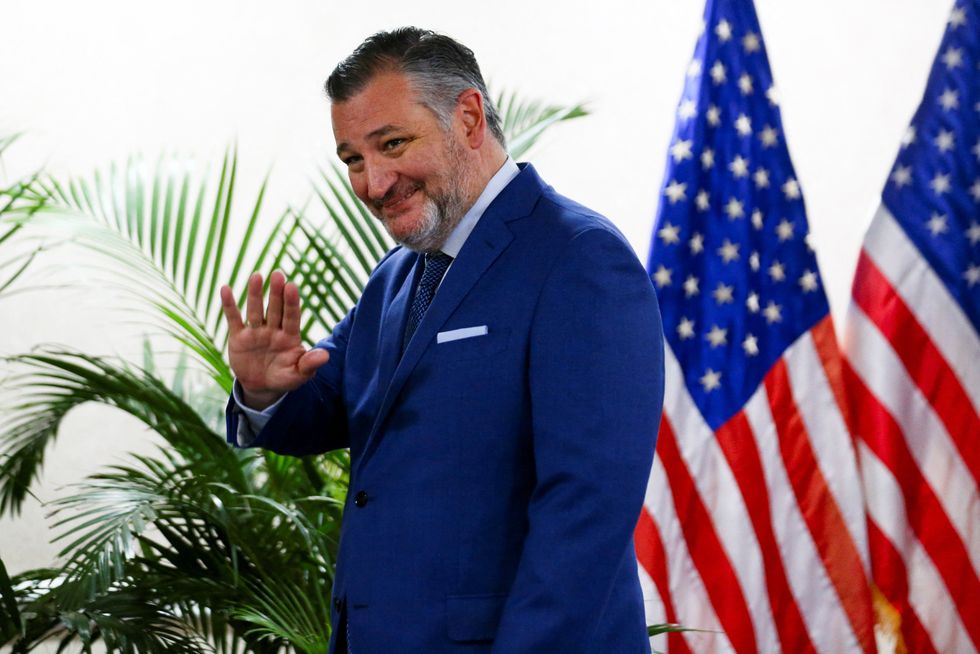
Sen. Ted Cruz (R-TX), one of the senators under scrutiny for his connections to former President Donald Trump’s efforts to overturn the 2020 election results, defended the measure. He accused the Biden administration of politicizing the Justice Department, comparing it to Watergate: “The statutory prohibition needs to have real teeth and real consequences,” Cruz stated.
However, the response from fellow Republicans has been mixed. Some senators, including Sen. Shelley Moore Capito (R-WV), admitted they were unaware of the provision when the funding bill passed. “The process may not have been the best,” Capito remarked, indicating a willingness to discuss potential amendments.
Democrats are determined to ensure the payout measure is eliminated in the upcoming legislative sessions, calling it outrageous. “It’s essentially a check for themselves for up to $500,000,” said Sen. Chris Van Hollen (D-MD). He assured that efforts were underway to overturn this provision, stressing its unacceptability.
As Congress heads into the Thanksgiving recess, the fate of this contentious provision hangs in the balance. Lawmakers are expected to revisit the issue in early December, with many anticipating a resolution in the must-pass budgetary bills of the year.
The urgency of this matter reflects broader concerns regarding government accountability and the ethical implications of lawmakers benefiting financially from their own legislative actions. With the clock ticking, all eyes are on Capitol Hill as both parties grapple with this politically charged issue.