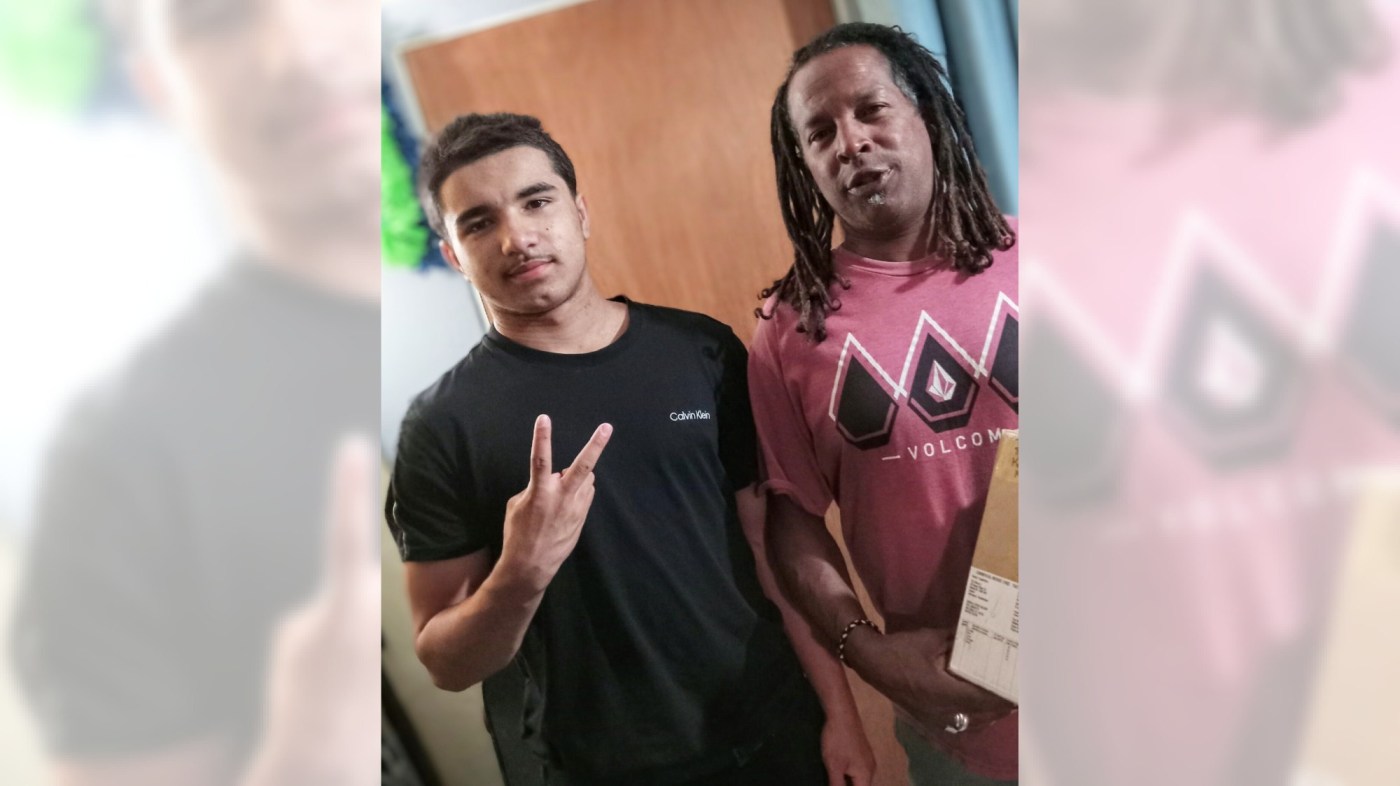
UPDATE: The San Diego City Council has just approved a staggering $30 million settlement for the family of 16-year-old Konoa Wilson, who was fatally shot by police. This ruling marks one of the largest settlements of its kind in the United States, surpassing the $27 million awarded to the family of George Floyd.
The decision came on January 28, 2025, when surveillance and body-worn camera footage revealed the harrowing moments before Wilson was killed. He was seen running from gunfire at a downtown train station when he encountered Officer Daniel Gold. According to the family’s lawsuit, Gold “instantly, without any warning,” fired two shots at Wilson, striking him in the upper body. The lawsuit emphasizes that Wilson was Black, highlighting ongoing issues of racial injustice.
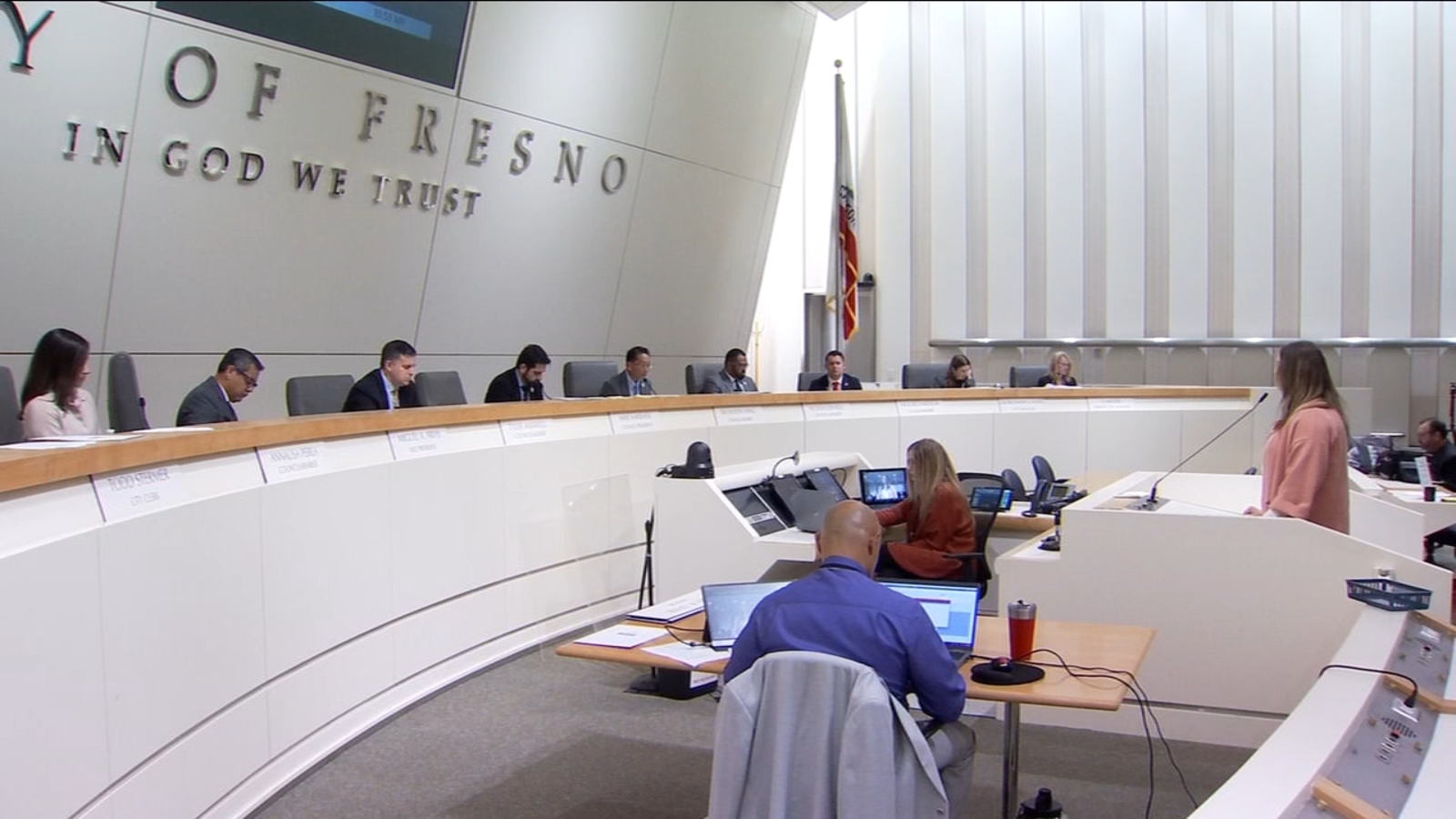
Council member Henry Foster expressed deep emotion during the discussion, sharing fears for his own son and the dangers faced by Black youth. “Kanoa’s life was taken while fleeing from gunshots, and he found himself running into the arms of a police officer. This should not have happened,” Foster stated, questioning the accountability in policing since the killing of George Floyd.
This settlement not only provides financial support to Wilson’s family but also raises urgent questions about police conduct and accountability in the United States. The city’s decision comes amidst growing calls for reform in law enforcement practices, particularly concerning the treatment of Black individuals.
The implications of this settlement resonate beyond San Diego, as communities across the nation grapple with similar issues. As the nation reflects on the legacy of George Floyd and the movements advocating for justice, this significant payout signals a potential shift in how police-related incidents are addressed legally.
Looking ahead, the city of San Diego faces increased scrutiny regarding police practices and community safety measures. Activists and community leaders are expected to rally for broader reforms, calling for systemic changes to prevent further tragedies.
As the situation develops, it is crucial for citizens to stay informed on how local governments are responding to calls for justice. The impact of this decision will likely echo through ongoing discussions about law enforcement policy and community relations.
Stay tuned for updates on this evolving story as it continues to unfold.