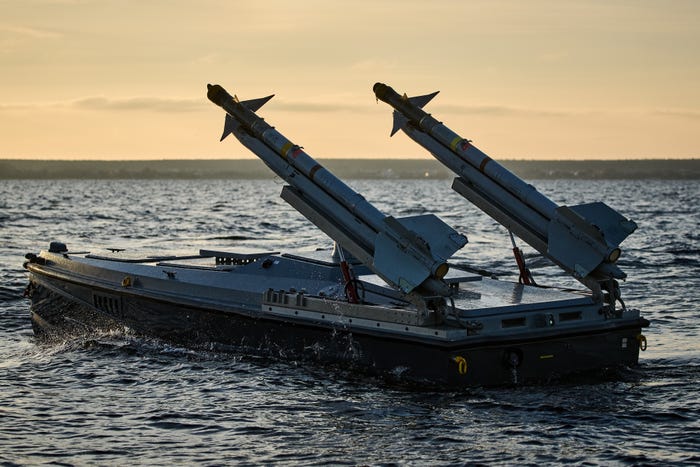
UPDATE: Russia is now steering its helicopters away from Ukraine’s naval drones, as confirmed by a special forces commander. The shift follows the growing threat posed by Ukraine’s missile-armed naval drones, which have proven to be formidable against Russian aircraft.
Commander Thirteen, who leads “Group 13” within Ukraine’s defense intelligence agency, the GUR, reported that Russian helicopters are now seen as “easy targets” for Ukraine’s advanced naval drones, including the Magura V7. This revelation comes as Ukraine continues to enhance its naval drone capabilities, effectively countering previous threats from Russian air power.
The commander noted, “After arming our naval drones with missiles, the enemy stopped using helicopters against us altogether.” His remarks were made public during a GUR showcase earlier this month and reported by Ukrainian outlet Pravda. While he did not specify when this tactical shift occurred, it underscores a significant development in Ukraine’s naval warfare strategy.
Since December 2022, when Ukraine claimed its first naval drone kill of a Russian helicopter, the nation has reported multiple successes against Russian aerial assets. The Magura V5 sea drone was credited with destroying a Russian Mi-8 helicopter, marking a pivotal moment in the ongoing conflict. As Ukraine’s naval drones evolve, they are not only targeting warships but are now effectively challenging Russian helicopters as well.
The implications of these developments are profound. Ukrainian naval drones have forced Russia to relocate its Black Sea Fleet further from Ukraine’s shores, significantly impacting Russian naval operations. As Russian helicopters have faced increasing vulnerabilities, their roles have shifted from aggressive combat to more cautious logistical and support operations.
The war has seen a dramatic evolution in aerial tactics, with both Ukraine and Russia facing mounting losses. Russian helicopters, once a critical asset for air support, are now being employed with extreme caution due to the proliferation of Ukraine’s surface-to-air missiles. Commander Thirteen stated that the naval drones were initially used mainly for explosive attacks but have since adapted to engage a broader range of targets.
Ukraine continues to innovate in naval warfare, producing a variety of sea drones, including the Sea Baby and various Magura variants, each equipped with enhanced weaponry. The ongoing conflict has seen both nations investing in naval drone technology, attracting increased attention from global military analysts regarding their strategic impact.
The evolving dynamics of drone warfare highlight the urgent need for both nations to adapt their tactics in real time. With Ukraine’s naval drones gaining dominance over Russian air patrols, the battlefield landscape is rapidly changing. As military engagements continue, the world watches closely for how these advancements will shape the future of the conflict.
As of now, the immediate focus remains on how Ukraine can leverage this newfound advantage against Russian forces. The conflict is likely to escalate as both sides reassess their strategies in light of these developments.
Stay tuned for further updates as this story unfolds, with implications that resonate far beyond the immediate battlefield.