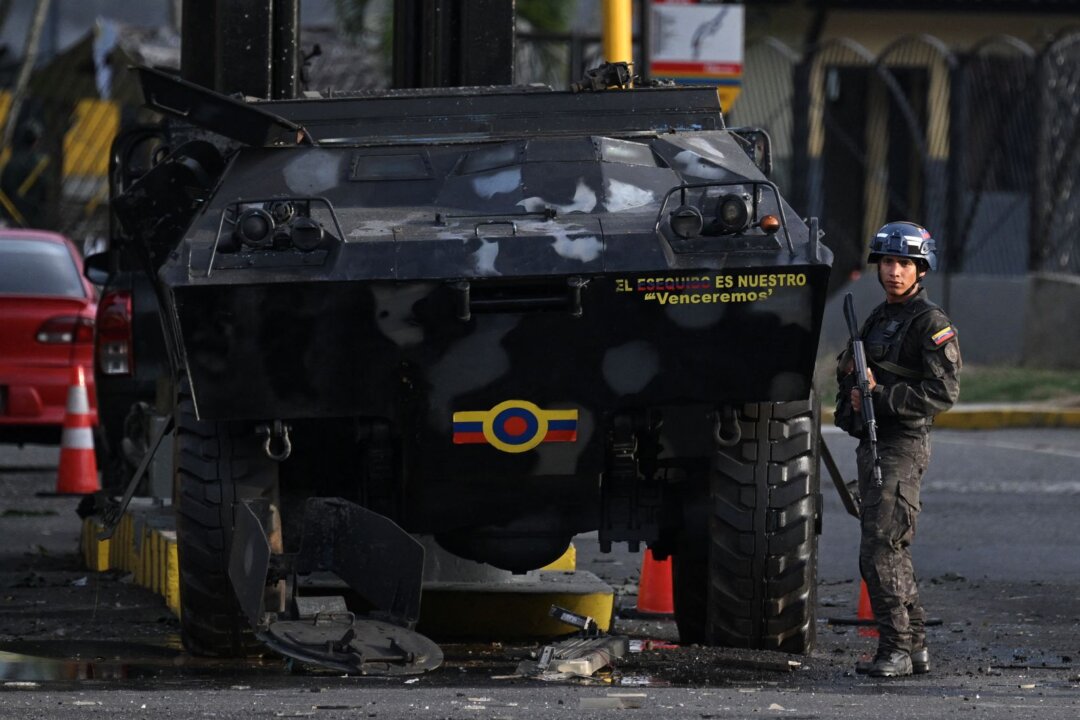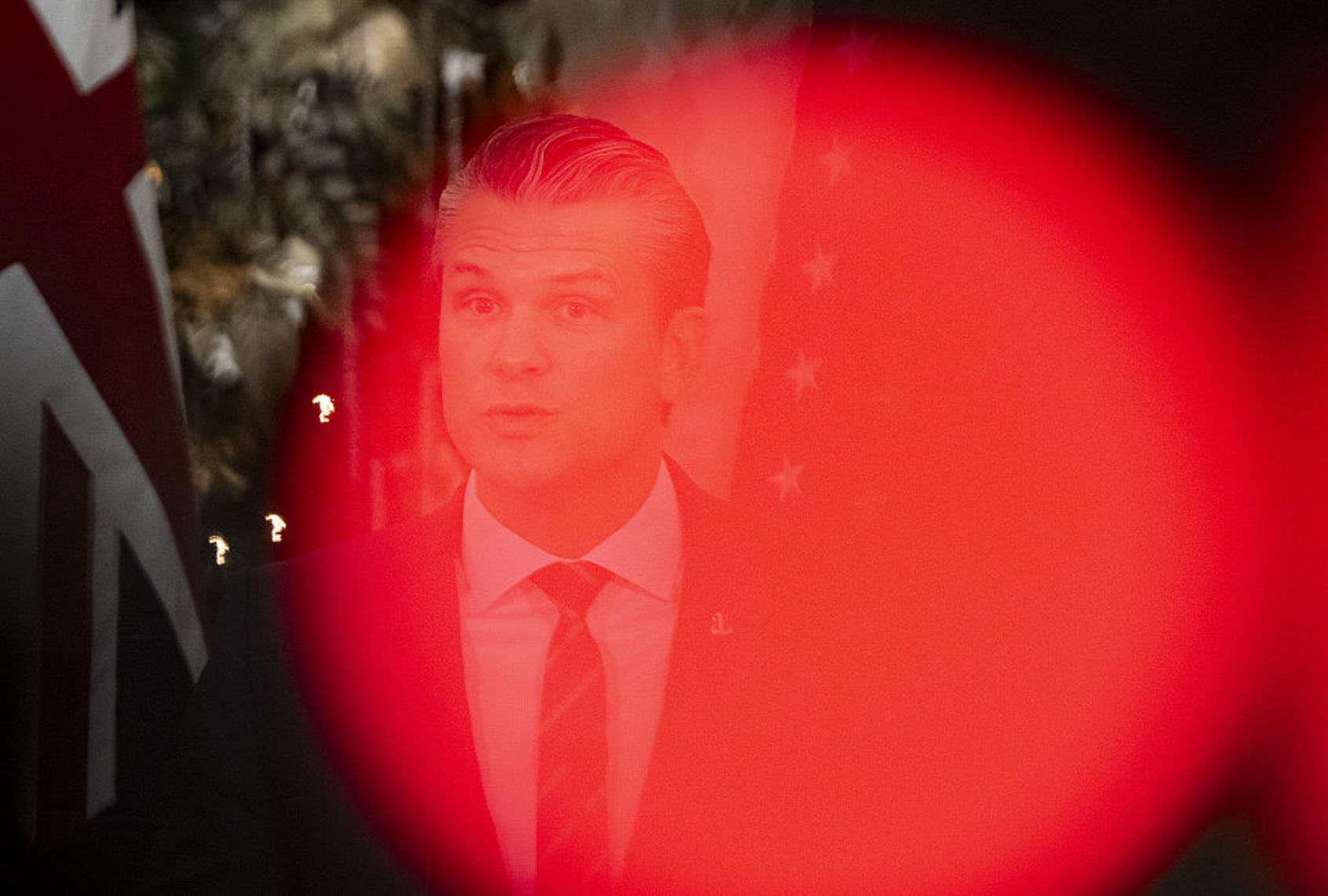
URGENT UPDATE: The Pentagon’s press landscape has drastically shifted as Secretary of Defense Pete Hegseth implements a controversial media policy that restricts journalistic access, raising alarms across the country. This development follows reports of a U.S. strike off the Venezuelan coast that left two survivors dead, and Hegseth’s alleged orders to “kill them all” are now under scrutiny.
As news broke earlier today, Donald Trump indicated he would support the release of video footage from the strike but later denied making any such commitment, labeling inquiries as “ABC fake news.” This marks a significant pivot in the ongoing debate surrounding military transparency and accountability.
The Washington Post revealed that congressional investigators are deeply concerned about the legality of Hegseth’s orders, which may violate federal law and military codes. In response, the House of Representatives passed a defense bill aimed at withholding 25% of Hegseth’s travel budget until all related videos and orders are disclosed. The legislation now heads to the Senate for further consideration.
Hegseth, confirmed narrowly by the Senate in February, has faced backlash for his aggressive stance against media access. Since assuming office, he has mandated that journalists obtain approval before publishing information, effectively creating a “media oath” that critics argue infringes on First Amendment rights.
“For generations, Pentagon reporters have provided the public with vital information,” stated the National Press Club. “This work has only been possible because reporters could seek out facts without needing government permission.”
Despite pushback from reputable news organizations, including a lawsuit filed by The New York Times, Hegseth continues to assert control over the narrative, favoring outlets aligned with the MAGA movement. In a recent press briefing, he welcomed influencers from platforms like LindellTV and Turning Point USA, sidelining experienced journalists in favor of those who have signed his restrictive pledge.
This controversial shift has profound implications for military oversight and public trust. Critics argue that Hegseth’s actions threaten the integrity of military reporting, while supporters claim they are necessary for national security.
The fallout from Hegseth’s press purge is ongoing, with the investigation into the Venezuelan strike still active. As more details emerge, the push for transparency in military operations grows louder.
NEXT STEPS: Observers are urged to monitor the Senate’s response to the defense bill and the implications of Hegseth’s new media policies. The upcoming weeks will be critical as the public demands accountability from the Pentagon in light of these alarming developments.
This situation continues to evolve, with potential repercussions for both military operations and press freedoms in the United States. Stay tuned for further updates as the story unfolds.