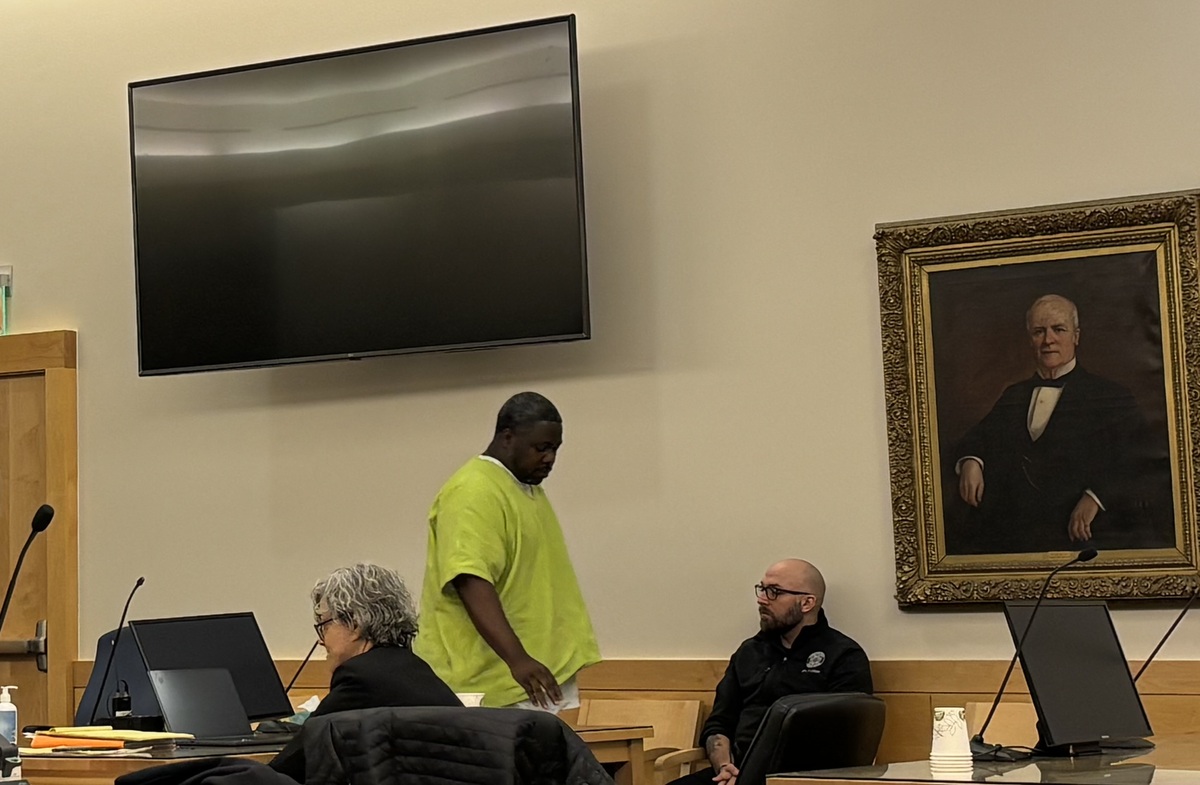
UPDATE: A North Carolina man, Christopher Murray, convicted of murder in Maine, has made shocking accusations about his former attorneys during a post-conviction hearing held in Penobscot County on October 10, 2023. Murray alleges that his lawyers were ineffective and that racial bias tainted his trial, raising urgent questions about the judicial process in this high-profile case.
Murray, 46, was sentenced to life in prison in July 2020 for a brutal home invasion in Millinocket that resulted in the death of Wayne Lapierre, 59, and left his wife, Diem Lapierre, severely injured. Testimony revealed that Murray confessed to the shootings during discussions with his attorneys before the trial, a revelation that could have serious implications for his appeal.
During the hearing, attorney Jennifer Cohn questioned former defense lawyers David Bate and Jeff Toothaker about their handling of the case. Toothaker admitted he regretted asking Murray what happened during the incident, stating that Murray’s confession eliminated potential defense strategies. “I did ask him and I regret it,” Toothaker said. “He paused and said I shot them both. It was not the answer we expected.”
Murray claims he acted out of fear, asserting that he traveled from North Carolina with co-defendant Tony Locklear and Locklear’s daughter, Alexis Locklear, who is also Murray’s ex-girlfriend. He expressed concern for her safety, stating he was worried Locklear might harm her.
Murray sought to testify at his own trial, but his lawyers discouraged him, fearing it might allow the prosecution to introduce evidence connecting him to another homicide in North Carolina. “Murray wanted to tell what happened,” Toothaker noted. The confession to pulling the trigger effectively closed off any opportunity for him to take the stand.
Concerns about racial bias were highlighted during the hearing, with Cohn pointing out that Murray was the only person of color present in the courtroom. Penobscot County is predominantly white, with nearly 94% of the population identified as such, according to the U.S. Census Bureau. During the trial, witnesses referred to Murray as a “big Black guy,” a term that went unchallenged by his defense team.
After his conviction, Bate informed Murray of the possibility of a life sentence, prompting an emotional reaction from him. Murray reportedly pounded on the glass separating him from Bate during their conversation.
The court is expected to issue a decision after both Cohn and the Maine Attorney General’s Office submit their written arguments. As this case unfolds, the implications of Murray’s claims could reshape perceptions of justice and representation in the legal system, particularly regarding racial bias and effective counsel.
The outcome of this hearing could have lasting effects on Murray’s future, and the broader implications of his allegations warrant close attention. Stay tuned for updates as this urgent story develops.