UPDATE: A female mouse has successfully given birth after returning from a space mission, marking a groundbreaking achievement for reproductive science in space. This significant event took place on December 10, 2023, after the mouse spent two weeks aboard China’s Shenzhou-21 mission.
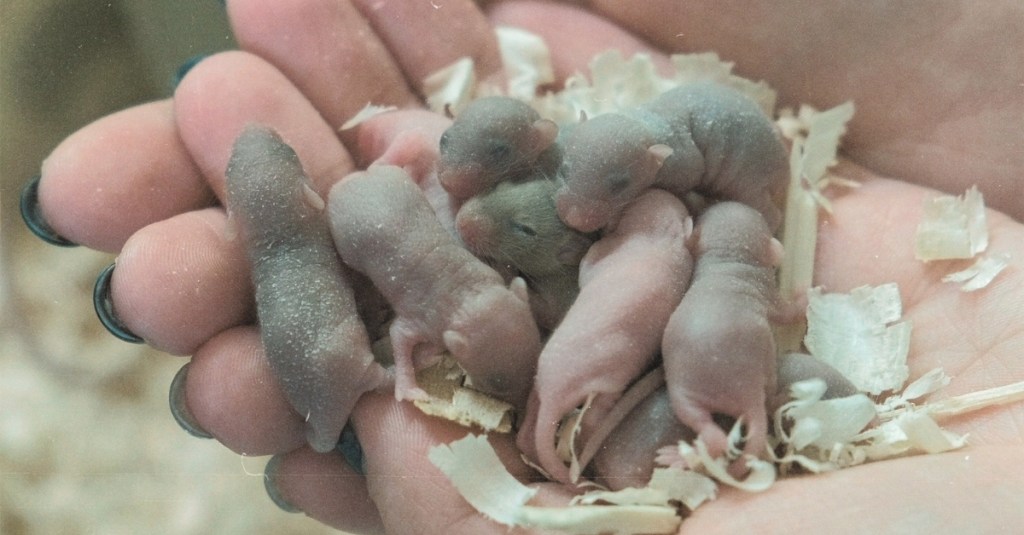
The mouse, along with three others, traveled approximately 400 kilometers above Earth, orbiting for 14 days before returning safely on November 14, 2023. The pregnancy resulted in a litter of nine pups, six of which survived—a standard outcome in laboratory settings, according to reports from the Chinese Academy of Sciences.
Researchers, led by scientist Wang Hongmei, emphasize that this finding indicates short-term spaceflight did not impair the mouse’s reproductive capabilities. The implications are profound, as understanding reproduction in space is crucial for future long-duration missions, including potential missions to Mars.
Mice were chosen for this study due to their biological similarities to humans and their ability to reproduce rapidly. They serve as critical models for assessing the effects of space conditions on mammalian life. Previous research has shown that mouse sperm can fertilize eggs post-space exposure, but this study takes it a step further by proving that pregnancy and birth can occur after spaceflight.
Despite challenges during the mission, including a delay that raised food supply concerns, the team ensured the mice’s safety with backup emergency rations and continuous monitoring via AI systems. The mice’s activity, eating, and sleeping patterns were tracked under controlled conditions, mimicking an Earth-based day-night cycle.
As researchers observe the pups, they will monitor growth patterns and physiological changes, with an eye on future reproductive capabilities. This study aims to identify potential issues that may manifest over generations, ensuring that mammalian reproduction remains viable for extended space missions.
While this successful birth does not definitively answer all questions regarding mammalian reproduction in space, it eliminates one significant concern: that space travel immediately disrupts biological processes essential for reproduction. This finding is a small but vital step towards understanding how humans might one day live and reproduce off-world.
The excitement surrounding this development is palpable, and it underscores the importance of continued research in space biology. As scientists look ahead, the implications of this study could pave the way for human colonization of other planets, making it a remarkable milestone in the quest for life beyond Earth.
Stay tuned for more updates as researchers continue to monitor the health and development of these extraordinary pups.