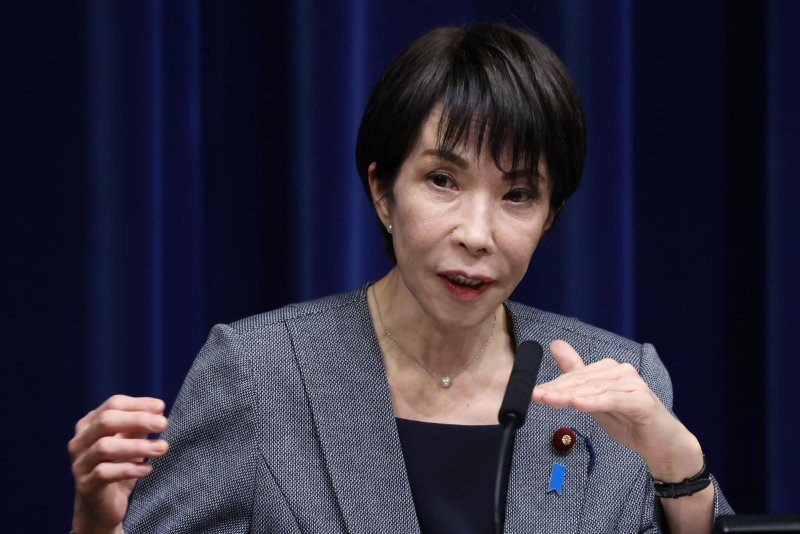
UPDATE: Japanese Prime Minister Sanae Takaichi is reportedly contemplating a snap dissolution of the House of Representatives, potentially leading to a general election as early as mid-February. The decision, expected to be announced soon, is stirring significant backlash from opposition parties and factions within her own ruling coalition.
In a regular Diet session beginning on January 12, Takaichi’s proposal could lead to a campaign launch on January 27 with voting on February 8, or a later launch on February 3 and voting on February 15. Critics are urging her to reconsider, fearing that rushing to an election would jeopardize crucial deliberations on the 2026 fiscal year budget, which must be finalized by March 31.
Opposition leaders, including Yuichiro Tamaki of the Democratic Party for the People, have expressed concerns that the election could disrupt government efforts to address pressing economic issues like inflation. Tamaki warned that his party might withhold support unless an agreement regarding the income tax threshold is honored.
Furthermore, Komeito leader Tetsuo Saito criticized the move, arguing it creates a dangerous political vacuum amid economic uncertainty. The urgency of the situation is heightened by Takaichi’s upcoming diplomatic engagements, including a meeting with South Korean President Lee Jae-myung and a visit from Italian Prime Minister Giorgia Meloni later this week.
Some of Takaichi’s advisors are advocating for the early election, believing that the ruling Liberal Democratic Party can leverage its current high cabinet approval ratings to win a majority. However, senior party figures, including Deputy President Taro Aso, have recently expressed caution, shifting their stance towards supporting the dissolution.
As the political landscape shifts rapidly, Japan’s Ministry of Internal Affairs and Communications has already instructed local election commissions to prepare for what could be a historically compressed campaign period. If the House of Representatives is dissolved as planned, the implications could be far-reaching, affecting not just political stability but also critical economic policies.
With the nation on edge, observers are closely monitoring Takaichi’s next moves, as the decision to dissolve the House could redefine Japan’s political future in a time of economic challenges. Stay tuned for updates on this developing situation.