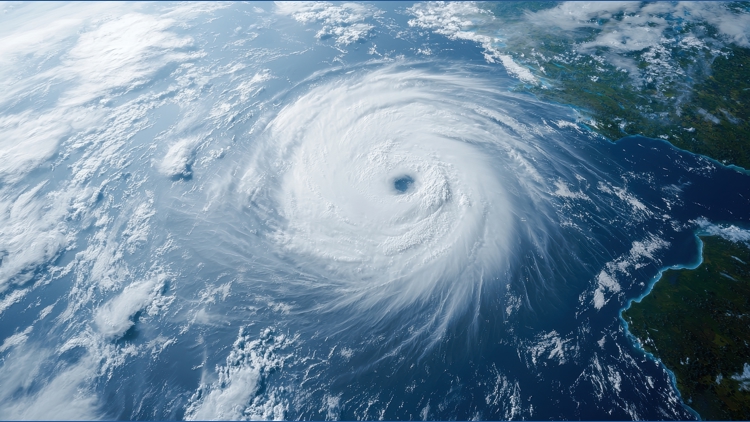
URGENT UPDATE: New findings reveal that hurricanes are not just destructive forces; they play a critical role in maintaining the balance of Earth’s climate. As the world faces increasing climate extremes, understanding the dual nature of these storms becomes essential.
CLEVELAND — Hurricanes are often associated with catastrophic damage: roofs torn off, streets flooded, and families forced to evacuate. However, experts emphasize that these storms serve a vital purpose in regulating the planet’s climate, preventing devastating long-term effects.
Latest data shows that without hurricanes, the Earth could face severe heat imbalances. The tropical regions absorb excessive heat from the sun, particularly near the equator. If this heat remained trapped, it would result in more extreme droughts, floods, and heat waves worldwide.
Meteorologist Mark Johnson from WKYC confirms that hurricanes act as “giant atmospheric engines.” They transport excess heat from tropical waters toward the colder poles, offering a natural solution to the climate crisis. As warm ocean water evaporates, it rises and cools, releasing heat high into the atmosphere, which is then redistributed globally by wind currents.
This process is similar to an air conditioning system for the planet, ensuring that the tropics don’t overheat while preventing the poles from freezing. Without these storms, Johnson warns, ecosystems would suffer, and climate instability would escalate dramatically.
In addition to their climate-regulating functions, hurricanes bring unexpected ecological benefits. For instance, in drought-stricken areas, the intense rainfall from hurricanes can refill critical water sources, sustaining crops and wildlife for prolonged periods.
Hurricanes also reshuffle coastal landscapes by moving sand, replenishing barrier islands, and improving water quality. The natural debris left behind fosters new growth in forests, promoting biodiversity. Furthermore, these storms mix ocean waters, enriching the surface layer with oxygen and nutrients vital for marine life.
While the immediate human cost of hurricanes can be tragic, experts highlight that nature often rebounds stronger after the storm passes. This natural resilience illustrates the interconnectedness of our planet and the essential role that hurricanes play in maintaining ecological balance.
As the climate crisis intensifies, scientists are working tirelessly to enhance hurricane forecasts and strengthen infrastructure to protect communities. However, it is crucial to recognize that these storms, despite their destructive nature, help keep our world in harmony.
In summary, hurricanes serve as both a warning and a solution. Their powerful winds and torrential rains may wreak havoc, but they are essential for preventing catastrophic climate disruptions. As we navigate the complexities of our changing environment, understanding the dual role of hurricanes is more important than ever.
Stay tuned for more updates as experts continue to study the complex dynamics of hurricanes and their impact on our climate.