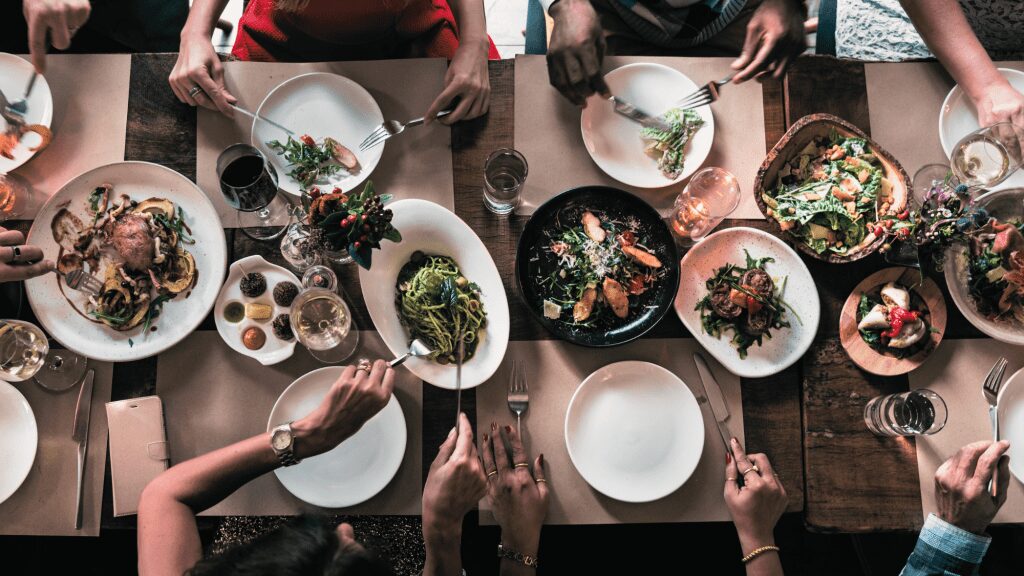
URGENT UPDATE: Food safety experts are sounding the alarm on five popular dishes to avoid when dining out. Following recent outbreaks and foodborne illness reports, professionals urge diners to rethink their meal choices to safeguard their health.
Authorities report that approximately one in six Americans falls ill from contaminated food each year, highlighting the critical need for awareness when eating out. Experts from various fields, including food safety attorneys and scientists, shared their insights with The Washington Post, revealing the dishes they personally avoid due to significant health risks.
1. Leafy Greens and Bagged Salads
Food safety attorney Bill Marler leads the charge against salads, emphasizing that leafy greens are processed in large batches, increasing the risk of widespread contamination. “Salads are a breeding ground for bacteria,” Marler warns. Food scientist Bryan Quoc Le adds that leafy greens are never cooked, leaving them vulnerable to pathogens.
2. Raw Sprouts
Another item on the no-order list is raw sprouts. Experts treat them as a health risk due to their growth conditions—warm and humid—which are ideal for bacteria such as Salmonella and E. coli. The history of multiple outbreaks linked to sprouts raises significant concerns, making them a red flag for food safety professionals.
3. Deli Meats and Ready-to-Eat Foods
Cold cuts may seem harmless, yet they are frequent sources of Listeria, particularly affecting vulnerable populations like pregnant women and the elderly. Marler advises against ready-to-eat foods, stressing that their safety relies heavily on proper handling and cold storage rather than cooking.
4. Undercooked Ground Beef
Experts have shifted their focus from steaks to ground beef, which carries a higher risk of contamination. Grinding meat spreads bacteria throughout, meaning it must reach a safe internal temperature. Some food safety specialists recommend ordering burgers well done or avoiding them entirely to mitigate health risks.
5. Pre-Cut Produce and Fruit Cups
Finally, pre-cut fruit and produce face scrutiny due to increased handling. Once sliced, these items become more prone to contamination, and their safety is entirely dependent on proper handling and storage before reaching the table.
Foodborne illness remains a prevalent issue, and while most restaurants adhere to safety regulations, experts stress that certain foods pose higher risks. As the CDC continues to monitor and report on food safety, consumers are advised to stay informed and cautious about their meal choices.
In conclusion, as dining habits evolve, understanding which foods to avoid can play a crucial role in maintaining health and safety. With these insights from experts, diners can make more informed decisions to protect themselves and their families. Stay tuned for more updates as the food safety landscape continues to develop.