BREAKING: The European Union has just announced an indefinite freeze on Russian assets in Europe, impacting around 210 billion euros ($247 billion). This urgent move is designed to prevent Hungary and Slovakia—both with pro-Moscow governments—from vetoing the use of these funds to support Ukraine.
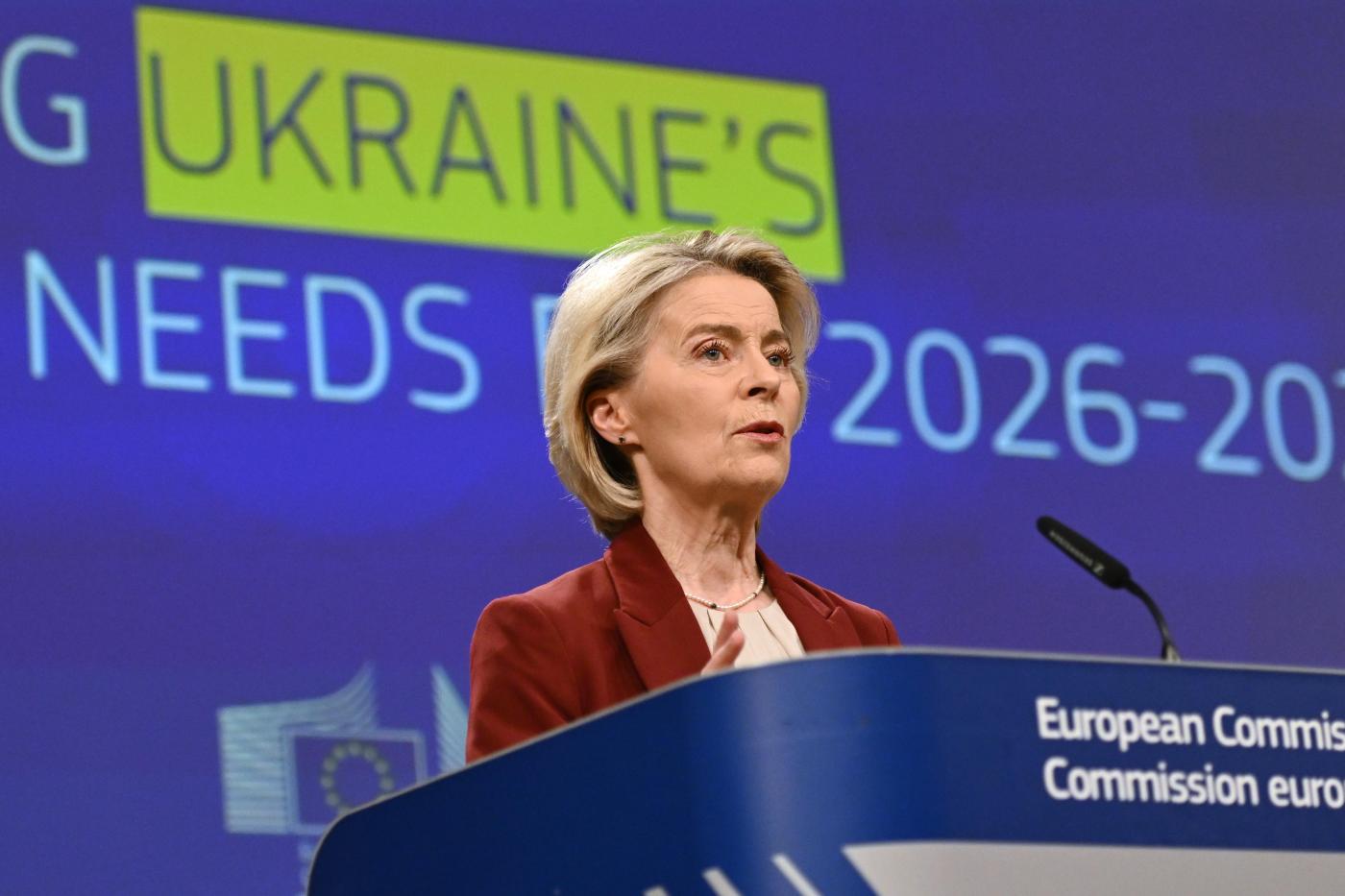
This decisive action comes as EU leaders prepare for a crucial summit on December 18, 2025, where they will discuss utilizing these frozen assets for Ukraine’s financial and military needs over the next two years. EU Council President António Costa emphasized that this commitment is vital for assisting Ukraine, stating, “Today we delivered on that commitment.”
The EU’s decision employs a special procedure intended for economic emergencies, effectively blocking the assets until Russia halts its war against Ukraine and compensates for the extensive damage caused over nearly four years. This freeze is critical in maintaining the EU’s leverage in negotiations regarding the ongoing conflict.
As tensions rise, Hungarian Prime Minister Viktor Orbán, a close ally of Russian President Vladimir Putin, criticized the EU for what he termed a “systematic violation” of European law and vowed to challenge this decision. In a social media post, Orbán claimed, “the rule of law in the European Union comes to an end,” asserting that Hungary will fight to restore lawful order.
Slovak Prime Minister Robert Fico has also expressed strong opposition, warning that the utilization of frozen Russian assets could jeopardize U.S. peace initiatives aimed at rebuilding Ukraine. He stated he would refuse to support any measures covering Ukraine’s military expenses for the coming years.
The EU’s move prohibits these assets from being utilized in any negotiations aimed at ending the war without European approval. Notably, most of the funds—approximately 193 billion euros ($225 billion)—are currently held in Euroclear, a Belgian financial clearing house.
EU officials argue that the ongoing war has inflicted heavy economic costs on the bloc, significantly raising energy prices and stunting growth. The EU has already provided nearly 200 billion euros ($235 billion) in support to Ukraine, underscoring the urgent financial needs stemming from the conflict.
In response, Russia’s Central Bank has filed a lawsuit against Euroclear for damages resulting from the asset freeze, stating that the EU’s plans are “illegal” and violate international law principles. Meanwhile, Belgium has voiced concerns over the associated economic risks of the EU’s reparations loan plan.
The situation remains fluid, with further developments expected as the EU prepares for its high-stakes summit next week. As the world watches, the implications of this asset freeze could significantly impact the trajectory of the ongoing conflict in Ukraine and the EU’s strategic response to Russia.
This urgent update highlights the escalating tensions within Europe as geopolitical pressures mount, and the stakes for Ukraine’s future continue to rise. Stay tuned for more updates as this story develops.