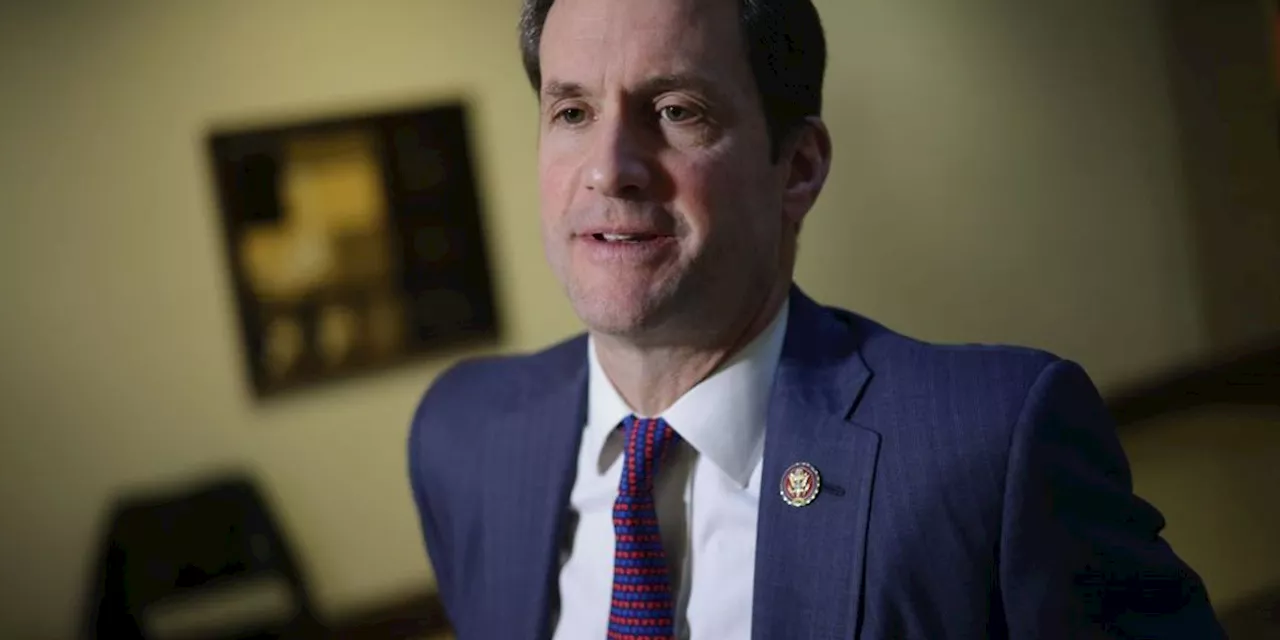
UPDATE: U.S. Representative Jim Himes has expressed profound concern over a shocking military strike that took place on September 2 off the coast of Trinidad and Tobago. During a recent briefing, Himes described a harrowing video showing the U.S. military targeting two shipwrecked sailors, calling it “one of the most troubling things I’ve seen in my time in public service.”
Himes’ alarming comments came shortly after a briefing by Adm. Frank Bradley. The video reportedly depicts the U.S. military firing missiles at two men who had survived an initial attack on their vessel, clinging to debris in the water. Himes stated, “You have two individuals in clear distress, without any means of locomotion, with a destroyed vessel, who were killed by the United States.”
The Connecticut Democrat emphasized the gravity of the situation, asserting that the footage shows an “impermissible action” under international laws of armed conflict. “Any American who sees the video that I saw will see its military attacking shipwrecked sailors,” he added, underscoring the moral implications of the strike.
Himes revealed that Adm. Bradley confirmed to him that there was no “no quarter” order given by Defense Secretary Pete Hegseth. He insisted that the video should be made public for all Americans to assess the situation for themselves. “People will someday see this video and they will see that it shows, if you don’t have the broader context, an attack on shipwrecked sailors,” Himes stated.
In stark contrast, Sen. Tom Cotton, chairman of the Senate Intelligence Committee, defended the military’s actions, labeling the strikes as “righteous” and “entirely lawful.” Cotton claimed that the two survivors were attempting to flip their boat, which was reportedly loaded with drugs destined for the U.S.
Critics of the military’s actions, including legal scholars, argue that targeting the survivors may constitute murder or a war crime, regardless of any alleged drug trafficking intentions. Reports from U.S. government and U.N. sources have not identified Venezuela as a significant supplier of drugs entering the United States, raising questions about the justification for the military’s response.
As this story develops, the implications of the military’s actions raise urgent questions about adherence to international law and the ethical responsibilities of military operations. Himes’ call for transparency and accountability highlights the growing demand for public scrutiny of military actions and their impacts on human lives.
Stay tuned as we continue to monitor this situation and provide updates on the fallout from this controversial military strike.