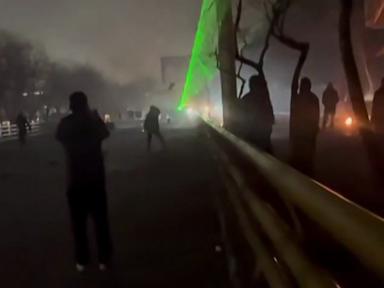
UPDATE: The death toll in Iran’s escalating protests has tragically reached 646, according to the U.S.-based Human Rights Activists News Agency (HRANA). This urgent report highlights the alarming scale of unrest that has persisted for over 16 days, with at least 10,721 people arrested across 606 locations in 187 cities throughout the country.
The protests, sparked by rising inflation and the declining value of the national currency, have intensified as security forces reportedly respond with tear gas and live ammunition. Among the deceased are 505 protesters and nine children. HRANA has compiled these figures based on reports from activists inside and outside Iran, while official government sources remain silent on the death toll.
Amid these developments, U.S. President Donald Trump has just announced a 25% tariff on any country conducting business with Iran. This decision comes after Trump warned Tehran against using force to suppress the ongoing protests. In a statement released on social media, he declared, “Effective immediately, any country doing business with the Islamic Republic of Iran will pay a Tariff of 25% on any and all business being done with the United States of America.”
The White House is set to convene Trump’s national security team on Tuesday to discuss potential military interventions and new sanctions targeting key Iranian regime figures. Press Secretary Karoline Leavitt emphasized that the president is keeping all options on the table, including airstrikes, although diplomacy remains the priority.
As protests continue to escalate, the U.S. State Department has issued urgent warnings for American citizens in Iran. A security alert advised U.S. nationals to prepare for ongoing internet outages and consider leaving the country, suggesting routes to Armenia or Turkey if safe to do so.
The protests, originally ignited by economic grievances, have taken on a more pronounced anti-government tone. Iranian authorities, led by Supreme Leader Ayatollah Ali Khamenei, have framed the unrest as actions of “rioters” and “terrorists,” while simultaneously proposing to address the economic concerns of demonstrators. However, state media has reported over 100 security personnel killed in the unrest, challenging the government’s narrative.
In a stark contrast, pro-government rallies have been broadcast on state television, depicting crowds supporting the regime. Meanwhile, dissenting voices abroad, such as exiled Crown Prince Reza Pahlavi, have called for greater support from the U.S. to aid the protesters. Pahlavi urged Trump to intervene, stating, “Please be prepared to intervene to help the people of Iran.”
As the situation develops, the world watches closely. The protests signify a critical moment for Iran, exposing deep-seated frustrations with the government. The international community remains alert to potential repercussions, as both humanitarian and geopolitical implications unfold.
Stay tuned for more updates as this situation continues to evolve.