Innovation in engineering is increasingly shaped by the collaborative efforts of diverse teams working across cultural boundaries. This is particularly evident in the fields of robotics and automation, where the integration of hardware, software, and human workflows necessitates a global perspective. A prominent example is the experience of an engineer currently working at **Re:Build Fikst** in **Wilmington, Massachusetts**, who underscores the significance of cross-cultural collaboration in advancing technology.
The engineer, a member of the **IEEE** and originally from India, began their academic journey in electrical and electronics engineering at **Amity University** in **Noida**. This foundational experience emphasized the importance of problem-framing and adaptability, teaching students to prioritize essential system behaviors over idealized assumptions. This approach not only nurtured innovative thinking but also instilled a sense of practical resource management.
Upon relocating to the United States in **2021** to pursue a master’s degree in robotics and autonomous systems at **Arizona State University** in **Tempe**, the engineer encountered a distinct engineering culture. In the U.S., the research and development sector demands a level of rigor that is considered non-negotiable. Systems are meticulously designed to perform reliably, with thorough documentation and validation processes integral to their development.
As the engineer navigated this new environment, they had to balance their instinct for efficiency with the structured expectations of U.S. engineering practices. Design decisions here require substantial justification, and collaboration extends beyond traditional boundaries, involving scientists, software engineers, and technicians, each contributing unique perspectives and definitions of success.
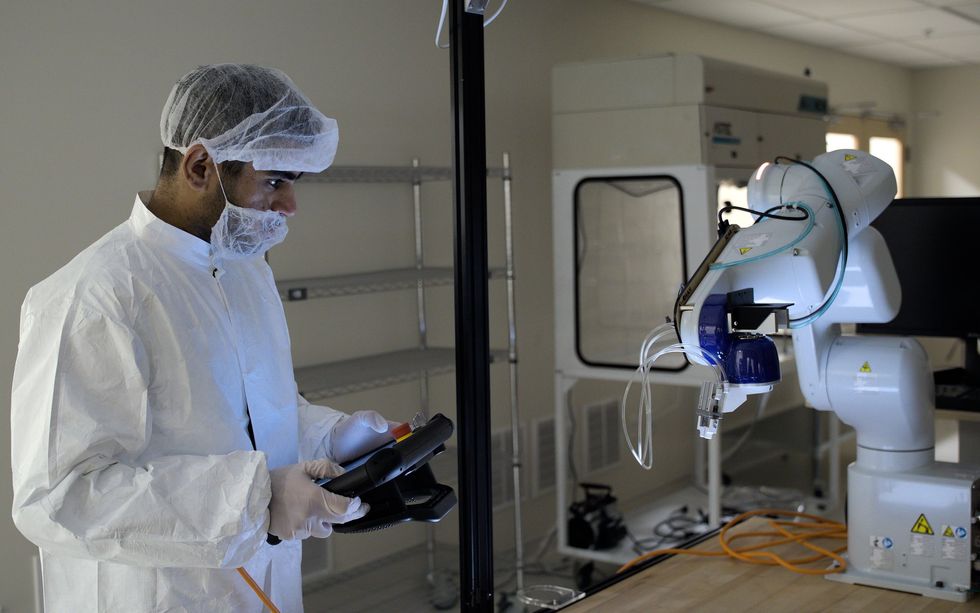
The interplay between diverse engineering cultures leads to enhanced problem-solving capabilities. The engineer observed that teams composed of individuals with varied backgrounds often produce better outcomes by challenging defaults, identifying edge cases, and creating technologies that are resilient to real-world variability. For instance, a robotic work cell might function perfectly in a controlled lab environment but necessitate redesign when operators require improved access for maintenance or troubleshooting.
Cross-cultural experiences foster a comprehensive understanding of user interactions with technology. Engineers who have trained in different countries tend to exhibit a heightened awareness of how various environments influence technology performance. This adaptability is crucial in fields like robotics and automation, where systems must align technical performance with human workflows.
The engineer emphasizes that their cross-cultural background is instrumental in evaluating design trade-offs and fostering collaboration across disciplines. In an increasingly interconnected world, engineers are expected to navigate geographical, disciplinary, and cultural boundaries. This adaptability not only enhances their technical capabilities but also positions them as vital contributors to the evolving landscape of engineering innovation.
As the challenges facing robotics and automation continue to grow—ranging from scaling experimentation to integrating intelligent systems—engineers who can effectively bridge cultural divides will be essential. The journey of this engineer illustrates that true innovation arises not from a single mindset but from the ability to integrate diverse perspectives into cohesive solutions.