City outreach teams in Seattle have successfully facilitated shelter referrals for six individuals following the removal of an encampment, a move that has garnered positive feedback from community leaders. This outcome is attributed to the intensive outreach efforts aimed at addressing the immediate housing needs of those affected.
Community Response to Outreach Efforts
Following the encampment removal, outreach teams reported that six people accepted shelter referrals, a development hailed by some community leaders as a significant step forward. Bruce Drager, chair of the Ballard Community Task Force on Homelessness and Hunger, noted, “I’ve never seen a better result for an encampment.” Drager, who has focused on the more than 500 individuals experiencing homelessness in Ballard, expressed optimism about the impact of the city’s strategic outreach.
Drager emphasized that many individuals displaced from encampments often face a cycle of relocation without sustainable solutions. He credited the recent efforts as being “intentional and intensive,” stating that addressing specific needs for housing can lead to successful outcomes. “If you do intentional and intensive outreach with folks, where you are addressing a negotiated need for housing, you can find a solution for folks,” he added.
Future Initiatives and Continued Challenges
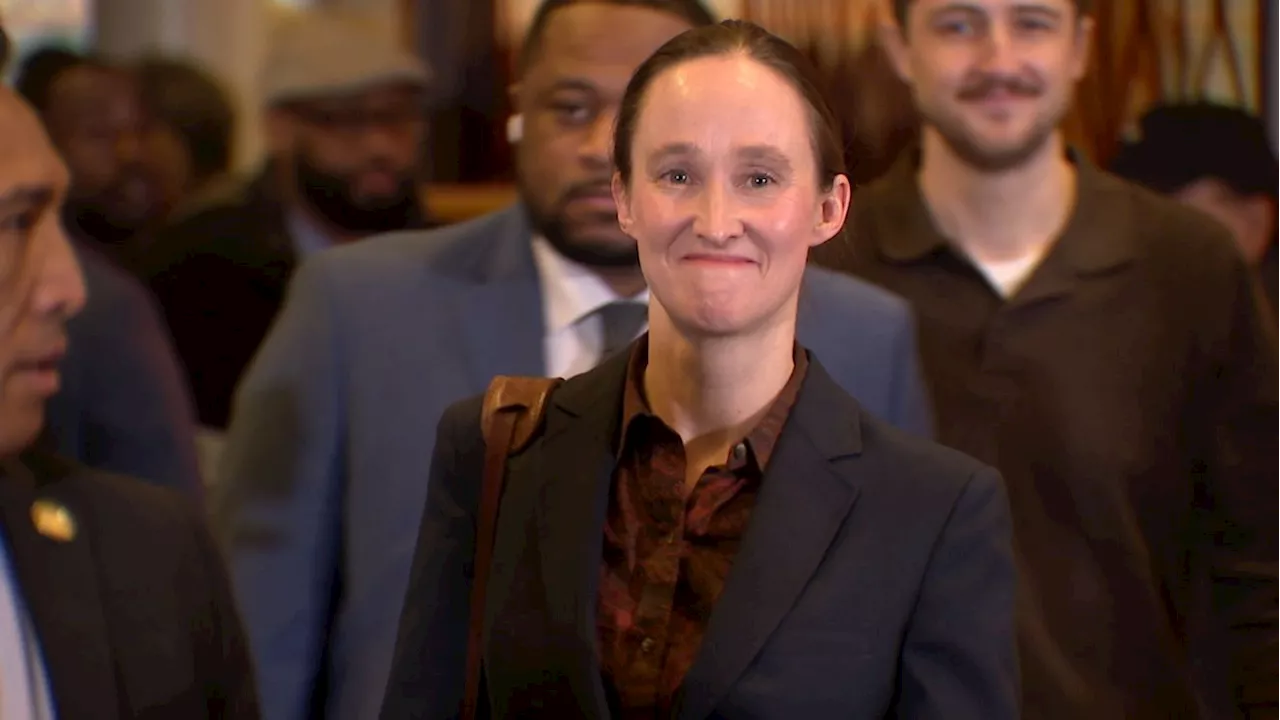
Mayor Katie Wilson is set to deliver her first State of the City address on March 19, 2024, where homelessness is expected to be a central theme. Wilson remarked on the city’s commitment to collaborating with the Unified CARE Team and various service providers to enhance outreach processes, particularly as new housing and shelter options become available.
One resident from Ballard described the atmosphere in the area as increasingly uneasy, noting the expansion of encampments in recent weeks. Advocates for the outreach-first approach argue that fostering trust and presenting realistic housing options significantly improves the likelihood that individuals will accept assistance rather than relocating to different parts of the city.
“There’s gotta be a better way forward, and I’m hoping this can be that better way forward,” the resident stated, reflecting a common sentiment among those concerned about homelessness in the community.
The city’s proactive engagement with individuals experiencing homelessness marks a pivotal moment in addressing the complex challenges posed by the ongoing housing crisis. As Mayor Wilson prepares to speak on these matters, stakeholders continue to advocate for comprehensive solutions that emphasize stability and long-term support for vulnerable populations.