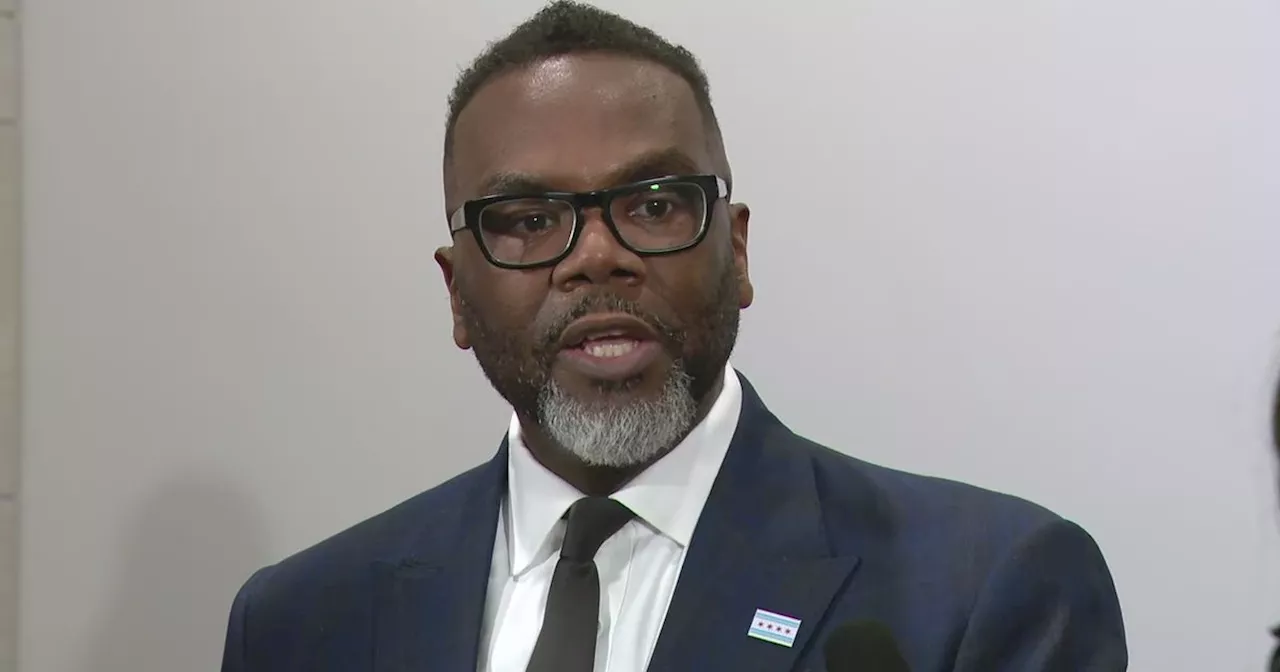
UPDATE: In a critical move for local businesses, Chicago Mayor Brandon Johnson just vetoed a controversial ordinance aimed at banning most intoxicating hemp products. The veto came on Friday, March 15, 2024, just a day after business owners rallied in protest of the proposed ban, which was set to take effect on April 1.
The mayor’s decision is seen as an urgent response to concerns that the ban would devastate small businesses, eliminate jobs, and disproportionately impact minority-owned establishments in the city. In his statement, Johnson emphasized that the ordinance was “premature” and called for a balanced regulatory approach as federal guidelines for hemp products are expected soon.
Mayor Johnson stated, “I made the decision to veto this ordinance because I continue to have significant concerns around the current proposal and the potential negative impacts this prohibition-style ban could have on our city.” He highlighted the importance of collaborating with the small business community to craft legislation that ensures safety without dismantling local enterprises.
The proposed ban had raised alarms among local entrepreneurs, particularly at businesses like Chi’Tiva Lounge in South Loop, which offers a range of infused drinks and events. Owner Charles Wu expressed the dire consequences, stating, “Our entire business would shut down. Employees would be laid off. And then there are the leases. I just can’t walk away from leases.”
The Hemp Coalition organized a rally on Thursday, urging Johnson to veto the ban, citing fears of job loss and community disruption. Business owners argue that while they welcome safety regulations, an outright ban would push commerce into unregulated black markets, which are harder to control and monitor.
Johnson acknowledged concerns about the marketing of intoxicating hemp products, particularly regarding their appeal to minors. He stressed the need for strict age verification and responsible labeling, stating, “There must be zero tolerance for businesses that market or sell these products to minors.”
The ordinance, which would have restricted sales to licensed cannabis dispensaries and certain liquor-licensed establishments, faced criticism for favoring larger entities at the expense of smaller, usually minority-owned businesses. Ald. Byron Sigcho Lopez of the 25th Ward voiced support for the veto, stating, “Time after time, minority business owners get left behind; they are not allowed a fair shot.”
As the Chicago City Council prepares to revisit hemp regulations, Johnson’s veto opens the door for a more inclusive and equitable approach to local hemp policies. The mayor is calling for collaboration with public health experts, community leaders, and industry stakeholders to draft legislation that protects both public safety and small business interests.
The outcome of this decision is expected to resonate throughout Chicago’s business community, particularly among minority entrepreneurs who have turned to hemp as a viable alternative to the expensive cannabis licensing process. The mayor’s call for a thoughtful regulatory framework could set a precedent for how cities navigate the complexities of hemp legalization amid evolving federal standards.
As Chicago moves forward, all eyes will be on the City Council’s next steps and how they engage with business owners to create regulations that reflect the needs of the community while ensuring safety and compliance.