URGENT UPDATE: New investigations reveal that the depths of the Chesapeake Bay are home to an astonishing 8,000 shipwrecks, each telling stories of lost treasures and maritime history. This revelation has ignited renewed interest among divers and historians alike, drawing attention to both the rich history and ongoing efforts to preserve these underwater time capsules.
The narratives surrounding the bay’s shipwrecks include legendary tales of pirate gold and ghostly encounters, captivating the imaginations of both locals and visitors. Don Shomette, a marine archaeologist with over 50 years of experience, emphasizes the significance of these wrecks, stating, “A shipwreck is a time capsule from the moment it sank.” His work, alongside that of Susan Langley, former head of the Maryland Maritime Archaeology Program (MMAP), highlights how these submerged vessels provide unique insights into maritime culture.
The bay spans 4,080 square miles, where countless vessels have met their fate due to storms, collisions, or intentional sinkings since the 17th century. The MMAP has been instrumental in surveying and preserving these sites, often collaborating with public and private entities during dredging and construction projects that risk disturbing historical artifacts.
One notable shipwreck, the USS Tulip, sank during the Civil War, resulting in the loss of 49 sailors on November 11, 1864. Its tragic story exemplifies the challenges faced by underwater archaeologists. After being rediscovered, the site was pillaged by divers, leading to the loss of invaluable artifacts. This highlights the delicate balance between exploration and preservation as Shomette notes, “They brought up the captain’s sword, body parts, and skulls.”
Recent finds, such as the SS New Jersey, a steamship that sank in a fire in 1870, have drawn divers to its site, leading to significant discoveries of glassware and other artifacts. This sparked legislative action, resulting in the Abandoned Shipwreck Act of 1987, which protects underwater sites from unauthorized salvage.
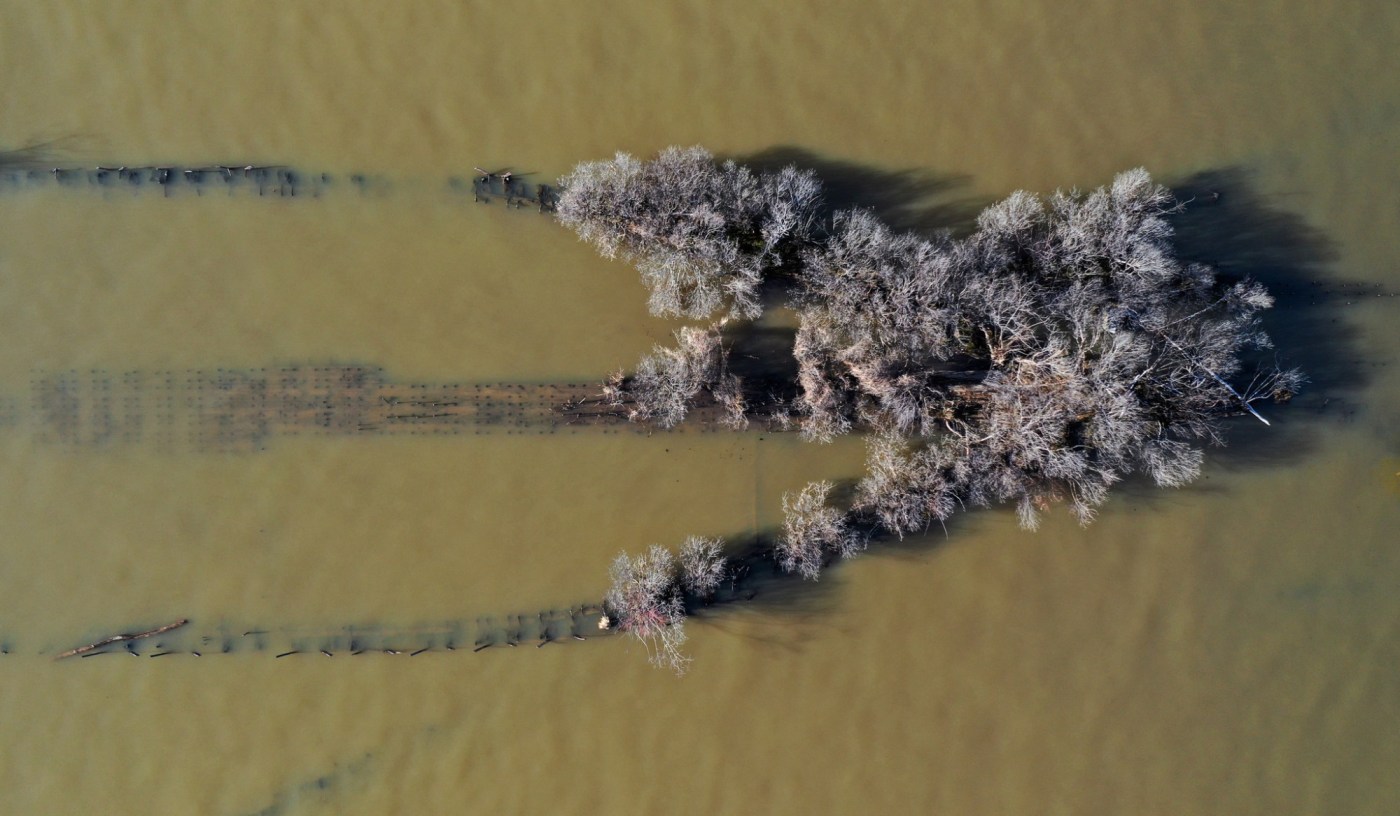
Another eye-catching feature of the bay is the Ghost Fleet, a collection of World War I-era ships near Mallows Bay. These vessels, scuttled after the war, have become a National Marine Sanctuary, attracting kayakers and history enthusiasts.
The U-1105, a WWII Nazi U-boat known as the Black Panther, rests in the Potomac River as Maryland’s first Historic Shipwreck Preserve. It symbolizes the region’s complex maritime history, drawing divers to explore its depths, albeit with strict regulations against artifact removal.
As investigations continue, the urgency to protect these historical treasures remains paramount. Shomette believes the number of shipwrecks in the bay is likely closer to 8,000, with each one a vital piece of history waiting to be uncovered.
The stories these shipwrecks tell are not just about the past; they resonate deeply with the human experience, reminding us of the lives once lived and lost beneath the waves. The Chesapeake Bay continues to be a canvas of adventure, mystery, and learning, inviting all to dive into its depths and discover the secrets it holds.
For those interested in exploring this underwater treasure trove, the MMAP encourages responsible diving and reporting of artifacts, ensuring that history is preserved for future generations.