URGENT UPDATE: Budapest, Hungary, is shining a global spotlight on its most iconic landmarks, revealing their profound historical significance and cultural impact. As millions prepare to visit the capital, the stories behind these architectural marvels are more relevant than ever.
Tourists and locals alike are flocking to these sites, which encapsulate centuries of Hungary’s history—from medieval fortresses to grand 19th-century boulevards. Each landmark not only serves as a stunning visual but also embodies the nation’s political, cultural, and religious identity. Here’s an essential guide to the history behind Budapest’s must-see sites.
Buda Castle stands majestically above the Danube, dominating the skyline since the 13th century. Originally constructed after the Mongol invasion, it transformed into the royal residence for Hungarian kings. Despite enduring significant damage during various wars, the castle has been rebuilt multiple times, with the latest restoration occurring after World War II. Today, it hosts museums, including the National Széchényi Library, making it a beacon of Hungary’s rich history.
The Hungarian Parliament Building, completed in 1904, is one of Europe’s largest legislative buildings, strategically positioned along the Pest riverbank. Designed in Neo-Gothic style, it symbolizes Hungary’s quest for independence within the Austro-Hungarian Empire. Notably, it houses the Holy Crown of Hungary, further solidifying its status as a national treasure.
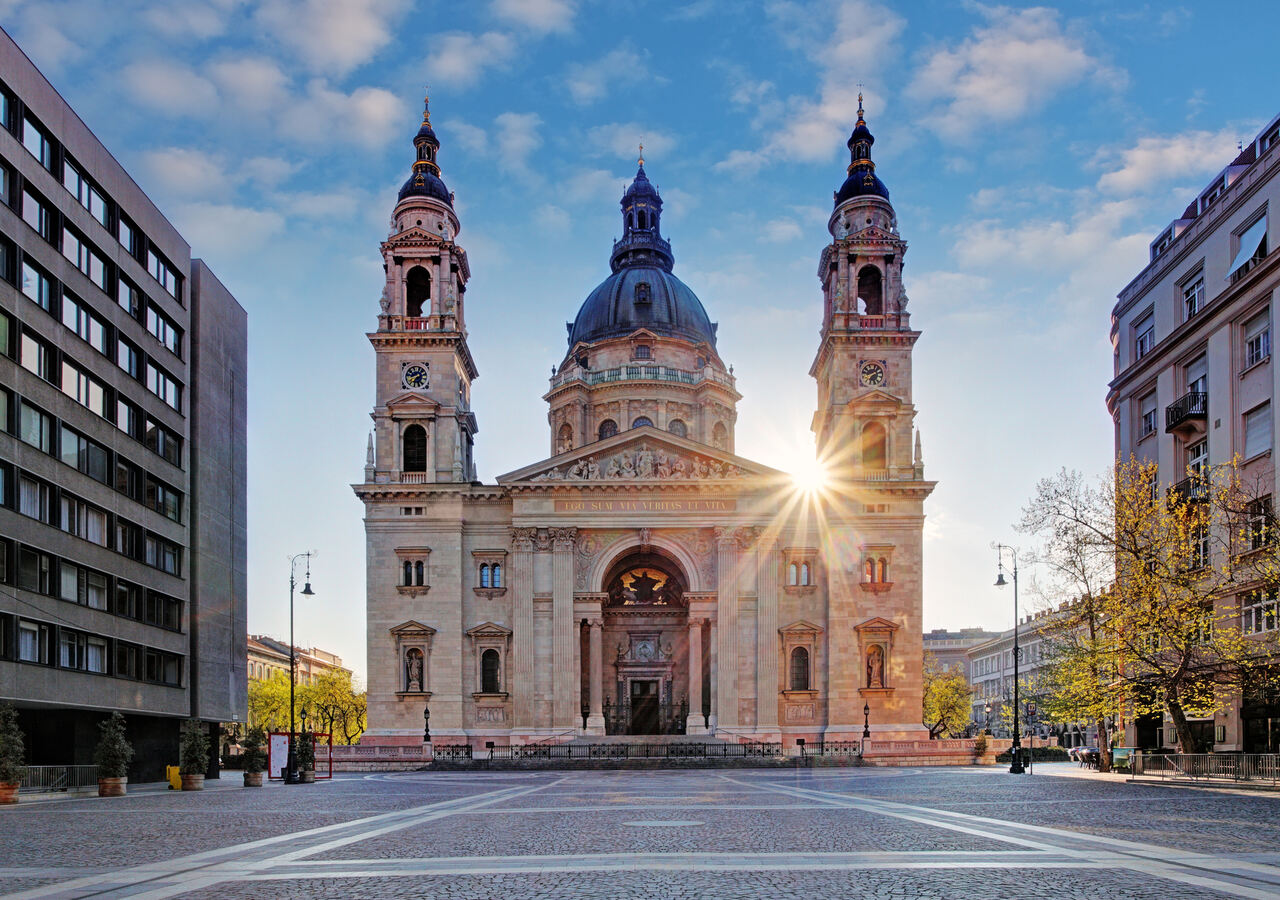
In the heart of the city, St Stephen’s Basilica—named after Hungary’s first king—took over 50 years to complete. Construction began in the mid-19th century but faced setbacks, including the collapse of its original dome. As one of Budapest’s tallest buildings, it remains a pivotal religious and cultural venue, hosting concerts and significant services.
The Chain Bridge, inaugurated in 1849, was the first permanent link between Buda and Pest, revolutionizing transportation across the Danube. This architectural feat played a crucial role in the unification of the two cities, which officially merged in 1873 to form modern Budapest.
Another must-see, Fisherman’s Bastion, offers fairytale views of the Danube and Parliament. Although it appears medieval, it was constructed around 1900 as a decorative terrace, showcasing some of the most photographed vistas in the city. Its towers and arches have become iconic symbols of Budapest.
Lastly, Heroes’ Square stands as a testament to Hungary’s national memory. Created in 1896 to celebrate the 1,000th anniversary of the Hungarian state, it features statues of historic leaders and kings. Currently, the statue of Gabriel Archangel is undergoing its first major restoration in 120 years, with plans for its return in 2026.
Together, these landmarks narrate Hungary’s evolution from a medieval kingdom to a modern European nation. They are not just stunning sights but gateways to understanding the events that have shaped the country’s identity.
Visiting these landmarks today provides a unique opportunity to engage with Hungary’s rich history and cultural heritage. The compelling stories behind each site invite tourists to share their experiences, making these visits not just about seeing, but about learning and connecting.
As crowds gather at these sites, the excitement is palpable—make sure to explore Budapest’s architectural wonders and immerse yourself in the city’s vibrant history.
Stay tuned for more updates on Hungary’s landmarks, and don’t forget to share this article with fellow travelers eager to discover the heart of Budapest!