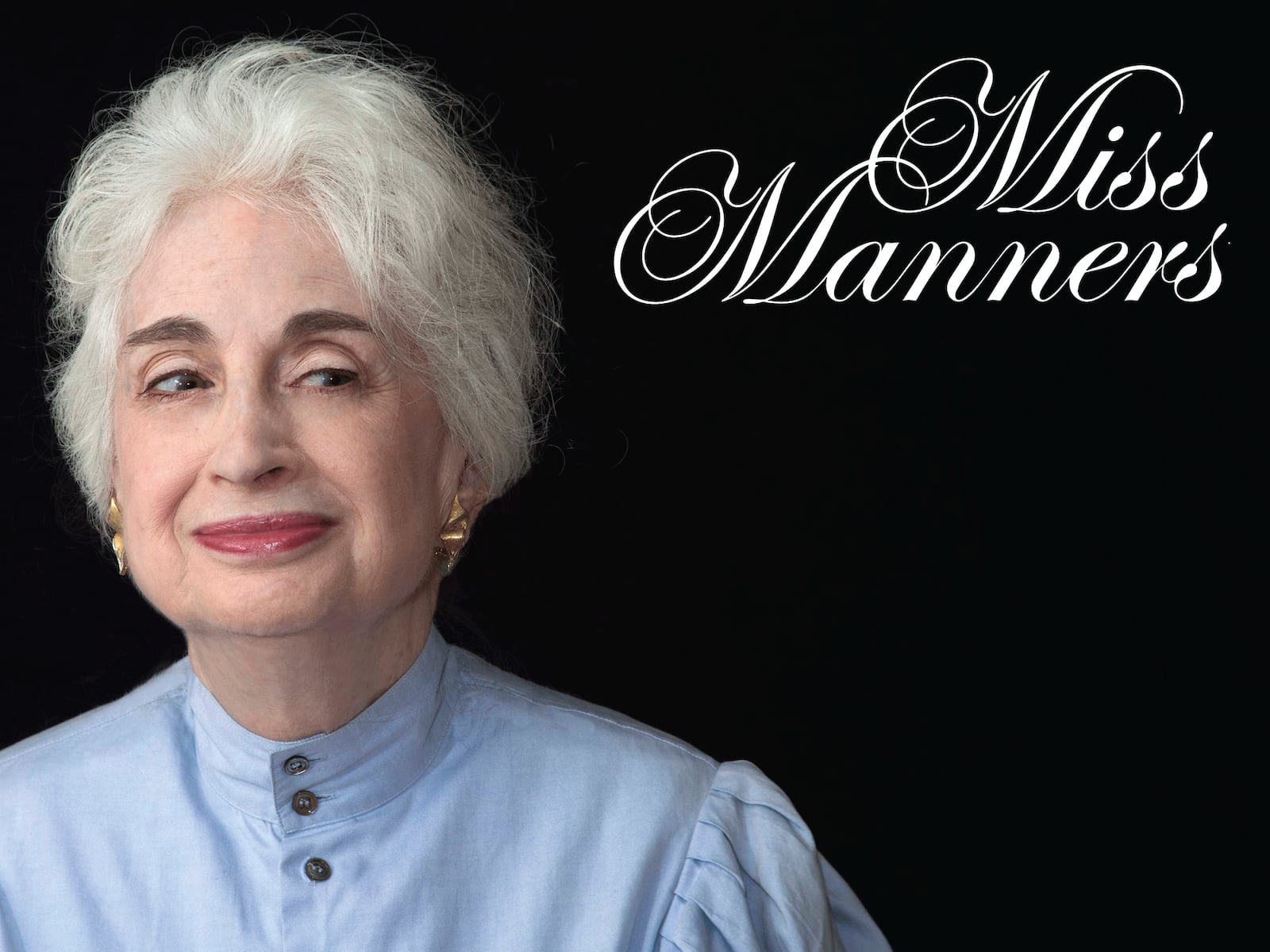
A reader recently reached out to the renowned etiquette columnist, Miss Manners, with a unique query regarding her boyfriend’s habit of saying “bless you” after not only sneezes but also after burps and flatulence. This unconventional practice has sparked a debate on social norms and politeness.
The reader expressed her bewilderment after moving in with her boyfriend, who originates from the Southern United States. She found his tendency to respond with “bless you” to bodily functions other than sneezes to be rather peculiar. When she confronted him about it, he explained that he was taught this behavior as a polite response.
In her response, Miss Manners noted that there is no definitive reasoning behind why society tends to view burping and flatulence as rude while sneezing is often considered an accidental occurrence deserving of a polite acknowledgment. The etiquette expert highlighted that saying “bless you” after any bodily function, aside from sneezing, could be interpreted as a form of admonishment. This perspective suggests that the speaker may perceive these actions as socially unacceptable.
The inquiry raises an important question about etiquette in different cultural contexts. While some customs may vary significantly between regions, the reader’s discomfort indicates a broader concern regarding social norms. In many cultures, etiquette surrounding bodily functions remains a sensitive topic.
Miss Manners further elaborated on the nuances of these interactions. She pointed out that the distinction lies in the perception of intent. A sneeze is often involuntary, while burping and flatulence, although also unintentional, carry different social implications. This differentiation could explain why the reader feels that her boyfriend’s response is out of place.
The column reflects on the evolving nature of social etiquette, particularly in mixed cultural relationships. As people from different backgrounds come together, they often bring distinct customs and beliefs about what constitutes polite behavior. The reader’s situation illustrates the potential for misunderstanding that can arise in such scenarios.
For those interested in exploring the intricate world of etiquette, Miss Manners invites readers to submit their questions through various channels, including her website, email, and postal mail. The insights provided offer valuable lessons on navigating social interactions with grace and understanding, particularly in a diverse society.
In conclusion, while the boyfriend’s habit may seem unusual to some, it highlights the complexities of social etiquette and the importance of open communication in addressing differences in cultural practices.