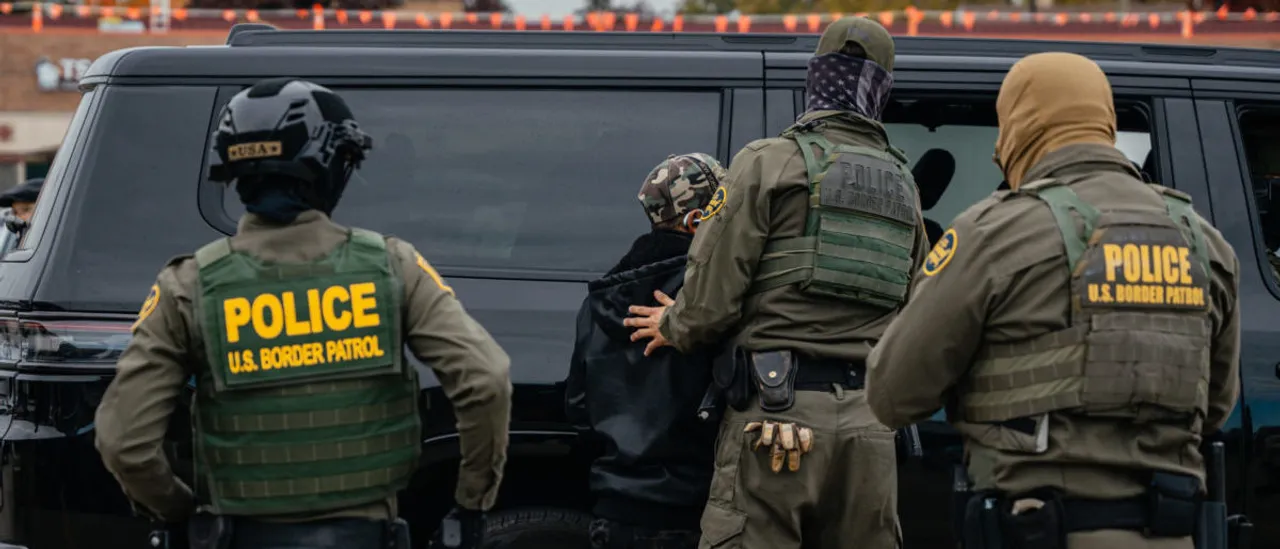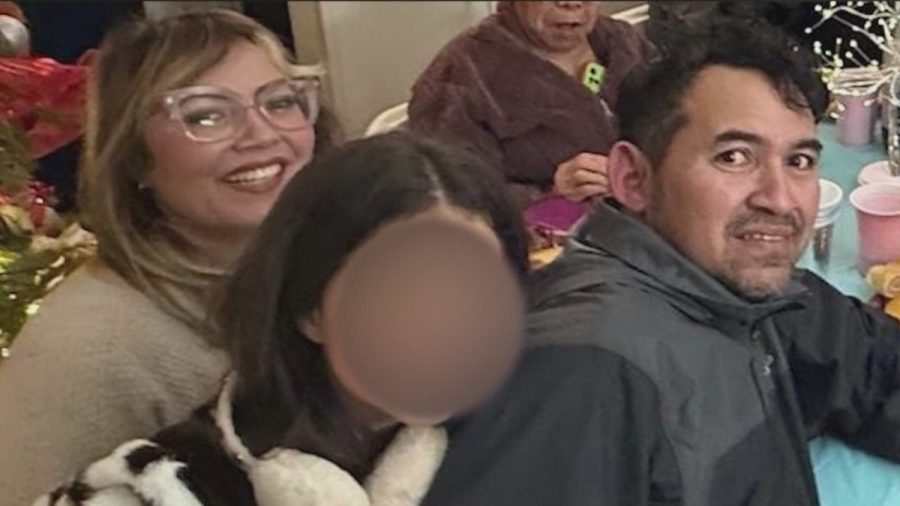
Reports indicate that on March 15, 2024, a family was detained by U.S. Border Patrol while seeking medical care for their 7-year-old child at a hospital in Oregon. The incident highlights ongoing tensions surrounding immigration enforcement and access to healthcare services in the United States.
According to local sources, the family was traveling to the hospital to obtain necessary medical treatment for their child, who required urgent attention. Upon arriving at the facility, they were intercepted by Border Patrol agents, raising concerns about the intersection of health care access and immigration policy.
Impact on Healthcare Access
This incident has sparked a significant discussion regarding the rights of families seeking medical assistance, particularly those who may be undocumented. Advocates argue that detaining individuals in need of urgent health care could deter others from seeking necessary treatment, potentially endangering lives.
Health care professionals and immigration advocates are urging for clearer policies that prioritize health care access over immigration enforcement. They emphasize the necessity of ensuring that all individuals, regardless of immigration status, can seek medical care without fear of repercussions.
Official Responses
The U.S. Customs and Border Protection (CBP) agency has not yet released a detailed statement regarding this specific incident. However, the agency has faced criticism in the past for its practices surrounding detentions, particularly in sensitive environments like hospitals.
As discussions continue, community leaders are advocating for reforms that would provide clear guidelines for law enforcement’s interactions with families seeking medical care. They stress that health care should be a fundamental right, free from the constraints of immigration status.
The family’s experience serves as a reminder of the complex dynamics at play between immigration enforcement and essential health services. As the situation develops, many will be watching closely to see how authorities respond and what changes might be made to ensure the safety and well-being of vulnerable individuals and families in similar situations.