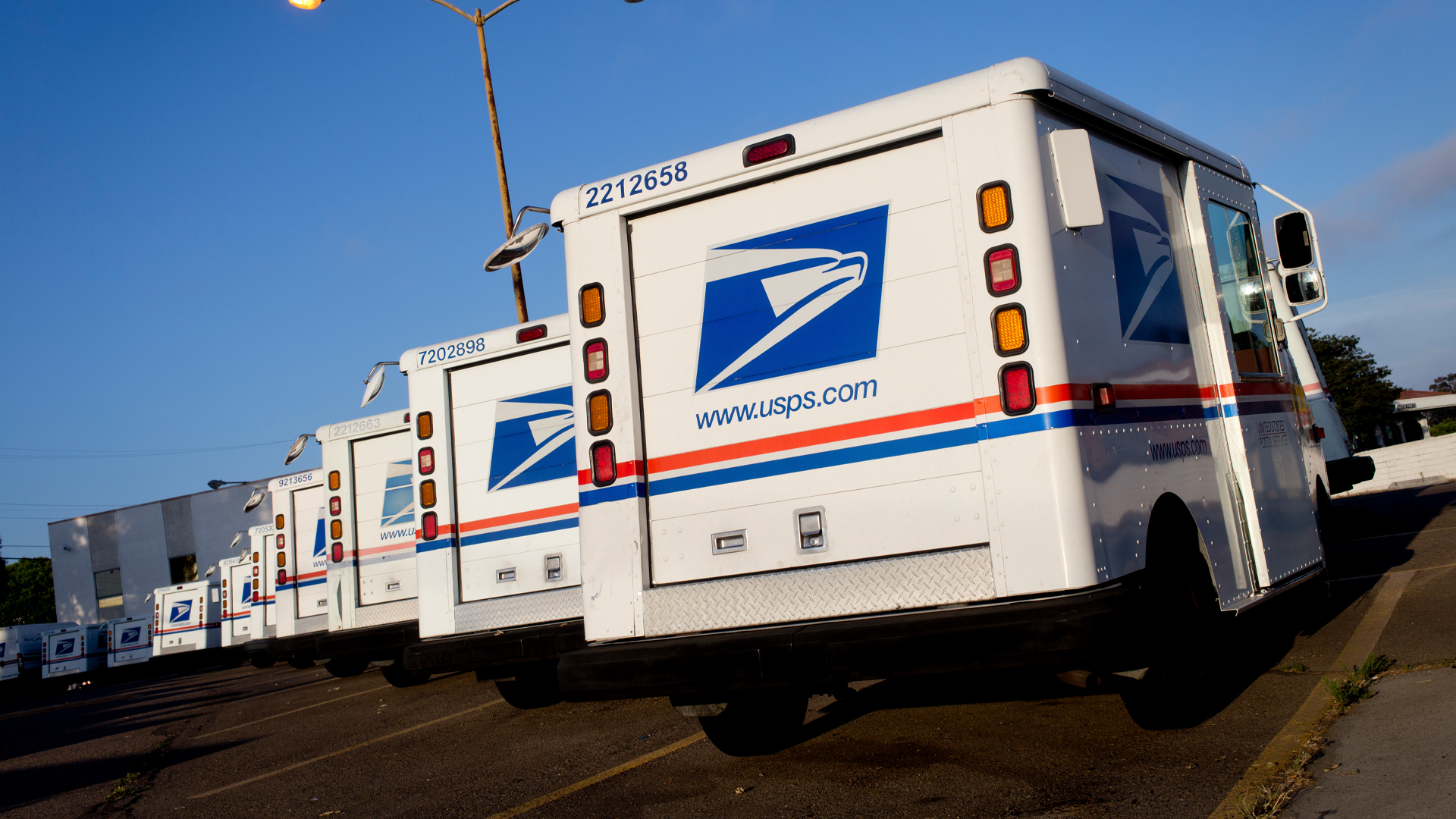
URGENT UPDATE: Amazon is set to sever its long-standing delivery partnership with the US Postal Service (USPS), a move that could significantly impact package deliveries for millions of Americans. The split is anticipated to take effect when the current agreement expires in late 2026, following unresolved negotiations that have raised concerns over delivery reliability.
This dramatic shift signals an impending overhaul in how Americans receive their online orders. For decades, USPS has been a critical “last-mile” carrier for Amazon, particularly in rural and hard-to-reach areas. However, recent reports indicate that contract disputes and USPS pricing changes have prompted Amazon to reevaluate its delivery strategy, moving toward a more self-reliant logistics model.
The implications of this change are profound. USPS reported a staggering $9.0 billion net loss for fiscal year 2025, following a $9.5 billion loss the previous year. As a major source of shipping revenue for USPS—estimated at over $6 billion annually—Amazon’s decision to cut ties could exacerbate the Postal Service’s financial woes.
Amazon is rapidly expanding its own delivery network to enhance control over speed, costs, and customer experience. With a growing fleet of drivers and contractors, especially in urban areas, the company aims to optimize delivery routes. However, rural communities may face the brunt of this transition, as they have historically depended on USPS to bridge gaps in service where private carriers falter.
As Amazon strengthens its logistics capabilities, shoppers in remote areas could experience longer delivery times and potential reliability issues. Meanwhile, urban dwellers might notice Amazon drivers delivering their packages instead of USPS workers, marking a significant shift in the delivery landscape.
The potential job losses tied to this transition are alarming. Analysts warn that up to 100,000 jobs could be affected across postal operations, transportation services, and contract delivery roles linked to Amazon volumes. While not all positions will disappear immediately, a sustained drop in package deliveries could lead to substantial staffing changes in multiple regions.
USPS has relied on the surge in package deliveries to mitigate declining traditional mail volumes. Without Amazon’s business, the agency may be forced to expedite cost-cutting measures, reevaluate delivery routes, and reduce staffing through attrition and restructuring.
In response to these challenges, USPS is actively seeking new business opportunities, including opening its delivery network to competitive bidding from other carriers. Meanwhile, Amazon’s move is part of a broader trend toward vertical integration, as the tech giant builds a delivery system it can control entirely.
Critics warn that this shift could disadvantage smaller retailers unable to match Amazon’s speed and cost-effectiveness, ultimately reshaping the competitive landscape of the U.S. shipping market. As Amazon relies less on USPS and reduces dependence on rivals like UPS and FedEx, the implications for consumers and the broader industry are still unfolding.
In this developing story, the impact on millions of American shoppers remains critical. With the potential for delays and changes in delivery service, many are left wondering how their online shopping experiences will evolve in the coming years. Stay tuned for updates as this situation progresses.