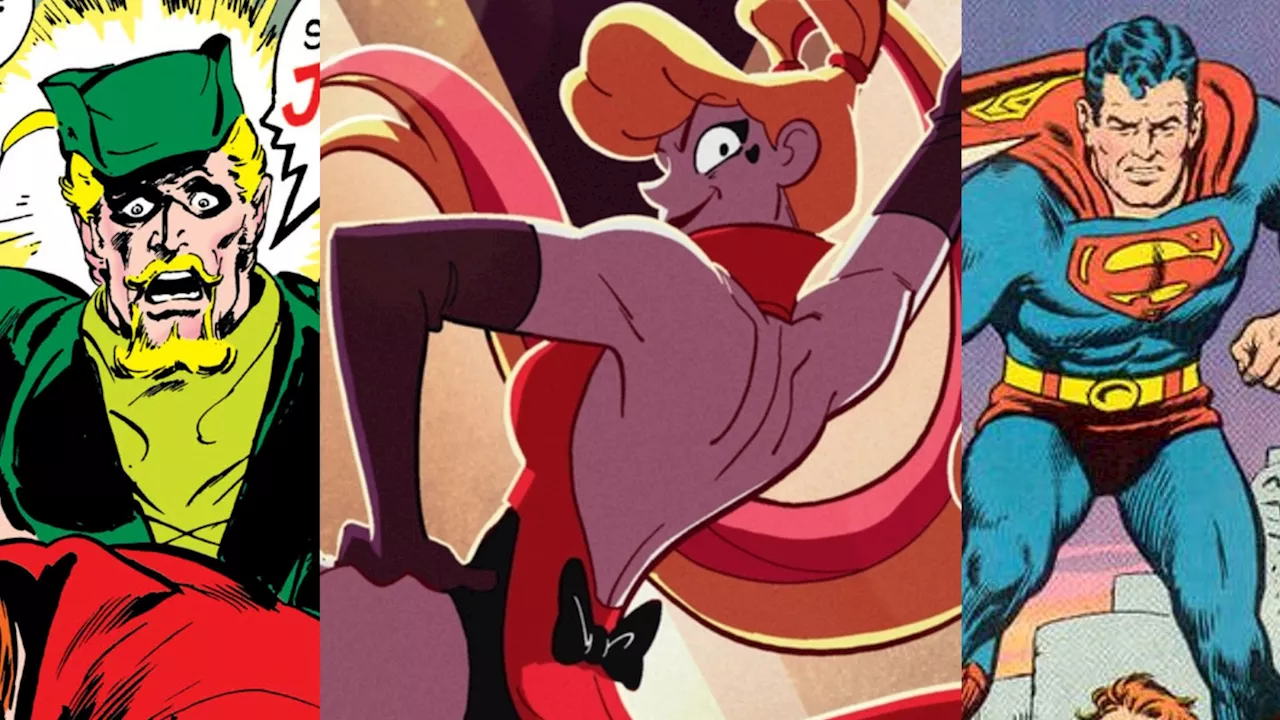
BREAKING: New insights reveal five of the most cringeworthy comic covers from DC Comics that have shocked fans over the decades. While DC is renowned for its iconic artwork, these covers missed the mark spectacularly, showcasing moments that are now viewed as uncomfortable and, in some cases, offensive.
The article highlights covers that span several eras, from the cringe-inducing to the outright disturbing. The examples include a cover featuring Roy Harper grappling with drug addiction, a shocking portrayal that still resonates today. This particular artwork, from the storyline “Hard-Traveling Heroes,” vividly captures the struggles of addiction and the impact it had on young readers when it was first released.
Another standout is the infamous cover of Harley Quinn Fartacular: Silent Butt Deadly #1, which embraces bodily humor in a way that many found unsettling. The cover depicts Harley Quinn clearing a room with a rather explicit theme, complete with a scratch-and-sniff feature that left an indelible mark on its audience. Fans are left wondering how such a concept made it past the pitching process.
But the cringe doesn’t stop there. The cover featuring Egg Fu, a villain steeped in outdated stereotypes, raises serious questions about representation in comics. This artwork places Wonder Woman and Steve Trevor in a compromising position, showcasing a minor villain who embodies disturbing tropes that are now rightly viewed as offensive.
Moreover, the cover of Slam Bradley‘s debut issue features the character Fui Onyui, a villain that perpetuates harmful stereotypes from the “Yellow Peril” era. This cover not only reflects the troubling attitudes of its time but also tarnishes the legacy of a series that helped shape the DC Universe.
Fans are urged to reflect on how these covers not only represent specific moments in comic history but also highlight the evolving standards of representation and sensitivity in the industry.
What will the future hold for DC Comics as they navigate these challenging portrayals? Fans are encouraged to voice their thoughts in the comments and share their opinions on some of the most controversial covers in comic book history. The dialogue around these artworks can lead to a better understanding of how comics can evolve and better represent their diverse audience moving forward.
As the comic book industry continues to grow, the need for thoughtful representation becomes increasingly crucial. Stay tuned for more developments as DC Comics reassesses its storied past and the implications of its cover art.
This is a developing story, and as more voices join the conversation, the impact of these covers will resonate throughout the comic book community. Share your thoughts with us and keep the discussion going!