Volkswagen Group has entered a significant partnership with Qualcomm Technologies, designating the U.S. chip manufacturer as the primary provider for infotainment and connectivity systems in its upcoming software-defined vehicles. This long-term supply agreement, announced at CES 2026, marks a strategic shift for Volkswagen, moving away from in-house technology development and toward reliance on external expertise. Industry analysts view this decision as a crucial move that carries both potential benefits and risks.
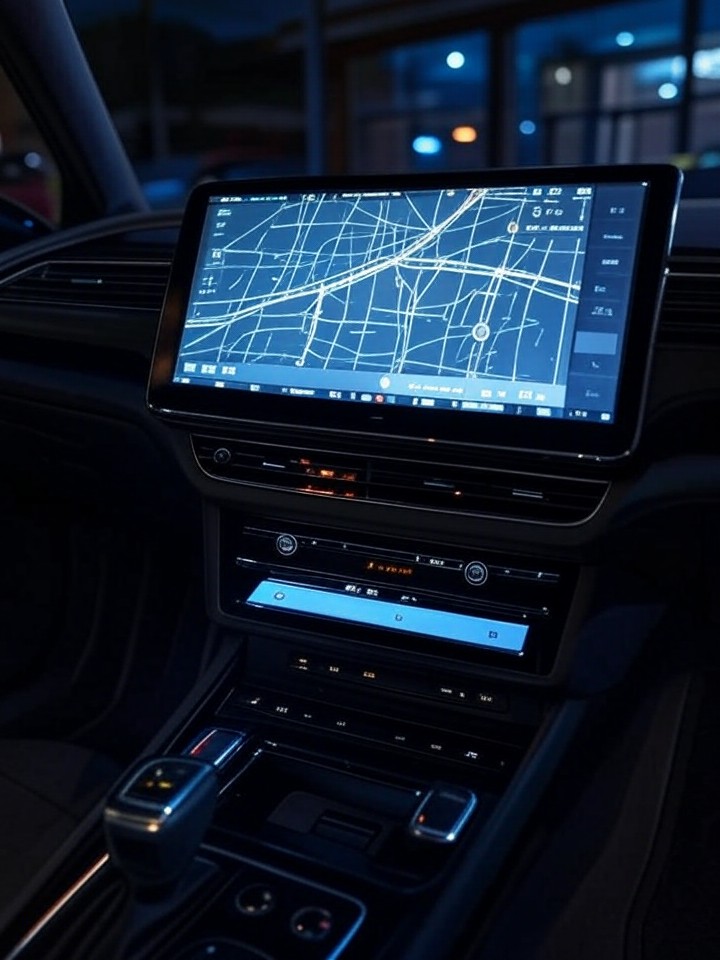
Details of the collaboration reveal that Qualcomm’s Snapdragon Digital Chassis will serve as the foundation for advanced capabilities, including high-performance infotainment, artificial intelligence-driven interfaces, and enhanced connectivity. The partnership also encompasses Volkswagen’s joint venture with Rivian Automotive, focusing on integrating these technologies into a zonal architecture that promotes efficient and scalable vehicle designs. This shift is not merely cosmetic; it represents a fundamental change in how vehicles process data, make decisions, and evolve through over-the-air updates.
Volkswagen’s decision comes at a pivotal moment, as the company has faced persistent software challenges in recent years. Previous ventures, particularly the ambitious Cariad division, encountered delays and exceeded budgets, prompting a reassessment of its internal capabilities. By collaborating with Qualcomm, Volkswagen acknowledges the complexities of chip design and software integration, allowing the automaker to concentrate on its core manufacturing and design strengths.
Strategic Alliances and Technological Foundations
The partnership builds upon a letter of intent signed in January 2026, outlining plans to implement Qualcomm’s system-on-chips across Volkswagen’s various brands, including Audi, Porsche, and Bentley, starting in 2027. Insiders indicate that this initiative will accelerate Volkswagen’s pursuit of Level 4 autonomous driving, leveraging Qualcomm’s expertise in AI and edge computing to enhance features such as voice recognition and predictive maintenance.
Industry comparisons are already emerging, particularly in light of Qualcomm’s ongoing collaboration with Google on automotive AI. This partnership serves as a model for how such integrations can significantly improve user experiences. Volkswagen’s agreement with Qualcomm aims to create immersive, personalized vehicle environments that compete with the luxurious offerings of rivals like Tesla.
While the advantages of this partnership are clear, some automotive analysts express concerns regarding the risks associated with reliance on a single supplier. The global chip shortage in the early 2020s exposed vulnerabilities in supply chains, and Volkswagen’s decision to rely heavily on external technology raises questions about potential dependencies. This trend of traditional automakers outsourcing critical technology to Silicon Valley firms reflects broader industry dynamics, with companies weighing the benefits against possible drawbacks.
Diving deeper into the technological implications, Qualcomm’s Snapdragon Digital Chassis represents more than just a chip; it is an integrated platform that encompasses connectivity, computing, and cockpit solutions. According to Reuters, this system will power Volkswagen’s new software platform, facilitating features such as ultra-high-definition displays, 5G integration, and real-time data analytics. The zonal architecture approach reduces wiring complexity, ultimately enhancing efficiency—a vital factor for electric vehicles concerned with weight and power management.
Additionally, this partnership is connected to Volkswagen’s Automated Driving Alliance with Bosch, which aims to expedite the development of Level 4 autonomous vehicles capable of operating without human intervention in designated environments. Qualcomm’s contributions include advanced sensor fusion and machine learning algorithms, positioning Volkswagen strategically within the competitive landscape of self-driving technology.
Market reactions to the announcement have been generally positive, with financial analysts highlighting the potential for increased stock value for Qualcomm. Following the announcement, Volkswagen’s shares experienced a modest uptick, signaling investor confidence in the automaker’s shift toward software-defined vehicles.
Challenges and Competitive Landscape
Despite the promise of this partnership, challenges remain. Volkswagen’s history with software failures, particularly during the launches of the ID.3 and ID.4 models, serves as a reminder of the potential pitfalls associated with outsourcing technology. While collaborating with Qualcomm may alleviate some issues, integration challenges could still arise, especially in coordinating efforts with Rivian. Experts stress the importance of seamless collaboration to fulfill the expectations surrounding enhanced infotainment and connectivity capabilities.
The competition among automakers is intensifying, with this partnership highlighting contrasting strategies. Tesla’s vertically integrated model, which maintains control over everything from batteries to software, stands in stark contrast to Volkswagen’s decision to outsource critical components. Additionally, competitors like BMW have established their own partnerships with Qualcomm, suggesting a highly competitive environment where execution will be pivotal for differentiation.
The broader industry context underscores the significance of the Volkswagen-Qualcomm alliance, particularly as the automotive landscape shifts toward software-defined vehicles and autonomous driving. Reports indicate that the partnership is poised to deliver AI-powered infotainment systems by 2027, aligning with global trends toward electrification and digital integration in vehicles.
Looking ahead, this partnership could pave the way for innovative applications, enabling vehicles to anticipate driver needs through AI technology. Features such as automatic climate control adjustments and route suggestions based on real-time data may become commonplace, as Qualcomm’s technologies are integrated with Volkswagen’s zonal architecture.
The collaboration also extends into advancements in automated driving, as outlined in plans for Snapdragon-powered platforms in models launching in 2027. These developments promise enhanced safety and efficiency, potentially allowing Volkswagen to close the gap with current leaders in autonomous technology, although regulatory challenges, particularly in Europe, may pose hurdles to swift deployment.
Sentiment across social media platforms reflects a blend of optimism and realism. Enthusiasts and industry insiders are generally supportive of the collaboration, recognizing its potential to introduce state-of-the-art technologies into Volkswagen’s ecosystem. However, there are concerns that this shift signifies a retreat from in-house innovation, echoing past discussions about Volkswagen’s software challenges.
On a global scale, this partnership signifies the growing intersection between the automotive and semiconductor industries. Qualcomm’s expansion into vehicle technology, bolstered by agreements like this, positions it as a central player in the transition toward connected mobility. This collaboration may also influence supply chains and industry standards on an international level.
For Volkswagen, this agreement represents a calculated risk aimed at regaining momentum in both electric and autonomous vehicle segments. Following setbacks such as the Dieselgate scandal and software-related delays, aligning with Qualcomm and Rivian offers a fresh start. Insights gathered from industry analyses emphasize the long-term strategic focus of the partnership, suggesting Volkswagen’s ambition to create vehicles that adapt to user preferences much like modern smartphones.
As the automotive industry observes this evolving landscape, the outcome of Volkswagen’s partnership with Qualcomm could validate outsourcing as a viable strategy for traditional automakers. Conversely, failures in execution might reinforce the value of integrated development approaches. Ultimately, this collaboration illustrates a broader transformation, as vehicles evolve from mere machinery into sophisticated digital platforms, highlighting the essential nature of partnerships in an increasingly technology-driven world.